
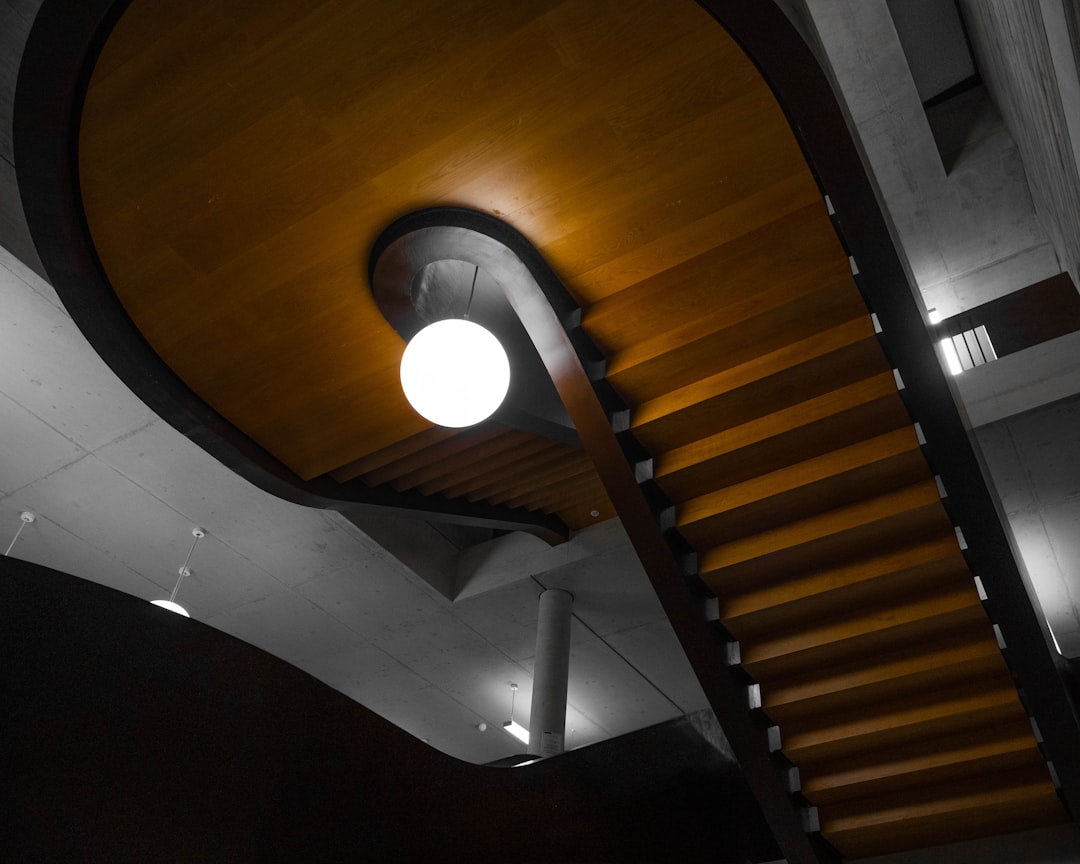
Staircases, by their very nature, are transitional spaces. They connect different levels of a building, facilitating movement and often serving as a central architectural feature. Despite their prominence, the lighting of staircases is often overlooked or relegated to a purely utilitarian function. Traditional lighting solutions, such as overhead fixtures or recessed spotlights, can sometimes create harsh shadows, glare, or uneven illumination. This can compromise both the aesthetic appeal and the safety of the staircase.
Effective staircase lighting is paramount for several reasons. Firstly, it ensures safety by clearly illuminating each step, minimizing the risk of missteps or falls. Secondly, it contributes significantly to the overall ambiance and aesthetic of the interior. A well-lit staircase can transform a utilitarian pathway into a visually engaging architectural element, drawing the eye and adding to the character of a space. Thirdly, thoughtful lighting can highlight architectural details, artwork, or textures present along the staircase, enhancing the perceived value and design intent of the area. This article explores an alternative and often more refined approach to staircase illumination: fabric diffuser wall lighting.
Understanding Fabric Diffuser Wall Lighting
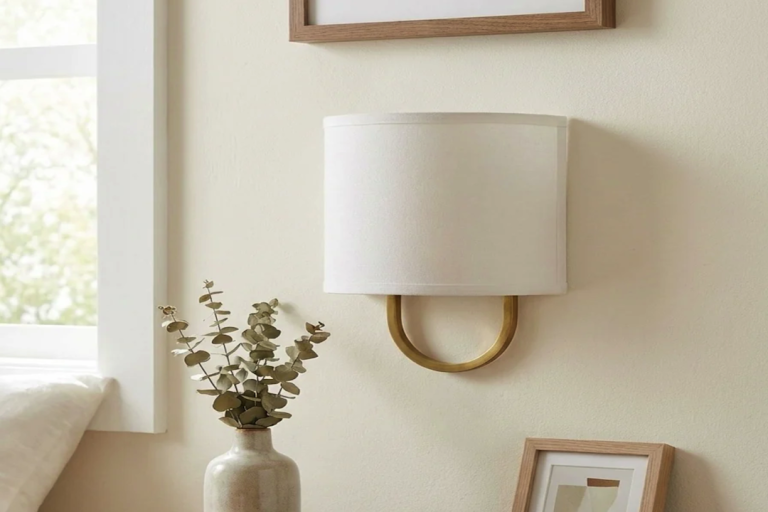
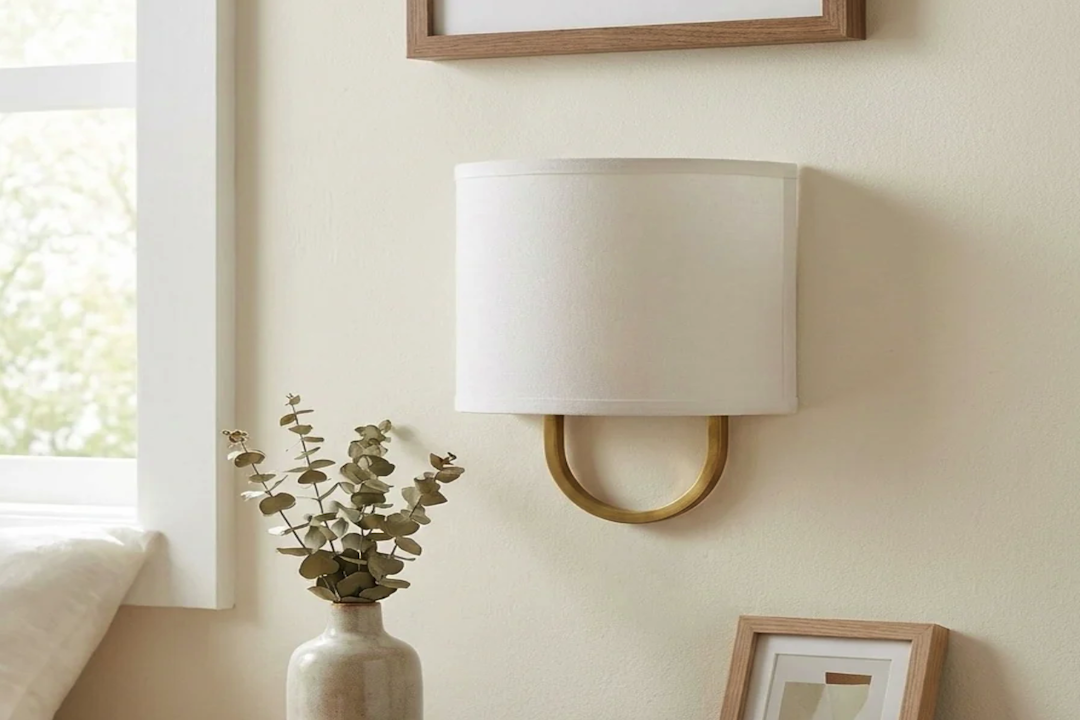
Fabric diffuser wall lighting, in the context of staircase illumination, refers to a category of luminaires mounted on the wall that incorporate a fabric material to soften and distribute light. Unlike traditional wall sconces that might project light directly, or upwards/downwards, these fixtures utilize a fabric screen as a key component to modify the light output.
Components of Fabric Diffuser Lights
At its core, a fabric diffuser light consists of several key elements:
- Light Source: This is typically an LED array or module, chosen for its energy efficiency, longevity, and often, its dimming capabilities. The specific type of LED (e.g., COB, SMD) can vary depending on the desired light output and distribution.
- Frame/Housing: This structural element holds the light source and the fabric diffuser in place. It can be made from various materials such as aluminum, steel, or even certain polymers. The design of the frame can impact how the light is directed and the overall aesthetic of the fixture.
- Fabric Diffuser: This is the defining characteristic of this lighting type. The fabric is specifically chosen for its light transmission and diffusion properties. Materials like linen, polyester, or specialized woven textiles are common. The weave, color, and thickness of the fabric directly influence the quality of the diffused light.
- Mounting Mechanism: This allows the fixture to be securely attached to the wall, often with provisions for concealing wiring.
Principles of Light Diffusion
Light diffusion is a fundamental optical principle at play here. When light passes through a translucent material like fabric, it undergoes scattering. Instead of a focused beam, the light emerges as a softer, more uniform glow. This scattering effect is what eliminates harsh shadows and reduces glare. The fabric acts as a veil, transforming concentrated light into a gentle cascade.
The degree of diffusion depends on several factors: the density of the fabric weave, its color, and its texture. A tightly woven, lighter-colored fabric will typically offer more diffusion than a loosely woven, darker one. The goal is to achieve a balance: enough diffusion to eliminate harshness without significantly reducing the overall light output to an ineffective level.
Advantages Over Traditional Lighting
Compared to traditional staircase lighting methods, fabric diffuser wall lighting offers distinct advantages:
- Soft, Even Illumination: The primary benefit is the creation of a gentle, uniform wash of light across the staircase. This eliminates the stark contrasts and deep shadows often associated with direct overhead or accent lighting. Imagine the difference between a spotlight and a luminous cloud – the latter is the essence of diffused light.
- Reduced Glare: Direct light sources can cause uncomfortable glare, especially when viewed from specific angles or in polished surfaces. The fabric diffuser effectively mitigates this by spreading the light source over a larger area, making it less intense to the eye.
- Enhanced Safety: By providing consistent light across steps and risers, these fixtures reduce visual “traps” where shadows might obscure a step’s edge. This clear delineation of the walking surface significantly improves safety for users, particularly in low-light conditions or for individuals with visual impairments.
- Architectural Integration: The diffuse nature of the light allows the fixture itself to become less of an intrusive element and more of an integrated part of the wall. When unlit, the fabric can blend seamlessly with the wall finish, acting as a subtle textural accent.
- Aesthetic Versatility: Fabric diffusers offer a wide range of aesthetic possibilities. The choice of fabric texture, color, and fixture design allows for integration into diverse interior styles, from minimalist contemporary to classic and traditional.
Design Considerations for Staircase Integration
Integrating fabric diffuser wall lighting into a staircase design requires careful planning. The goal is to achieve both functional illumination and harmonious aesthetics.
Placement Strategies
The placement of these fixtures is crucial for optimal performance and visual effect.
- Height and Spacing: Typically, these fixtures are mounted at eye level or slightly below, often around 45-60 inches (114-152 cm) from the floor of the landing or the nose of the step. This height prevents direct glare into the eyes while ensuring light reaches the steps effectively. The spacing between individual fixtures along the staircase depends on the light output of each fixture and the desired uniformity. A general guideline is to space them so that their illuminated fields subtly overlap, avoiding dark spots.
- Alternating vs. Consecutive: For staircases with multiple turns or longer runs, staggering fixtures on alternating sides of the wall can create a dynamic and balanced light pattern. For straight runs, consecutive placement on one side or both sides can be effective, depending on the staircase width and desired light intensity.
- Recessed vs. Surface Mount: Fabric diffusers can be either surface-mounted (where the fixture protrudes from the wall) or recessed (where the fixture is largely flush with the wall, with only the fabric surface visible). Recessed options offer a more minimalist and integrated look, while surface-mounted designs can provide a more pronounced architectural statement.
Light Temperature and Color Rendering
The quality of light emitted by the fixtures significantly impacts the perceived atmosphere and the accurate rendering of colors.
- Color Temperature (CCT): Measured in Kelvin (K), CCT describes the “warmth” or “coolness” of the light.
- Warm White (2700K-3000K): Creates a cozy, inviting atmosphere, often preferred in residential settings. It can enhance wood tones and warm color palettes.
- Neutral White (3500K-4000K): Offers a balanced, clear light, suitable for most applications where a natural feel is desired without being overly yellow or blue.
- Cool White (4500K-5000K+): Provides a crisp, bright light, sometimes used in modern or commercial spaces, but can feel stark in residential contexts.
- Color Rendering Index (CRI): CRI measures how accurately a light source renders colors compared to natural daylight. A high CRI (90+) is desirable for staircases, especially if there is artwork, specific wall finishes, or architectural details to be displayed. A low CRI (below 80) can make colors appear muted or distorted.
Material Selection for Diffuser
The choice of fabric is not merely aesthetic; it has functional implications.
- Texture: The texture of the fabric diffuser influences the visual presence of the fixture and how it interacts with ambient light when off. Smooth, tightly woven fabrics offer a sleek, modern look, while textured or coarse weaves can add depth and warmth.
- Translucency: This dictates how much light passes through the fabric. A more translucent fabric will allow more light to pass, while a denser one will create a softer, more subdued glow.
- Durability and Maintenance: In a high-traffic area like a staircase, the fabric should be durable and easy to clean. Some fabrics are treated to be stain-resistant or dust-repellent. Consider fabrics that can be easily wiped down or are resistant to fading from UV exposure if the staircase receives natural light.
Safety and Practical Considerations
Beyond aesthetics, safety and practical aspects are paramount when designing staircase lighting.
Code Compliance and Electrical Safety
Adherence to local building codes and electrical standards is non-negotiable.
- Wiring and Installation: All electrical work should be performed by qualified professionals. Ensure proper grounding and insulation. The wiring needs to be concealed and protected from damage.
- Fixture Ratings: Confirm that the chosen fixtures are rated for the intended environment (e.g., dry location, damp location).
- Emergency Lighting: In some commercial or multi-story residential buildings, emergency lighting provisions are required to illuminate the staircase during power outages. Fabric diffuser lights may not always serve as emergency lighting unless specifically designed with integrated battery backup.
Dimming Capabilities and Controls
The ability to control light levels adds significant functionality and flexibility.
- Dimmer Types: Ensure that the chosen LED drivers and fixtures are compatible with the dimmer switch. Common dimmer types include leading-edge (triac), trailing-edge, 0-10V, and DALI. Using an incompatible dimmer can lead to flickering, buzzing, or premature LED failure.
- Placement of Controls: Dimmer switches and controls should be conveniently located at both the top and bottom of the staircase, allowing users to adjust lighting as they ascend or descend. Smart home integration can offer additional control options via apps or voice commands.
- Scene Setting: Dimming allows for the creation of different lighting “scenes” – a brighter setting for clear navigation during the day, and a softer, warmer glow for evening ambiance.
Energy Efficiency and Longevity
Long-term cost and environmental impact are important considerations.
- LED Technology: Fabric diffuser fixtures invariably use LED light sources due to their superior energy efficiency and extended lifespan compared to incandescent or fluorescent bulbs. This translates to lower electricity bills and less frequent bulb replacement.
- Lifespan: LEDs typically have lifespans exceeding 25,000 to 50,000 hours, significantly reducing maintenance requirements in hard-to-reach staircase locations.
- Maintenance: Consider how easily the fabric diffuser can be cleaned or replaced if stained or damaged. Some designs allow for component modularity, which simplifies maintenance.
Installation and Maintenance
Proper installation and ongoing maintenance are crucial for the long-term performance and appearance of fabric diffuser wall lighting.
Pre-installation Planning
Thorough planning is the cornerstone of a successful installation.
- Wall Preparation: Ensure the wall surface is clean, smooth, and structurally sound to support the fixtures. Address any inconsistencies or required reinforcements.
- Cable Routing: Plan the exact pathways for electrical wiring to ensure it is hidden and compliant with codes. This might involve chasing channels into the wall or utilizing existing conduits.
- Tool and Material Check: Gather all necessary tools (drills, levels, screwdrivers, wire strippers, etc.) and materials (screws, anchors, connectors) before starting.
Installation Steps
While specific steps vary by fixture, a general sequence includes:
- Marking Placement: Precisely mark the mounting points for each fixture on the wall according to the design plan. Use a level to ensure perfect horizontal and vertical alignment.
- Drilling: Carefully drill pilot holes for screws or anchors at the marked locations.
- Wiring: Connect the electrical wiring to the fixture’s internal terminals, ensuring correct polarity (live, neutral, ground) and secure connections. This step should only be performed by a qualified electrician.
- Mounting the Frame: Securely attach the fixture’s frame or backplate to the wall using appropriate fasteners.
- Attaching the Diffuser: Carefully position and attach the fabric diffuser element according to the manufacturer’s instructions. This might involve clips, magnetic fasteners, or a tension system.
- Testing: Once all fixtures are installed, test the lighting to ensure all components are functioning correctly and that dimming controls operate as expected.
Routine Maintenance
Regular, albeit minimal, maintenance helps preserve the aesthetic and functional integrity of the lighting.
- Dusting: The fabric diffuser can accumulate dust. Gently dust the surface with a soft, dry cloth or a feather duster regularly. For more stubborn dust, a vacuum cleaner with a brush attachment can be used on a low setting.
- Cleaning: For stains or marks, consult the manufacturer’s cleaning instructions for the specific fabric. Some fabrics might allow for spot cleaning with a damp cloth and mild detergent, while others may require specialized cleaners or professional cleaning. Avoid harsh chemicals that could damage the fabric or its fire-retardant properties.
- Inspection: Periodically inspect the fixtures for any loose connections, worn wiring, or damage to the fabric. Early detection can prevent larger issues.
- LED Replacement: While LEDs have long lifespans, individual diodes can occasionally fail. If a fixture is designed with replaceable LED modules, follow the manufacturer’s instructions for replacement. In many integrated designs, the entire fixture may need replacement if the LEDs fail.
Case Studies and Applications
Fabric diffuser wall lighting is incredibly versatile and finds application in a wide array of settings. Examining specific examples helps illustrate its potential.
Residential Settings
In homes, these lights can transform a mundane staircase into a captivating architectural feature.
- Modern Minimalist Home: Imagine a stark, concrete staircase in a minimalist residence. Recessed fabric diffuser lights, flush with the wall and featuring a crisp white linen fabric, provide a seamless ribbon of light that emphasizes the clean lines of the design without adding visual clutter. The diffused light gently washes the concrete, highlighting its texture without creating harsh reflections.
- Traditional Townhouse: In a classic townhouse with dark wood balustrades and rich wall colors, surface-mounted fabric diffusers with a warm-toned fabric (e.g., beige or ecru linen) complement the existing aesthetic. Placed intermittently along the staircase, they create inviting pools of light, enhancing the sense of warmth and understated luxury. The fabric, when unlit, acts as a subtle art piece, drawing the eye.
- Open-Plan Loft: For a contemporary loft with an open-riser staircase, slim, linear fabric diffuser fixtures installed beneath the handrail or along the wall can provide discrete and uniform illumination. The soft light helps delineate the edges of the open treads, enhancing safety while maintaining the airy aesthetic of the space.
Commercial and Hospitality Environments
In public spaces, the durability and aesthetic versatility of fabric diffusers are highly valued.
- Boutique Hotel Lobby: Picture a grand staircase in a boutique hotel, designed as a central focal point. Large, bespoke fabric diffuser panels, integrated into the architecture of the staircase wall, provide a dramatic yet soft illumination. The fabric could feature a subtle pattern or texture, adding to the hotel’s branding and creating an elegant, welcoming ascent for guests. The higher CRI ensures that the stone, art, or decorative elements along the staircase are presented in their true colors.
- Office Building Atrium Staircase: In a corporate environment, where a sense of professionalism and clarity is paramount, fabric diffuser lighting on the main atrium staircase can contribute to a bright, yet comfortable atmosphere. Using a neutral white light (4000K) and durable, easy-to-clean fabrics, these fixtures can guide employees and visitors efficiently while maintaining a sophisticated aesthetic. If the staircase is exposed to natural light, UV-resistant fabrics would be a key consideration to prevent fading.
- Art Gallery Stairwell: For a gallery setting, critical lighting is essential. Fabric diffuser fixtures can provide a base layer of soft ambient light, preventing stark contrasts. Specialized fixtures might even allow for interchangeable fabric panels to match changing exhibitions or to adjust the light output and color, ensuring a pristine viewing experience for any artwork displayed along the stairwell.
These examples illustrate that fabric diffuser wall lighting is not a one-size-fits-all solution but a adaptable tool, capable of meeting diverse design and functional requirements across various architectural contexts. The ability to customize fabric types, fixture designs, and light characteristics makes it a powerful option for enhancing any staircase.



+ There are no comments
Add yours