
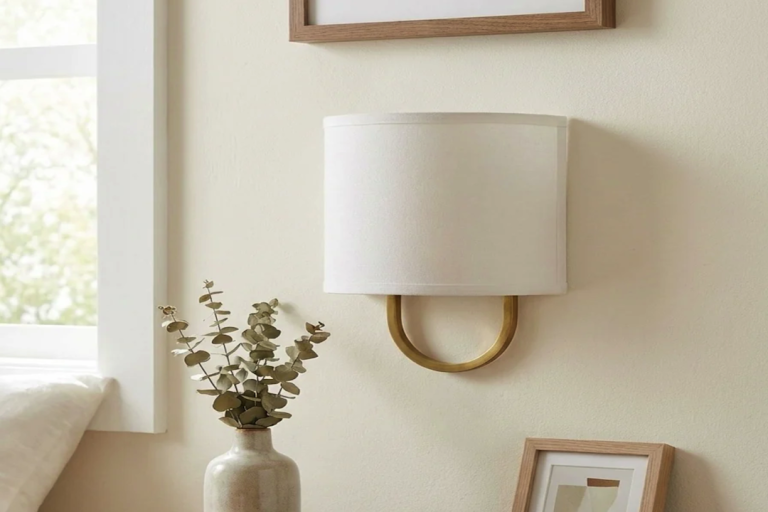
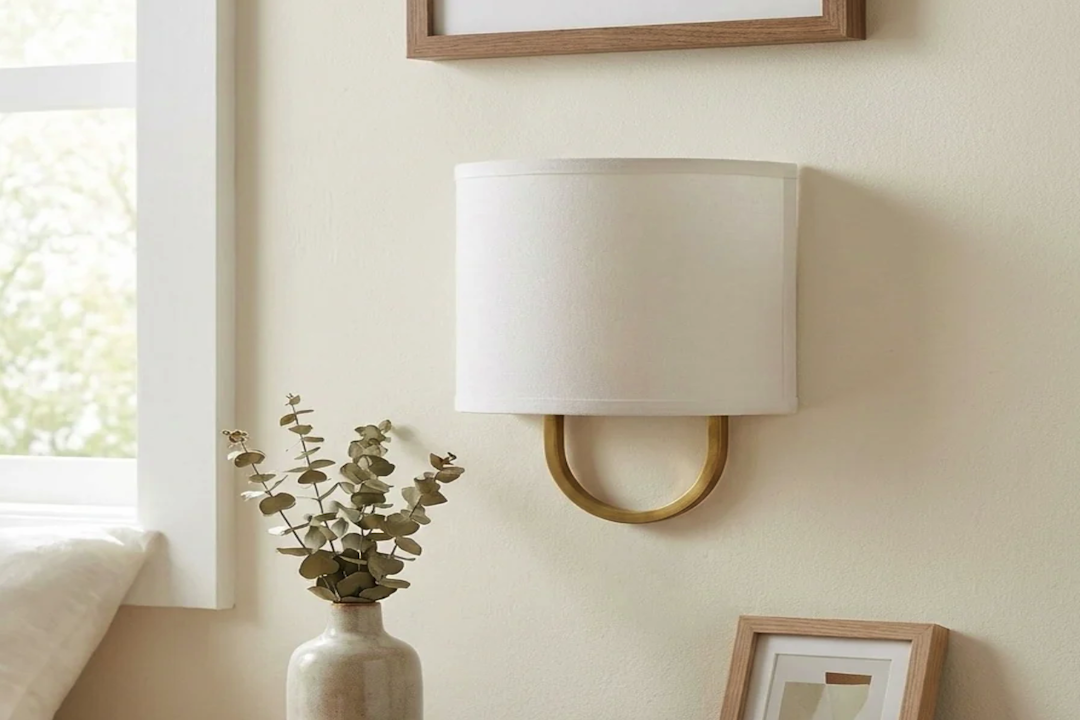
A library wall lamp, often referred to as a picture light or task light, serves a specific functional and aesthetic role in a reading environment. Its design typically prioritizes focused illumination over broad ambient lighting, making it suitable for enhancing the readability of materials and highlighting decorative elements. This article examines the characteristics, historical context, and practical considerations associated with incorporating such a fixture into a cozy reading room.
The concept of directed illumination for reading predates modern electricity. Early methods involved candles, oil lamps, and gaslight fixtures strategically placed to provide light on manuscripts or books. The development of electric lighting in the late 19th and early 20th centuries revolutionized interior illumination, leading to specialized fixtures for various tasks.
Emergence of Task Lighting
As electric lighting became more prevalent, designers recognized the need for targeted illumination beyond general room lighting. Task lighting, including early forms of desk lamps and wall-mounted fixtures, began to appear. These designs aimed to minimize glare and maximize light on the work surface.
Influence of Library Architecture
Large private and public libraries, often characterized by high ceilings and extensive shelving, significantly influenced early lighting design. Elaborate chandeliers provided general light, but smaller, more focused lamps were required for individual study areas. Wall-mounted fixtures offered an effective solution, conserving table space and directing light horizontally.
Design and Construction
A library wall lamp typically consists of several key components: a mounting bracket, an arm, a shade, and a light source. Each element contributes to the lamp’s overall functionality and visual appeal.
Mounting Mechanisms
Mounting brackets are designed for secure attachment to a wall. Common variations include:
- Fixed Brackets: These offer a permanent installation, providing stability and a clean aesthetic.
- Adjustable Brackets: Some designs incorporate swiveling or articulating joints, allowing for minor adjustments in the lamp’s position. This adaptability can be beneficial for fine-tuning light direction.
Arm and Reach
The arm extends from the mounting bracket, positioning the light source over the desired area. Arm lengths vary, from short, compact designs to longer, articulated arms that offer greater reach. The material of the arm often complements the overall finish of the lamp, with brass, bronze, and steel being common choices.
Shade Design and Light Distribution
The shade is crucial for directing and shaping the light. Common shade configurations include:
- Trough Shades: These longitudinal shades enclose the light source, casting a beam of light downward and horizontally. They are particularly effective for illuminating a broad, flat surface, such as a bookshelf or a large piece of art.
- Cone Shades: Smaller, conical shades provide a more concentrated beam of light, suitable for highlighting a specific object or a smaller reading area.
- Adjustable Shades: Some lamps feature shades that can be tilted or swiveled, offering further control over light direction.
Light Source and Technology
Modern library wall lamps utilize various light sources, each with distinct characteristics:
- Incandescent Bulbs: While less energy-efficient, incandescent bulbs produce a warm, yellowish light that some find appealing for reading. Their prevalence has decreased due to energy regulations.
- Halogen Bulbs: Halogen bulbs offer a brighter, whiter light than incandescents and are more energy-efficient. They typically have a longer lifespan.
- LEDs (Light-Emitting Diodes): LEDs are highly energy-efficient and long-lasting, producing minimal heat. They offer a range of color temperatures, allowing users to select between warm white, cool white, or daylight-simulating light. Many modern LED fixtures incorporate dimming capabilities.
Functional Considerations
The primary function of a library wall lamp is to provide adequate illumination for reading without causing eye strain. Several factors influence its effectiveness.
Illuminance and Lux Levels
Illuminance, measured in lux, refers to the amount of light falling on a surface. For comfortable reading, illuminance levels typically range from 300 to 500 lux. A library wall lamp should be positioned and chosen to achieve these levels on the reading material.
Color Temperature (CCT)
Color temperature, measured in Kelvin (K), describes the perceived warmth or coolness of light.
- Warm White (2700K-3300K): This light has a yellowish hue, often associated with a cozy and relaxing atmosphere. Some readers find it less jarring on the eyes.
- Neutral White (3500K-4500K): This offers a balanced light, suitable for general tasks.
- Cool White/Daylight (5000K-6500K): This light mimics natural daylight, enhancing contrast and clarity, which can be beneficial for detailed reading.
The choice of color temperature is subjective and depends on individual preference and the desired ambiance of the reading room.
Glare Reduction
Glare, whether direct or reflected, can significantly impair reading comfort. A well-designed library wall lamp will incorporate features to minimize glare:
- Opaque Shades: Shades that block direct view of the bulb prevent direct glare.
- Diffusers: Some shades incorporate diffusing materials to soften and spread the light, reducing harsh shadows and reflections.
- Strategic Placement: Positioning the lamp to direct light onto the reading surface from an angle that avoids direct reflection into the reader’s eyes is crucial. For instance, placing the lamp slightly above and to the side of the reading area can be more effective than placing it directly above.
Beam Angle
The beam angle refers to the spread of light emitted by the lamp. A narrow beam angle focuses light more intensely on a smaller area, while a wider beam angle provides broader coverage. For reading, a moderate to wide beam angle is often preferred to illuminate a typical book page.
Aesthetic Integration
Beyond its functional role, a library wall lamp contributes to the overall aesthetic of a reading room. Its design can complement or contrast with existing decor, influencing the perceived “coziness” of the space.
Material Selection
The materials used in the lamp’s construction play a significant role in its visual appeal. Common choices include:
- Brass: Offers a classic, often antique, look, developing a patina over time.
- Bronze: Similar to brass, bronze provides a rich, warm tone.
- Steel (Brushed, Polished, or Powder-Coated): Steel offers a more contemporary or industrial aesthetic, depending on its finish.
- Wood Accents: Some lamps incorporate wood elements, adding warmth and natural texture.
- Glass: Glass shades, typically frosted or opal, diffuse light and can add a delicate touch.
Finish and Patina
The finish of the lamp’s metal components significantly impacts its visual character.
- Polished Finishes: Polished brass or chrome offers a reflective, often more formal appearance.
- Brushed Finishes: Brushed nickel or steel provides a matte, understated look.
- Antique Finishes: Distressed or intentionally aged finishes, such as oil-rubbed bronze or antique brass, can create a sense of history and warmth.
Style and Period Appropriateness
When selecting a library wall lamp, consider its stylistic compatibility with the reading room’s overall decor.
- Traditional/Victorian: Lamps with ornate detailing, antique finishes, and classic shade shapes (e.g., green glass bankers’ lamp style) are often suitable.
- Arts and Crafts/Mission: Characterized by simpler lines, natural materials, and geometric forms.
- Mid-Century Modern: Features clean lines, organic shapes, and often a mix of materials.
- Contemporary: Embraces minimalistic designs, innovative materials, and often integrated LED technology.
A lamp that harmonizes with the surrounding furniture, textiles, and artwork will contribute to a cohesive and inviting atmosphere. Conversely, a carefully chosen contrasting lamp can act as a subtle focal point, provided the contrast is intentional and well-executed.
Strategic Placement and Installation
The placement of a library wall lamp is critical for its efficacy. Incorrect positioning can lead to uneven illumination, glare, or an unappealing aesthetic.
Height and Distance
The ideal height for mounting a library wall lamp depends on the height of the reader, the type of seating, and the size of the reading material. As a general guideline, the bottom edge of the lamp’s shade should be positioned at eye level or slightly above when seated, typically around 40-50 inches (100-125 cm) from the floor. This minimizes direct glare into the eyes.
The distance from the wall should allow the light to spread adequately across the reading surface without casting distracting shadows or creating hotspots. A projection of 8-12 inches (20-30 cm) from the wall is often effective.
Complementary Lighting
A library wall lamp typically functions as task lighting. It should be used in conjunction with other forms of lighting to create a balanced illumination scheme within the reading room.
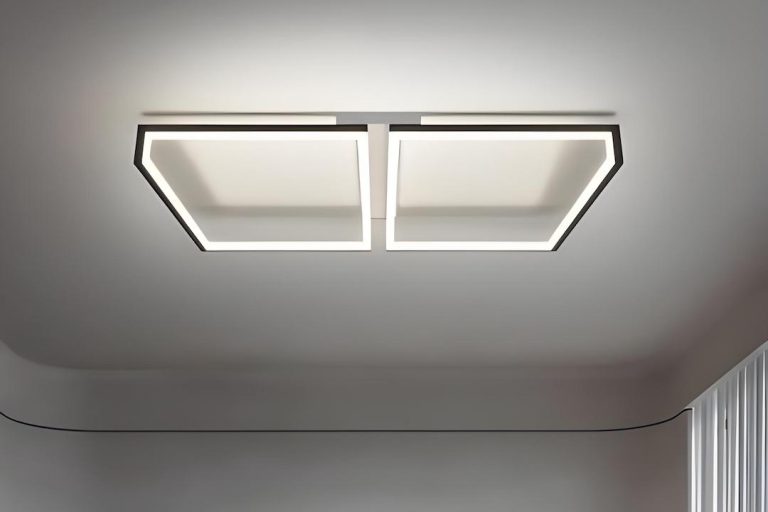
- Ambient Lighting: General overhead lighting (e.g., flush mounts, recessed lighting, or a central pendant) provides overall brightness.
- Accent Lighting: Smaller lights directed at architectural features, artwork, or bookshelves can add depth and visual interest.
- Other Task Lighting: A floor lamp or a small table lamp near a comfortable chair can supplement the wall lamp if specific areas require additional illumination.
Layering different types of lighting allows for flexibility and control over the room’s ambiance, enabling adjustment from bright task-oriented conditions to softer, more relaxed settings.
Wiring and Installation
Installation considerations include:
- Hardwired vs. Plug-In: Hardwired lamps require an electrical connection within the wall, often necessitating professional installation. Plug-in models offer easier installation but may require aesthetically concealing the power cord.
- Switching Options: Wall lamps can be controlled by a wall switch, an in-line cord switch, or a switch integrated into the lamp fixture itself. Dimmer switches are recommended for adjusting light intensity.
- Safety: Ensure all electrical installations adhere to local building codes and safety regulations.
Maintenance and Longevity
Regular maintenance contributes to the longevity and performance of a library wall lamp.
Cleaning
Dust and debris can accumulate on shades and bulbs, reducing light output. Regular dusting with a soft cloth is recommended. For metal finishes, follow manufacturer guidelines; abrasive cleansers can damage finishes. Glass shades can be cleaned with a glass cleaner.
Bulb Replacement
Replace bulbs as they dim or fail. When replacing, ensure the new bulb’s wattage and type (e.g., LED, halogen) are compatible with the fixture’s specifications.
Inspection
Periodically inspect wiring and connections for any signs of wear or damage. Loose connections or frayed wires should be addressed promptly by a qualified electrician.
In conclusion, a library wall lamp is a specialized lighting fixture that provides focused illumination for reading and enhances the character of a reading room. Its effectiveness hinges on careful consideration of its design, functional attributes like illuminance and glare control, and its aesthetic integration within the broader interior scheme. When chosen and positioned thoughtfully, it transforms a reading corner into a beacon of focus – a quiet portal into other worlds, illuminated with precision and grace.



+ There are no comments
Add yours