
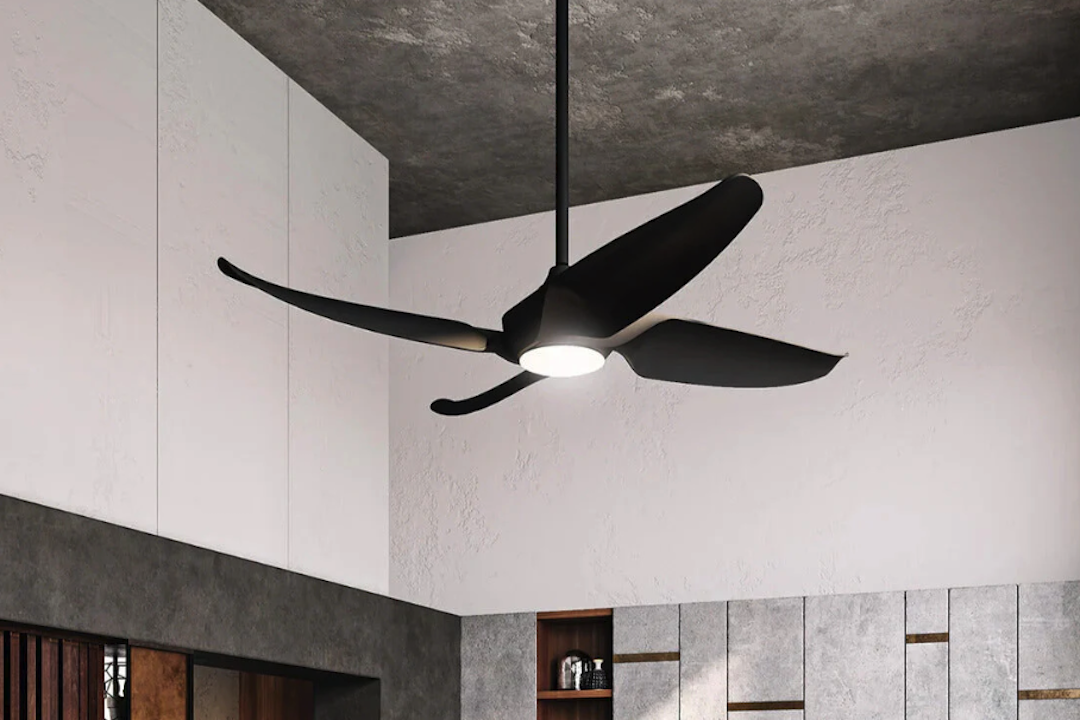
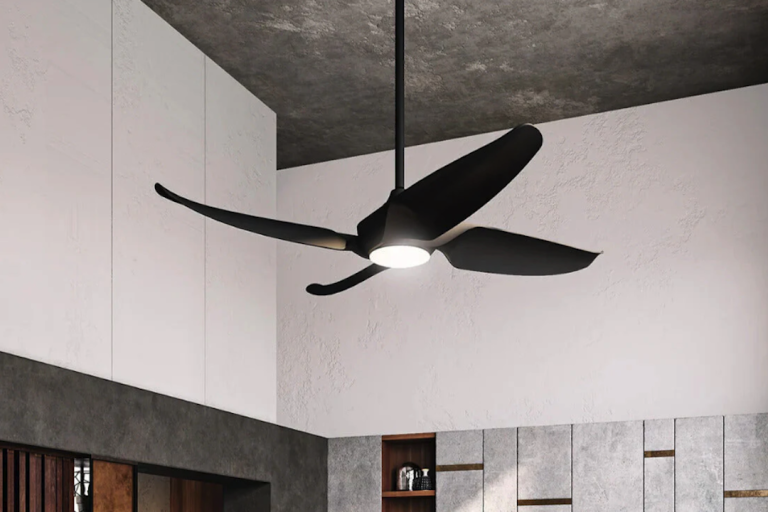
A ceiling fan LED combo integrates a ceiling fan with light-emitting diode (LED) lighting, offering a dual-function fixture for atmospheric control and illumination. This combination unit typically replaces a standard light fixture or a standalone ceiling fan, consolidating two essential room elements into one device. The design aims to optimize space utilization and energy efficiency, providing both air circulation and adjustable lighting from a single ceiling mount.
The primary function of a ceiling fan LED combo Mssloan is the simultaneous provision of air movement and light. This integration streamlines installation and simplifies the aesthetic coordination within a room.
Fan Mechanics
Ceiling fans operate through an electric motor that rotates a set of blades, creating airflow. The direction of this airflow can be altered to suit seasonal needs.
- Downdraft (Summer Mode): Blades rotate counter-clockwise, pushing air downwards to create a cooling effect through convection. This creates a wind chill effect on occupants, enabling higher thermostat settings and potentially reducing air conditioning energy consumption.
- Updraft (Winter Mode): Blades rotate clockwise at a lower speed, drawing cool air upwards and pushing warm air, which naturally rises, down the walls. This process helps to redistribute heat within a room, preventing stratification and potentially reducing heating energy consumption.
The efficiency of a fan is measured in cubic feet per minute per watt (CFM/W), indicating the volume of air moved per unit of energy consumed. Factors such as blade pitch, blade material, and motor design influence this metric.
LED Lighting Technology
LEDs (Light-Emitting Diodes) are semiconductor devices that emit light when an electric current passes through them. Compared to incandescent or fluorescent lighting, LEDs offer several significant advantages.
- Energy Efficiency: LEDs consume substantially less electricity to produce the same amount of light (lumens) as traditional bulbs. This results in lower operating costs and reduced carbon emissions.
- Longevity: LED bulbs have a significantly longer operational lifespan, often tens of thousands of hours, compared to hundreds or thousands for incandescent bulbs. This reduces the frequency of bulb replacement and associated maintenance.
- Durability: Being solid-state devices without filaments, LEDs are more resistant to vibration and impact.
- Dimming Capabilities: Many LED systems are compatible with dimmers, allowing for light intensity adjustment and mood creation.
- Color Temperature (CCT): LEDs are available in a range of color temperatures, measured in Kelvin (K), from warm white (2700K-3000K) to cool white (4000K-5000K) and daylight (5000K-6500K). This allows users to select lighting appropriate for various activities or times of day.
- Color Rendering Index (CRI): CRI measures how accurately a light source renders colors compared to natural light. A higher CRI (typically 80 or above) is generally preferred for environments where accurate color perception is important.
Design and Aesthetics
The design of a ceiling fan LED combo is multifaceted, encompassing both functional and visual elements. These units are available in a wide array of styles, materials, and finishes to complement diverse interior design schemes.
Style Variations
Manufacturers produce ceiling fan LED combos in categories spanning various architectural and decorative styles.
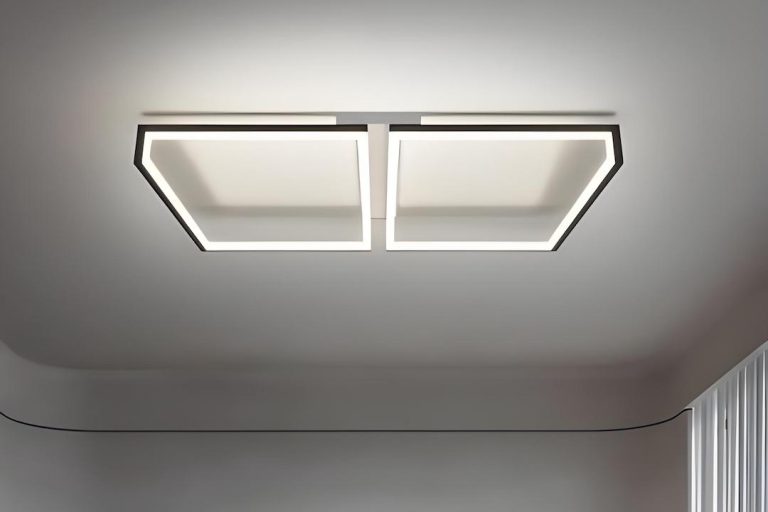
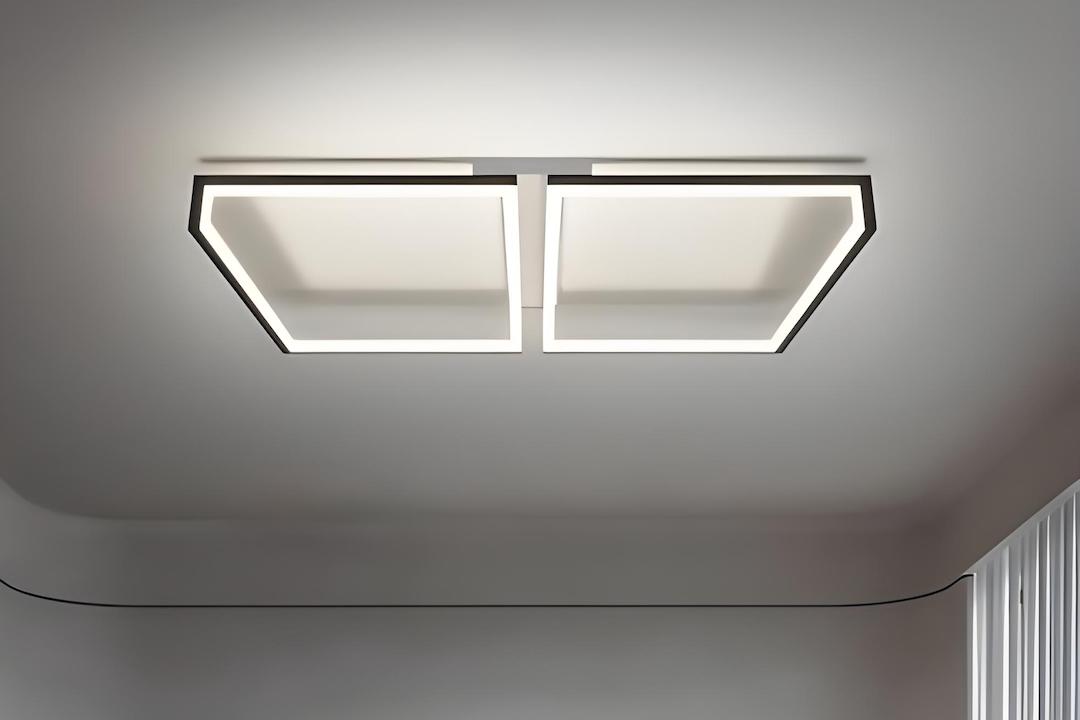
- Modern and Contemporary: Characterized by sleek lines, minimalist designs, and often metallic finishes. Blades may be integrated into a compact housing, and light often features a flush mount or integrated LED panel.
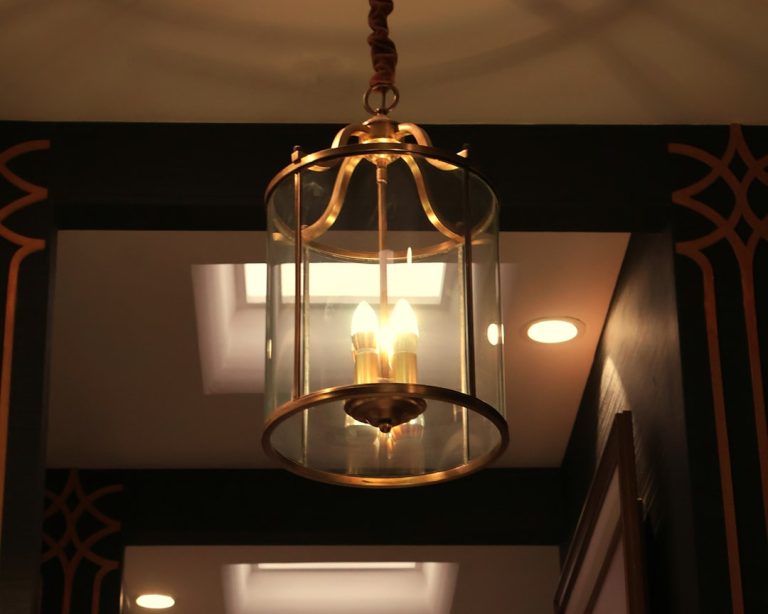
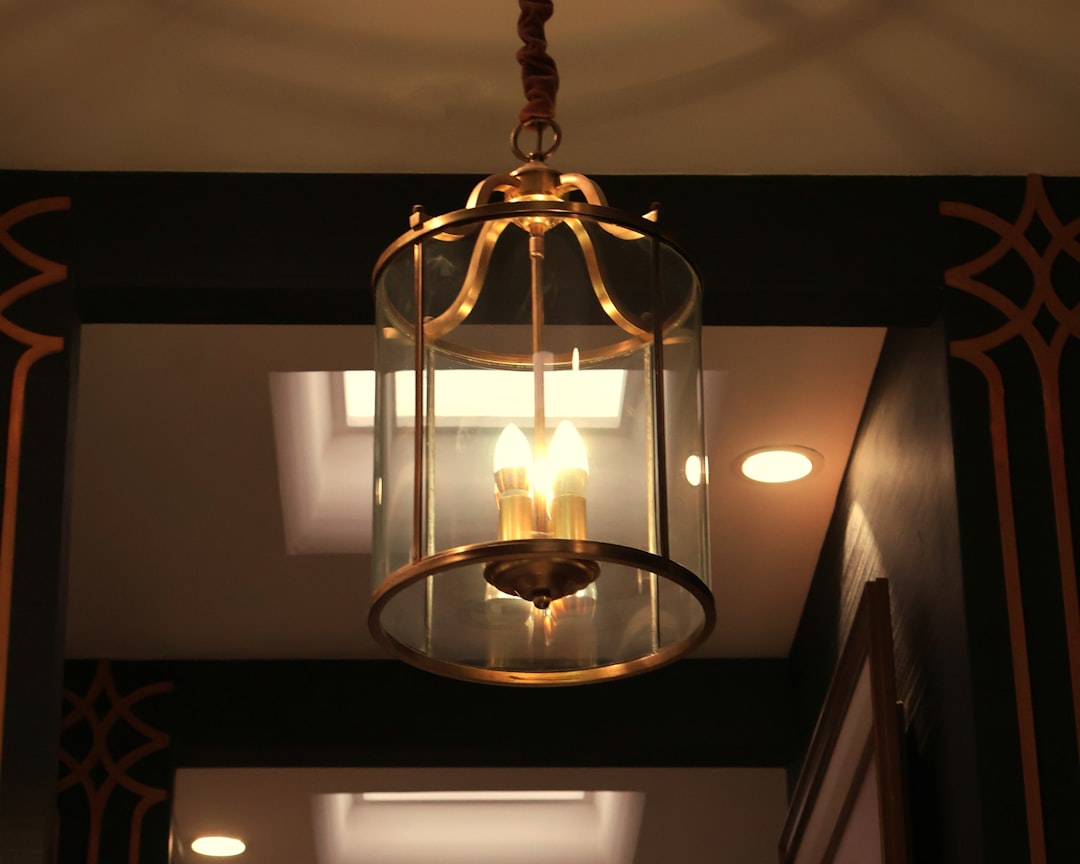
- Traditional: Often features ornate details, wood finishes, and classic design elements, such as decorative glass shades surrounding discrete bulb sockets.
- Transitional: Blends elements of both traditional and modern styles, offering a balance of classic appeal and contemporary simplicity.
- Industrial: Incorporates rugged materials like aged metals, exposed hardware, and often minimalist or utilitarian forms.
- Farmhouse/Rustic: Employs natural materials, distressed finishes, and often features a more robust or organic aesthetic.
Material Choices
The selection of materials influences both the durability and appearance of the unit.
- Blades: Common blade materials include wood (solid wood, plywood, MDF with veneer), plastic (ABS), and metal (aluminum, steel). Blade material affects weight, airflow characteristics, and noise levels.
- Housing: The motor housing and light fixture components are frequently constructed from metals such as steel, aluminum, or zinc alloys. Finishes like brushed nickel, oil-rubbed bronze, matte black, or polished chrome are applied for aesthetic purposes.
- Light Diffusers: Materials such as frosted glass, acrylic, and polycarbonate are used to diffuse LED light, reducing glare and distributing illumination evenly.
Mounting Options
The method of mounting a ceiling fan LED combo affects its positioning and stability.
- Downrod Mount: The most common type, using a metal downrod to suspend the fan from the ceiling. This is suitable for standard and high ceilings. Downrods are available in various lengths to adjust the fan’s height relative to the floor, ensuring optimal air circulation and safety clearance.
- Flush Mount (Hugger Fan): Designed for low ceilings, where the fan motor housing is mounted directly against the ceiling. This minimizes vertical projection but may reduce airflow efficiency compared to downrod mounts.
- Angled Mount: Utilizes a special adapter to install fans on sloped or vaulted ceilings, maintaining proper fan alignment.
Energy Efficiency and Environmental Impact
The integration of LEDs into ceiling fans significantly contributes to the overall energy efficiency of the combined unit, aligning with contemporary environmental considerations.
Power Consumption Comparison
A typical incandescent light bulb might consume 60-100 watts to produce functional light, whereas an equivalent LED light output can be achieved with 8-15 watts. Similarly, a ceiling fan’s motor consumes electricity for operation, but it often allows for a reduction in reliance on more energy-intensive HVAC systems.
- Ceiling Fan Energy Use: Modern DC (direct current) motor ceiling fans are considerably more energy-efficient than older AC (alternating current) models. A DC fan may consume as little as 5-30 watts on its highest setting, while AC fans could use 50-100 watts.
- Combined Savings: By simultaneously providing localized cooling and efficient lighting, the combo unit reduces total household energy consumption compared to units that use less efficient lighting or independent, non-optimized systems.
Reduction in Carbon Footprint
Lower electricity consumption translates directly to a reduced carbon footprint. Power generation often involves the burning of fossil fuels, releasing greenhouse gases. By minimizing power draw, ceiling fan LED combos contribute to:
- Reduced Emissions: Less energy demand means fewer emissions from power plants.
- Resource Conservation: Lower consumption of non-renewable resources used in electricity generation.
- Waste Reduction: The extended lifespan of LEDs generates less electronic waste (e-waste) compared to frequent disposal of incandescent bulbs.
Many ceiling fan LED combos carry certifications such as ENERGY STAR, indicating they meet strict energy efficiency guidelines set by government agencies.
Installation and Maintenance
Proper installation and routine maintenance are crucial for the safe and efficient operation of a ceiling fan LED combo.
Installation Requirements
The installation process generally requires basic electrical knowledge and adherence to safety protocols. If you are not comfortable with electrical wiring, it is advisable to consult a qualified electrician.
- Ceiling Support: A sturdy ceiling electrical box rated for fan support (typically 50-70 pounds) is essential. Standard light fixture boxes are often not sufficient. If the existing box is inadequate, a fan-rated pancake box or a bracing assembly must be installed.
- Wiring: The fan requires a dedicated circuit or at least a properly grounded electrical wire. Many combos are designed for a single switch, controlling both fan and light. However, advanced models may allow for independent control through separate wiring runs or remote controls.
- Clearance: Ensure adequate clearance from walls (at least 24 inches from blade tip to wall) and the floor (minimum 7 feet from floor to blades) for safe and effective operation.
- Tools: Standard tools for installation include a screwdriver set, wire strippers, pliers, a voltage tester, and potentially a stud finder.
Maintenance Procedures
Routine maintenance prolongs the lifespan of the unit and ensures optimal performance.
- Cleaning Blades: Dust accumulation on fan blades can create an imbalance, leading to wobbling and reduced airflow. Blades should be wiped clean periodically with a soft, damp cloth.
- Tightening Fasteners: Over time, vibrations can loosen screws and fasteners. Periodically check and tighten all visible fasteners on the motor housing, blade holders, and mounting bracket.
- LED Component Inspection: While LEDs have a long lifespan, ensure the light diffuser is clean and free of obstructions. If the LED module is replaceable, consult the manufacturer’s instructions for replacement.
- Lubrication (Older Models): Some older fan motors may require occasional lubrication. Modern sealed-bearing motors are often “lubricated for life” and do not require user-applied oil. Consult your fan’s manual.
- Balancing Kit: If the fan develops a persistent wobble, a blade balancing kit (often included with the fan or available separately) can be used to redistribute weight and stabilize the rotation.
Control and Features
Modern ceiling fan LED combos often incorporate advanced control mechanisms and features, enhancing user convenience and functionality.
Remote Control and Wall Switches
Control interfaces vary from basic wall switches to sophisticated remote controls and smart home integration.
- Pull Chains: Traditional fans often use pull chains for fan speed and light on/off control. While simple, they offer limited functionality.
- Wall Switches: Dedicated wall switches can control fan speed (with multi-speed switches) and light separately. Some fan/light combos are compatible with dimmable wall switches for light intensity control.
- Handheld Remote Controls: The most common modern control method, offering comprehensive management of fan speeds, light on/off, dimming, and sometimes even fan direction. This eliminates the need for complex wall wiring for separate controls.
- Wi-Fi and Smart Home Integration: Many contemporary ceiling fan LED combos can connect to Wi-Fi networks and integrate with smart home ecosystems (e.g., Amazon Alexa, Google Assistant, Apple HomeKit). This allows for voice control, scheduling, and remote operation via smartphone apps.
Advanced Features
Beyond basic functionality, many units offer additional features that improve user experience and efficiency.
- Variable Speed Motors: Unlike older fans with fixed speed settings, variable speed motors allow for precise adjustment of airflow, optimizing comfort and energy use. DC motors are particularly adept at this.
- Dimmable LED Lighting: The ability to adjust the brightness of the LED light source allows users to create different ambient moods and save energy when full illumination is not required.
- Color Temperature Adjustment: Some LED light kits allow users to select from different color temperatures (e.g., warm white for relaxation, cool white for tasks).
- Timer Functions: Program the fan or light to turn on or off automatically after a set period, useful for energy saving or night-time operation.
- “Breeze” or “Sleep” Modes: These modes simulate natural breezes by varying fan speed or operate at ultra-low speeds with minimal noise, respectively.
- Reverse Function: Allows for seasonal adjustment of airflow direction (downdraft for cooling, updraft for heat distribution). In modern fans, this is often controlled via remote rather than a physical switch on the motor housing.
- Quiet Operation: Advanced motor designs, balanced blades, and robust construction contribute to quieter operation, an important consideration for bedrooms and living spaces.
The ongoing evolution of ceiling fan and LED technologies suggests continued improvements in efficiency, functionality, and aesthetic integration, positioning the ceiling fan LED combo as a significant component in contemporary interior climate and lighting design.




+ There are no comments
Add yours