Choosing the right wall washer light boils down to understanding your space’s needs and the effect you want to achieve. It’s less about a single “best” light and more about matching the fixture’s capabilities with your artistic vision and practical requirements. Think of it as painting with light – you need the right brush, the right paint, and the right technique to get the desired outcome. This article will help you navigate the various considerations, from beam angle to color temperature, so you can confidently select the perfect wall washer to illuminate your chosen surface effectively and beautifully.
Understanding Wall Washer Lights
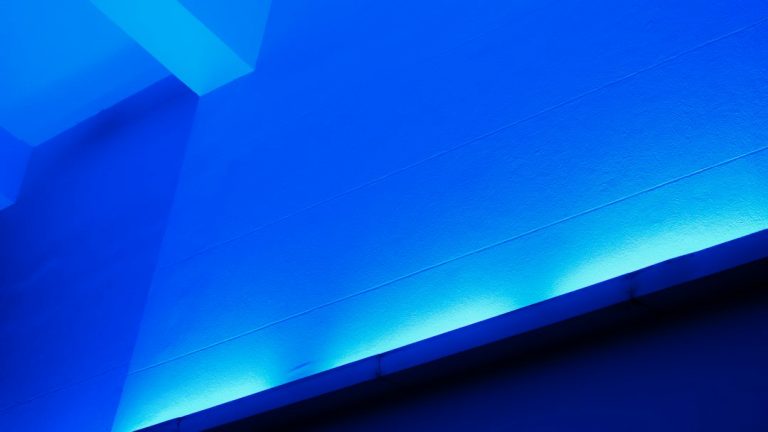
Wall washer lights are specifically designed to illuminate a vertical surface evenly from top to bottom, creating a smooth, uninterrupted curtain of light. Unlike spotlights that create distinct beams or floodlights that spread light widely but often unevenly, wall washers are engineered to “wash” a wall with light, highlighting textures, artwork, or simply making a room feel brighter and more expansive. This effect is achieved through a combination of optics, reflector design, and precise aiming.
The Purpose of Wall Washing
The primary purpose of wall washing is aesthetic enhancement. It can transform a plain wall into a feature, draw attention to architectural details, or display artwork and photographs without harsh shadows. Beyond aesthetics, wall washing can also serve functional purposes by increasing ambient light levels in a room without creating glare, making spaces feel larger, or even guiding movement in corridors or along pathways. The soft, even illumination can be particularly effective in creating a calming or sophisticated atmosphere, depending on the chosen color temperature and intensity.
Key Characteristics
Several characteristics distinguish wall washer lights from other types of lighting fixtures. First, their beam pattern is typically asymmetrical or a very wide symmetrical beam, designed to spread light broadly along a vertical plane rather than concentrating it in a spot. Second, they often incorporate advanced optics, such as specialized reflectors or lenses, to ensure uniformity of light distribution and minimize hot spots or dark patches. Third, their mounting is usually specific, often recessed into ceilings or tracks, or mounted on walls in a way that allows for precise aiming towards the target surface. The goal is always to achieve that seamless, uniform glow.
Crucial Considerations for Optimal Selection
When selecting a wall washer, several factors will significantly impact the final look and effectiveness. Skipping these considerations can lead to disappointing results, such as uneven lighting, glare, or a space that feels off. Taking the time to evaluate these points will ensure your lighting plan achieves its full potential.
Beam Angle and Distribution
The beam angle is perhaps the most critical factor for a wall washer. Unlike a spotlight with a narrow beam, a wall washer needs a wider, often asymmetric beam to spread light evenly across the wall.
Wide vs. Narrow Beams
A wide beam (typically 60 degrees or more) is suitable for larger walls or when you want to illuminate a significant portion of a surface from a single fixture. This is ideal for creating a broad wash of light. However, if the fixture is too close to the wall, a very wide beam can cause light to spill onto the ceiling or floor, reducing the intended washing effect.
A narrower beam (still wide for a wall washer, perhaps 30-50 degrees) might be appropriate for taller walls or when fixtures are mounted further away from the wall. This allows the light to travel further down the wall before spreading out. It’s crucial to balance beam width with fixture-to-wall distance to avoid a “scalloping” effect, where distinct arches of light are visible instead of a smooth wash.
Asymmetric vs. Symmetric Distribution
Asymmetric beam distribution is often preferred for dedicated wall washing. These optics are designed to project light further down the wall while limiting upward spill, ensuring more light hits the intended surface and less is wasted on the ceiling. This helps create a cleaner, more defined wash.
Symmetric distribution can also work, especially with very wide beams or when fixtures are mounted quite high and close to the wall. However, achieving an even wash often requires more careful positioning and potentially more fixtures to avoid hot spots near the fixture and falloff at the bottom of the wall.
Fixture-to-Wall Distance and Spacing
The distance between the wall washer fixture and the wall it’s illuminating, along with the spacing between multiple fixtures, is paramount. These two factors directly influence the uniformity and reach of the light.
Distance from the Wall
Generally, the closer the fixture is mounted to the wall, the more intense the light will be at the top of the wall and the quicker it will fall off towards the bottom. Too close, and you risk a strong “hot spot” near the fixture and insufficient light further down. Too far, and the light might become too diffuse and lose its punch, or it might spread too widely onto the floor. A common rule of thumb for a good wash is to mount the fixture about one-third to one-half of the wall height away from the wall, but this varies greatly depending on the fixture’s specific beam angle and power. Experimentation or consulting manufacturer guidelines is often necessary.
Spacing Between Fixtures
When using multiple wall washers along a longer wall, proper spacing is key to avoiding dark spots or overlapping bright areas. The goal is to achieve a continuous, even wash. Typically, the spacing between fixtures should be similar to or slightly less than the fixture-to-wall distance, again depending on the beam angle. If fixtures are spaced too far apart, you’ll see noticeable dark areas between them (scalloping). If they’re too close, you might create unnecessary brightness and potentially overwhelm the effect. Many manufacturers provide detailed photometric data, including recommended spacing and throw distances, which are invaluable resources.
Light Output and Brightness (Lumens)
The total light output, measured in lumens, determines how bright the wall wash will be. This needs to be matched to the size of the wall, the ambient light levels, and the desired dramatic effect.
Matching Lumens to Wall Size
A small accent wall will require significantly fewer lumens than a vast gallery wall in a commercial space. Over-lighting a wall can create glare and feel overwhelming, while under-lighting will make the effect appear weak and ineffective. Consider the surface reflectance as well: a dark, matte wall will absorb more light and require higher lumen output than a light, reflective one to achieve the same perceived brightness.
Dimming Capabilities
For ultimate flexibility, look for fixtures with dimming capabilities. This allows you to adjust the intensity of the light to suit different moods, times of day, or functions of the space. Dimmable drivers (for LED fixtures) or compatible dimmers (for traditional sources) are essential for achieving this control. Ensure the dimming system is compatible with the fixture and offers smooth, flicker-free operation across the entire dimming range.
Color Temperature (CCT)
Color temperature, measured in Kelvin (K), significantly influences the mood and perception of a space. It dictates whether the light appears warm, neutral, or cool.
Warm White (2700K-3000K)
Warm white light typically ranges from 2700K to 3000K and emits a yellowish-white glow, similar to incandescent bulbs. It creates a cozy, inviting, and intimate atmosphere, making it ideal for residential living areas, dining rooms, and bedrooms. It also complements traditional decor and warm color palettes.
Neutral White (3500K-4000K)
Neutral white light (3500K-4000K) is a balanced white that doesn’t lean heavily towards yellow or blue. It’s often preferred for offices, kitchens, bathrooms, and retail spaces where accurate color rendering and a clean, bright environment are desired without being overly cool. It provides good visibility and a fresh feel.
Cool White (>4000K)
Cool white light, generally above 4000K, has a bluer, crisper appearance. While it can enhance a modern, minimalist aesthetic or highlight cool-toned artwork, it can also feel stark or clinical in residential settings. It’s more commonly used in commercial, industrial, or outdoor applications where high visibility and a vibrant, energetic atmosphere are priorities.
Color Rendering Index (CRI)
CRI measures how accurately a light source renders colors compared to natural daylight. A higher CRI (closer to 100) means colors will appear more vibrant and true-to-life.
Importance for Artwork and Features
If you’re washing a wall that features artwork, textiles, or architectural details where color accuracy is important, a high CRI (90+) is essential. A low CRI can make colors appear dull, washed out, or even distorted, undermining the visual impact of the illuminated elements. For general ambient wall washing where color accuracy isn’t paramount, a CRI of 80 or above is generally acceptable.
Types of Wall Washer Fixtures
Wall washer lights come in various forms, each suited for different applications and aesthetic preferences. Understanding these types will help you choose the best fit for your installation method and desired visual outcome.
Recessed Wall Washers
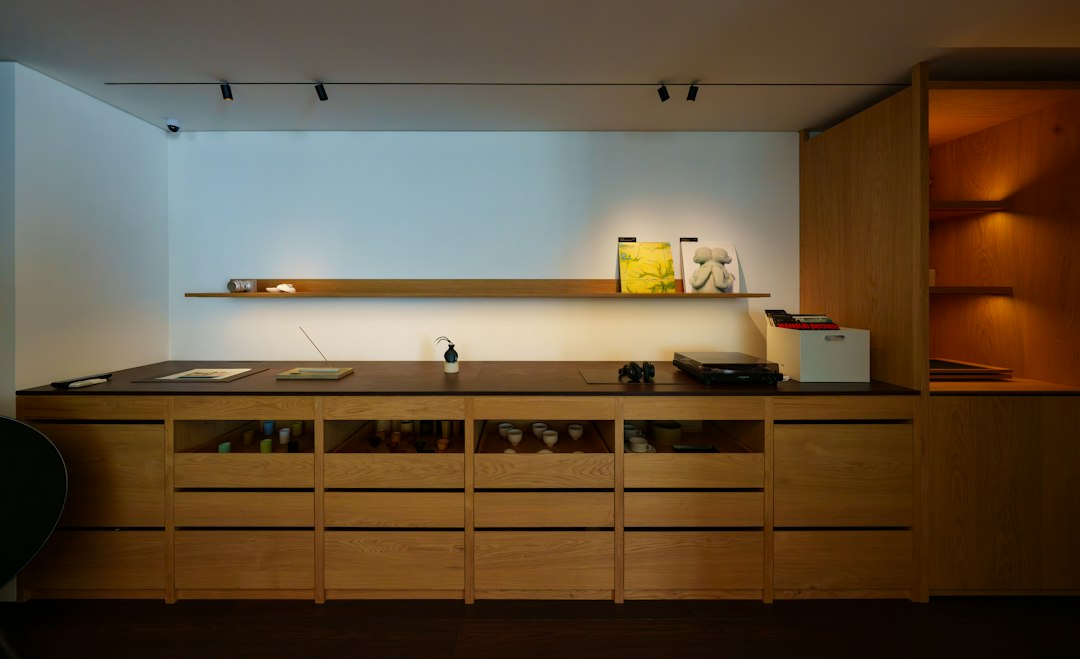
Recessed wall washers are perhaps the most discreet option, installed directly into the ceiling, creating a seamless look where the light source itself is barely visible.
Advantages of Recessed Fixtures
The primary advantage of recessed fixtures is their clean, unobtrusive appearance. They integrate smoothly into the architecture, making them ideal for modern or minimalist designs where you want the focus to be solely on the illuminated wall, not the fixture. They also free up wall and floor space, which can be a significant benefit in smaller rooms or areas with limited real estate. Many recessed options offer adjustable gimbals or specialized optics that can be aimed after installation to fine-tune the wash.
Installation Considerations
Installation of recessed wall washers requires cutting holes in the ceiling and access to the joist space above for wiring. This means they are often easier to install during new construction or a major renovation. Retrofitting into an existing ceiling can be more challenging and may require professional assistance to ensure proper alignment and wiring. Heat dissipation is also a factor, especially with traditional halogen or incandescent sources, though modern LED recessed fixtures run much cooler. Ensure the fixture is rated for the specific ceiling type (e.g., insulated contact, wet location).
Track Lighting Wall Washers
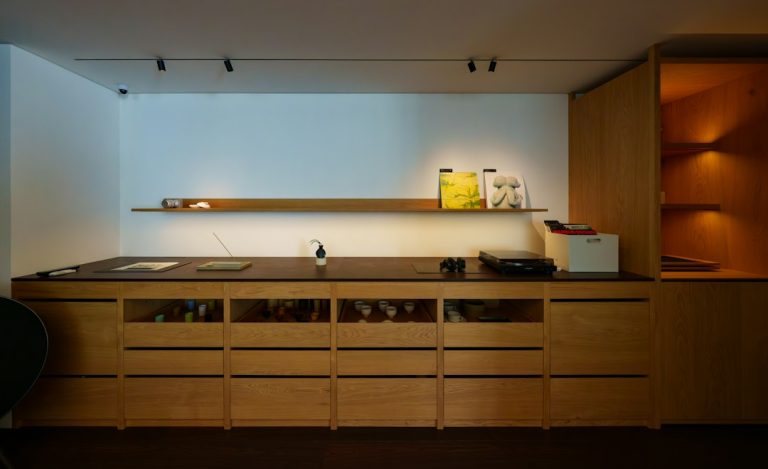
Track lighting offers flexibility, allowing you to position and aim fixtures along a track system, making adjustments relatively easy after installation.
Flexibility and Adjustability
The greatest strength of track lighting wall washers is their adjustability. You can slide fixtures along the track to change spacing, rotate them, and pivot their heads to fine-tune the beam direction. This makes them excellent for dynamic spaces, art galleries, or areas where the display might change over time. If you acquire new artwork or rearrange furniture, you can simply adjust the lights rather than reinstalling them.
Aesthetic Impact
Track lighting, by its nature, is more visible than recessed lighting. The track itself and the individual heads are part of the room’s aesthetic. Modern track systems are often sleek and minimalist, designed to blend in, but they will still be a noticeable element. Consider whether this aesthetic aligns with your overall interior design. They can work very well in industrial, contemporary, or even eclectic spaces, but might feel out of place in very traditional or formal settings.
Surface-Mounted Wall Washers
Surface-mounted fixtures are installed directly onto the ceiling or wall surface, offering a straightforward installation method without cutting into the structure.
Ease of Installation
Since surface-mounted wall washers don’t require cutting into the ceiling or walls (beyond a small hole for wiring), they are generally the easiest to install, especially in existing spaces. This makes them a popular choice for renovations where extensive structural work is undesirable. They can be mounted almost anywhere there’s a wiring connection.
Design Versatility
Surface-mounted fixtures come in a vast array of designs, from minimalist cubes to decorative linear bars, allowing them to serve as both a light source and a design element. This versatility means you can choose a fixture that either blends discreetly with your decor or makes a bold statement. They are particularly effective for washing walls from a distance or when a direct, strong downward light is needed from a wall-mounted position.
Linear Wall Washers
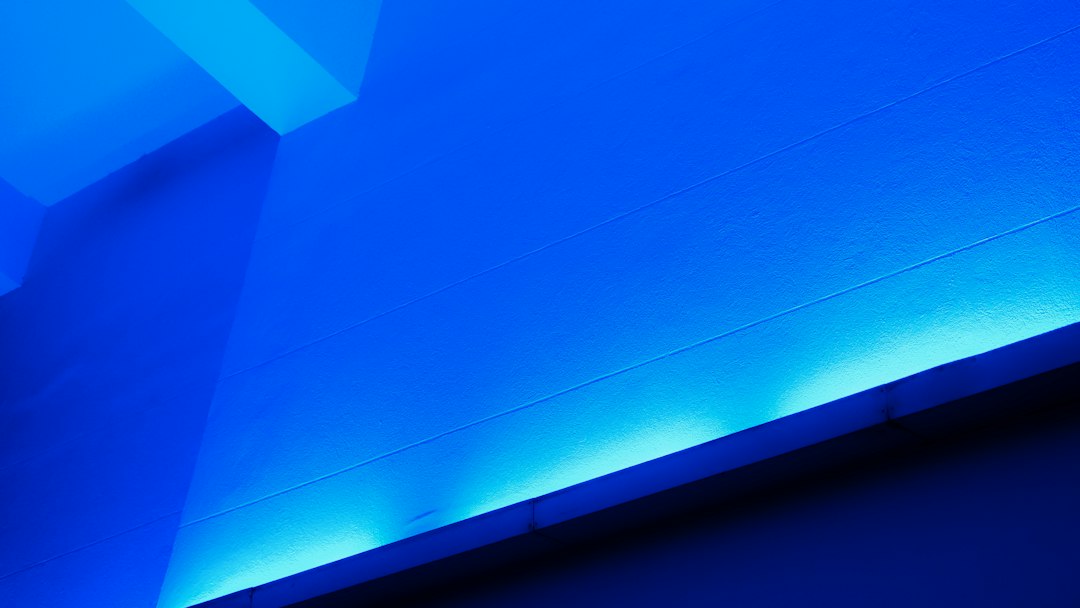
Linear wall washers, often long, slender fixtures, are designed to create a continuous, unbroken line of light along a wall.
Continuous Illumination
The main benefit of linear wall washers is their ability to produce a seamless, uniform wash of light without the scalloping that can sometimes occur with individual spot fixtures. They are perfect for illuminating long architectural features, display cases, or extensive gallery walls where a smooth, unbroken band of light is desired. They eliminate the need for precise spacing calculations between multiple individual fixtures.
Placement Options (Recessed, Surface, Suspended)
Linear wall washers offer diverse mounting options. They can be recessed into ceiling coves or wall niches for an invisible light source, creating a truly architectural effect. They can be surface-mounted directly onto the ceiling or wall, providing a more exposed, contemporary look. Some can also be suspended from the ceiling, which can be an interesting design choice, especially in spaces with high ceilings or where the fixture itself is part of the visual interest.
Practical Installation Tips and Best Practices
Even with the right fixture, poor installation can ruin the wall washing effect. Paying attention to these practical tips will help ensure your lighting looks its best.
Mock-Up and Testing
Before committing to a full installation, especially for complex or multi-fixture layouts, always try to mock up and test your chosen lights.
Benefits of Prototyping
A mock-up allows you to visually assess the beam spread, brightness, uniformity, and color temperature in your actual space before making permanent changes. You can adjust the fixture-to-wall distance, spacing, and aiming to find the sweet spot that achieves your desired effect. This helps prevent costly mistakes and ensures you’re happy with the outcome. It’s much easier to move a temporary fixture than to patch holes in a ceiling.
How to Conduct a Simple Test
For a simple test, if possible, temporarily hold or mount one of your chosen fixtures at the intended height and distance. If it’s a recessed fixture, use a temporary clamp or stand. Turn it on and observe the light pattern on the wall. Pay attention to uniformity, hot spots, dark areas, and the extent of the wash. If using multiple fixtures, try to simulate their spacing with additional temporary lights or by moving a single fixture. Take photos at different angles and distances to review.
Aiming and Adjustments
Proper aiming is critical for achieving an even wall wash. Even fixtures designed for wall washing may require fine-tuning.
Optimizing the Light Spread
Once fixtures are installed, take the time to precisely aim them. For recessed or track fixtures with adjustable heads, experiment with different angles. The goal is to minimize light spill onto the ceiling or floor and maximize the even distribution of light across the vertical surface. Sometimes, a slight tilt can make a big difference in eliminating shadows or enhancing uniformity. For linear fixtures, ensuring they are mounted perfectly level and at the correct distance is often the main adjustment.
Avoiding Scalloping and Hot Spots
Scalloping (dark arcs between fixtures) usually indicates that fixtures are spaced too far apart or that their beam angle is too narrow for the given spacing. Adjusting spacing or using a wider beam fixture can resolve this. Hot spots (overly bright areas, usually near the top of the wall) often mean the fixture is too close to the wall or too powerful. Increasing the fixture-to-wall distance or dimming the light can help. It’s a delicate balance that often requires patience and observation.
Maintenance and Lifespan
Considering maintenance and the lifespan of your fixtures is a practical step that can save time and money in the long run.
LED vs. Traditional Sources
Modern wall washers almost exclusively use LED technology due to its numerous advantages. LEDs have significantly longer lifespans (tens of thousands of hours compared to thousands for traditional bulbs), use less energy, and generate less heat. While the initial cost might be higher, the long-term savings in energy consumption and replacement bulbs are substantial. Traditional halogen or incandescent wall washers will require more frequent bulb changes and consume more power.
Accessibility for Replacement and Cleaning
Consider how easy it will be to access your wall washers for cleaning or, if applicable, bulb replacement. Recessed fixtures in high ceilings might require a ladder or scaffolding, which can be a hassle. Choose fixtures where components like lenses or diffusers are easily removable for cleaning dust buildup, which can dim the light output and affect the quality of the wash over time. For LED fixtures, where the entire module often needs replacement if it fails, accessibility for the full fixture removal might be a factor.
Enhancing Your Space with Wall Washers
Beyond simply illuminating a wall, wall washers offer opportunities to enhance your space in creative and functional ways. Think about the overall impact you want to make.
Highlighting Textures and Materials
Wall washers excel at bringing out the inherent beauty of textured surfaces like exposed brick, natural stone, wood panels, or decorative wallpapers. The grazing light creates subtle shadows and highlights that accentuate the depth and character of the material, turning a flat surface into a dynamic visual element.
Creating Depth and Interest
When light hits a textured surface at a shallow angle, it emphasizes every ridge and valley. This creates a sense of depth and dimension that wouldn’t be apparent under direct, frontal lighting. By strategically washing a textured wall, you can transform it into a focal point, adding significant architectural interest to a room without needing additional decorative elements. This technique is particularly effective in spaces where you want to create a rustic, industrial, or natural aesthetic.
Accentuating Artwork and Photography
Wall washing is a sophisticated way to illuminate artwork, photography, or other wall-mounted displays, making them stand out without the harshness of direct spotlights.
Even and Glare-Free Illumination
Unlike focused picture lights that can create hot spots or glare on glossy surfaces, a well-executed wall wash provides a broad, even illumination across the entire piece of art. This helps to reveal the full spectrum of colors and details without distracting reflections. The light comes from above, reducing shadows cast by the frame and providing a museum-quality presentation. For larger pieces or galleries, multiple wall washers can be strategically placed to ensure complete and uniform coverage.
Expanding Visual Space
The psychological effect of an evenly lit wall can make a room feel larger and more open, a valuable technique in smaller or more confined spaces.
Making Rooms Feel Larger
When walls are evenly washed with light, the boundaries of the room become less defined, making the space feel less enclosed. The smooth glow draws the eye along the wall, creating an illusion of expanded depth. This is particularly effective in corridors, entryways, or compact living areas where you want to avoid a cramped feeling. By brightening the vertical surfaces, you elevate the overall ambient light level and create a more inviting atmosphere.
Guiding Movement and Defining Zones
In larger open-plan spaces, wall washing can subtly guide movement or define different functional zones. For example, washing a wall along a pathway can draw people through a space, while washing the wall behind a seating area can subtly delineate that area as a lounge zone. This is a nuanced approach to spatial organization that relies on light rather than physical barriers, maintaining an open and fluid feel while still providing structure.