
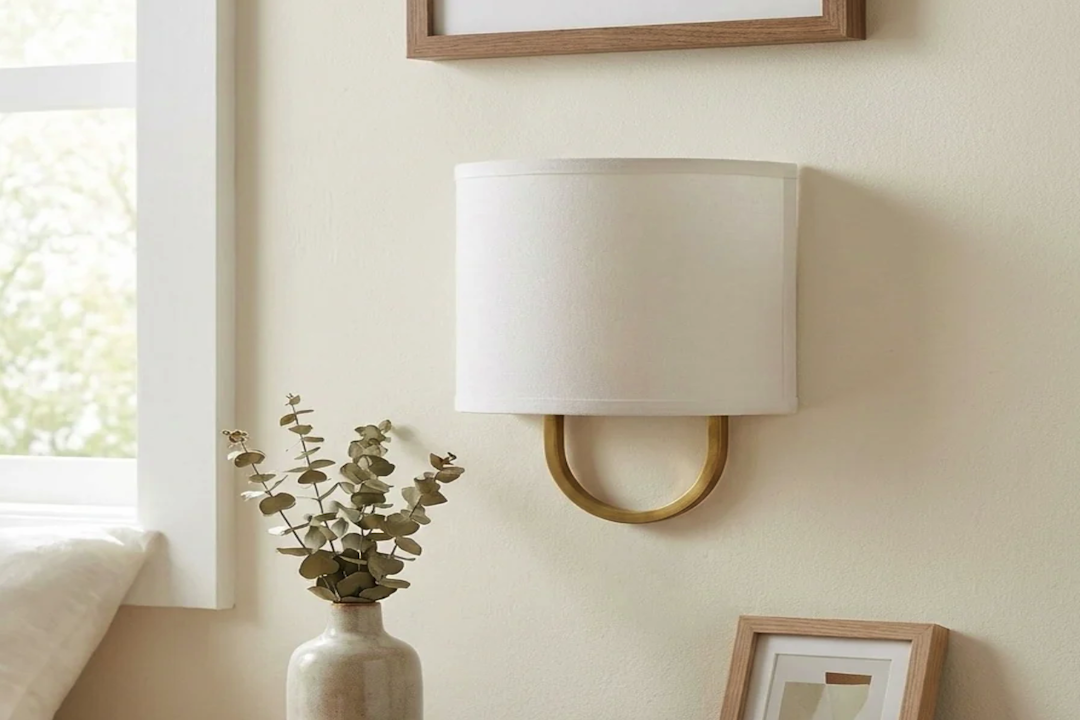
White fabric wall sconces offer a decorative and functional lighting solution for interiors. Their design often incorporates a fabric shade that diffuses light, creating a softer illumination than exposed bulbs. The “effortless maintenance” aspect refers to the practicalities of keeping these fixtures clean and presentable over time. This article will explore the characteristics of white fabric wall sconces, their maintenance requirements, and considerations for their integration into various interior design schemes.
White fabric wall sconces are a category of lighting Lucksnail fixtures designed to be mounted on a wall. Their defining feature is the use of a fabric shade, typically made from materials like linen, cotton, silk, or synthetic blends. The color white, in its various shades, is frequently chosen for these shades due to its neutral quality and its ability to reflect and spread light effectively.
Materials and Construction
The construction of a white fabric wall sconce generally involves a base or mounting plate, a stem or arm to hold the shade, and the shade itself.
Base and Mounting Hardware
The base is the component that attaches to the wall. It can be made of metal, such as brass, steel, or aluminum, and is often finished with paint, plating, or a natural patina. The mounting hardware, usually screws and wall anchors, is crucial for secure installation. The type of wall (drywall, plaster, concrete) will dictate the appropriate anchors.
Arm and Stem Designs
The arm or stem extending from the base determines the projection of the sconce from the wall and influences its aesthetic. Common designs include straight arms, curved arms, and multi-jointed arms that allow for adjustability. Finishes on these metal components can range from polished chrome and brushed nickel to antique bronze and matte black.
Fabric Shade Construction
The fabric shade is the primary visual element. It is typically supported by a wire frame, or B-ring, that fits onto the light bulb or socket.
Shade Shapes and Sizes
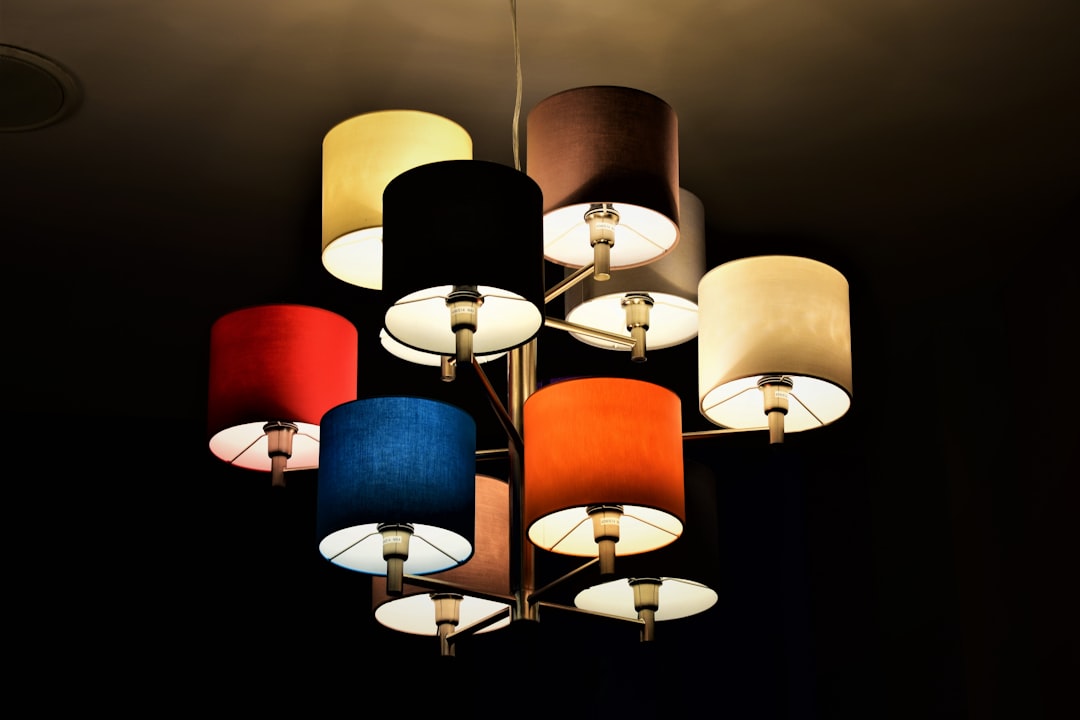
White fabric shades come in a wide array of shapes, including drum, empire, square, tapered, and bell styles. The size of the shade is proportional to the sconce and the intended scale of the room. Larger rooms may accommodate larger sconces with correspondingly sized shades, while smaller spaces benefit from more compact designs.
Fabric Types and Translucency
The choice of fabric impacts the light diffusion effect.
Linen and Cotton
These natural fibers are popular for their texture and breathability. Linen can provide a slightly slubbed appearance, adding visual interest. Cotton is generally smooth and offers good light diffusion. Both are relatively durable but can be prone to staining and fading if exposed to direct sunlight.
Silk and Silk Blends
Silk shades offer a more luxurious feel and can be very delicate. Blends with synthetic fibers are often used to increase durability and reduce cost. Silk shades tend to have a softer glow but require more careful handling.
Synthetic Fabrics
Polyester, rayon, and other synthetic blends are engineered for durability, wrinkle resistance, and colorfastness. They can mimic the appearance of natural fibers while offering enhanced practicality.
The “Effortless Maintenance” Proposition
The term “effortless maintenance” suggests that cleaning and caring for white fabric wall sconces should be a straightforward process, minimizing the time and effort required. This is largely a function of the materials used and the inherent properties of fabric shades.
Cleaning the Fabric Shade
The fabric shade is the component that will most likely require cleaning. Its maintenance depends on the fabric type and the nature of any soiling.
Routine Dusting
Regular dusting is the first line of defense against dirt accumulation. A soft microfiber cloth, a feather duster, or the brush attachment of a vacuum cleaner can be used.
Dust Removal Techniques
For most white fabric shades, a gentle dusting motion is sufficient. Avoid abrasive materials that could snag or damage the fabric fibers. If using a vacuum, set it to the lowest suction setting and hold it a short distance from the shade to prevent it from being pulled into the nozzle.
Frequency of Dusting
The frequency of dusting will vary depending on the environment. In homes with pets or in areas prone to airborne dust, more frequent dusting may be necessary – perhaps weekly or bi-weekly. In cleaner environments, monthly dusting might suffice.
Spot Cleaning Stains
For minor stains or marks, spot cleaning is the recommended approach. It’s crucial to test any cleaning solution on an inconspicuous area of the shade first to ensure it doesn’t cause discoloration or damage.
Identifying Stain Types
Common stains on fabric shades can include dust, smoke residue, insect marks, or accidental spills. Identifying the type of stain can help determine the most effective cleaning agent.
Water-Based Stains
For water-based stains, a mild solution of dish soap and water is often effective. Apply a small amount of the solution to a clean cloth and gently blot the stain. Avoid rubbing, which can spread the stain.
Greasy Stains
Greasy stains are more challenging. For these, an upholstery cleaner specifically designed for fabric might be necessary. Always follow the product instructions carefully and test in an inconspicuous area. Cornstarch or baking soda can sometimes absorb grease before cleaning.
Blotting vs. Rubbing
When spot cleaning, always blot the stain rather than rub. Rubbing can drive the stain deeper into the fabric fibers and damage the weave. Gentle dabbing is key.
Deeper Cleaning Recommendations
For more significant soiling or for a thorough cleaning, deeper methods may be employed, though these are less common with fabric sconces and require more caution.
Steam Cleaning (with caution)
Some manufacturers may suggest steam cleaning for more intensive cleaning. However, this should be done with extreme caution, as excessive moisture can damage the fabric, warp the shade frame, or even damage the underlying structure. A handheld fabric steamer used sparingly and from a distance might be an option, but it is generally not recommended for everyday maintenance.
Moisture Sensitivity
Many fabrics are sensitive to moisture. Over-wetting can lead to water spots, mildew, or structural weakening of the shade.
Professional Cleaning
If the fabric shade is severely soiled and home cleaning methods are insufficient, professional upholstery cleaning services may be an option. However, the cost of professional cleaning might approach or exceed the cost of replacement for a standard fabric wall sconce.
Cleaning the Metal Components
The metal parts of the sconce also require attention to maintain their appearance.
Polished Metal Finishes
For polished finishes like chrome or polished brass, a soft, lint-free cloth is sufficient for removing fingerprints and dust. Mild glass cleaner can be used sparingly on some polished metal.
Avoiding Abrasives
Harsh chemicals or abrasive cleaners will scratch polished metal surfaces, diminishing their shine.
Brushed Metal Finishes
Brushed metal finishes have a directional grain. Cleaning should follow this grain to avoid visible streaks. A soft cloth dampened with water is usually adequate.
Maintaining the Grain
Rubbing against the grain can create noticeable scratches. Always move the cloth in the direction of the brushed texture.
Antique or Patinated Finishes
Fixtures with antique or deliberately patinated finishes require special care. Often, they are best left uncleaned or cleaned with only a dry cloth, as aggressive cleaning can remove the intended patina. Check manufacturer guidelines for specific care instructions.
Factors Influencing Maintenance Ease
Several factors contribute to how “effortless” the maintenance of a white fabric wall sconce truly is.
Shade Material Durability
The inherent durability of the fabric plays a significant role. Synthetics often outperform natural fibers in terms of stain resistance and colorfastness.
Stain Resistance Properties
Fabrics treated with stain-resistant coatings will be easier to clean and less prone to permanent marks. This is a feature to look for if high-traffic areas or potential for accidental spills are a concern.
Colorfastness and UV Resistance
White fabrics are generally less susceptible to visible fading than colored ones, but prolonged exposure to direct sunlight can still cause yellowing or a dulling of the bright white. Fabrics with good UV resistance will maintain their appearance longer.
Shade Construction and Accessibility
The way the shade is constructed and how easily it can be removed or accessed for cleaning impacts maintenance.
Removable Shades
Sconces with shades that can be easily detached are more convenient for cleaning. This allows for more thorough dusting and spot cleaning without the risk of damaging the fixture’s electrical components.
Ease of Removal Mechanisms
Look for simple screw mechanisms, clip-on systems, or B-ring attachments that are straightforward to understand and operate.
Tools Required for Removal
Ideally, shade removal should require no special tools or only basic household tools such as a screwdriver.
Integrated Shade Designs
Some sconces have shades that are permanently attached or integrated into the fixture. These can be more challenging to clean, often requiring cleaning in situ.
Lighting and Environment
The type of light bulb used and the environment in which the sconce is placed will also influence maintenance.
Bulb Type and Heat Output
Incandescent bulbs produce more heat than LED or CFL bulbs. Excessive heat can potentially degrade some fabric shades over time, leading to yellowing or brittleness. Using cooler-running LED bulbs is generally advisable for fabric shades.
Heat Dissipation
Proper ventilation around the bulb and shade is important. Ensure there is adequate space for heat to dissipate.
Location and Environmental Factors
Sconces in kitchens might be exposed to grease and cooking fumes, while those in bathrooms could face humidity. Bedrooms and living rooms typically present fewer cleaning challenges.
Integrating White Fabric Wall Sconces into Interior Design
White fabric wall sconces can serve various roles in interior design, from providing ambient lighting to acting as decorative accents. Their neutral color makes them adaptable to a wide range of styles.
Ambient and Accent Lighting
Their primary function is often to provide soft, diffused light that contributes to the overall ambiance of a room.
Creating a Welcoming Atmosphere
The gentle illumination from fabric shades can create a warm and inviting atmosphere, distinguishing them from harsh, direct light sources.
Softening Harsh Light
In rooms where overhead lighting can be too stark, wall sconces offer a welcome alternative for general illumination.
Layering Light
Fabric sconces are excellent for layering light, complementing other light sources like table lamps and floor lamps to create depth and mood.
Highlighting Architectural Features
When strategically placed, sconces can draw attention to architectural elements such as artwork, moldings, or textured walls.
Directional Lighting
Some sconce designs offer a degree of directional light, allowing you to focus illumination on specific areas.
Up-lighting and Down-lighting
Many fabric sconces are designed to cast light upwards, downwards, or both, creating different lighting effects on the wall.
Complementing Various Decor Styles
The versatility of white fabric shades allows them to integrate into a multitude of design aesthetics.
Modern and Contemporary Interiors
Clean lines and minimalist designs are characteristic of modern and contemporary styles. White fabric sconces, particularly those with simple drum or square shades, can fit seamlessly into these environments.
Simplicity and Restraint
The uncluttered nature of white fabric shades aligns with a design philosophy that values simplicity and avoids ornamentation.
Geometric Shade Shapes
Drum, square, and rectangular shades in white can reinforce the geometric themes often found in contemporary design.
Traditional and Transitional Decor
In more traditional or transitional settings, fabric sconces can add a touch of softness and elegance. Empire, bell, or tapered shades can evoke a classic feel.
Softening Formal Spaces
The diffused light from fabric shades can soften the formality of traditional rooms, making them feel more comfortable and lived-in.
Ornate Detailing (on metal components)
While the shade is neutral, the metal finish on the sconce’s arm and base can be chosen to match or complement traditional decor, such as antique brass or brushed bronze.
Scandinavian and Minimalist Design
The Scandinavian emphasis on light, natural materials, and functional simplicity makes white fabric sconces a natural fit.
Natural Light Mimicry
The soft, diffused light can mimic the quality of natural light, which is highly valued in Scandinavian design, especially during darker months.
Natural Fiber Shades
Linen or cotton shades, with their subtle textures, can enhance the connection to natural materials.
Considerations for Placement
The strategic placement of white fabric wall sconces is crucial for their effectiveness and ease of maintenance.
Avoiding High Traffic Zones for Delicate Fabrics
If a sconce features a particularly delicate fabric, it might be best placed in a lower-traffic area to minimize the risk of accidental damage or soiling.
Proximity to Light Switches and Power Sources
Ensuring easy access to light switches and electrical outlets simplifies the use and maintenance of the sconces over time.
Wiring and Installation
Consider whether the sconce will be hardwired into the wall or use a plug-in cord. Hardwired options generally offer a cleaner aesthetic but require professional installation.
Cord Management
For plug-in sconces, cord management solutions can help maintain a tidy appearance.
Impact of Ambient Light on Color Perception
While typically neutral, the perception of white can vary slightly depending on the surrounding colors and the quality of light cast by the bulb.
Warm vs. Cool White Light
The color temperature of the bulb will influence how the white fabric appears. Warm white bulbs (around 2700K) will cast a more yellow-toned light, while cool white bulbs (around 4000K) will appear bluer.
Maintaining a Consistent Tone
Using bulbs with a consistent color temperature across multiple sconces in a room helps maintain a cohesive visual effect.
Beyond White: Variations and Alternatives
While this article focuses on white fabric wall sconces, it is worth noting that similar fixtures are available in other colors and materials offering different maintenance profiles.
Colored Fabric Shades
Fabric wall sconces are made with shades in a wide spectrum of colors. These offer different aesthetic possibilities but may present unique maintenance challenges.
Colorfastness and Fading
Colored fabrics, especially darker or bolder shades, can be more susceptible to fading from sunlight or cleaning agents.
Dye Stability
The stability of the dyes used in colored fabrics is a key factor in their longevity and resistance to fading.
Sunlight Exposure
Direct sunlight is a significant factor in the degradation of fabric colors.
Cleaning Colored Fabrics
Certain cleaning agents may cause color bleeding or lightening on colored fabrics. It is always essential to test cleaning solutions in an inconspicuous area.
Non-Fabric Shade Alternatives
For those prioritizing the absolute simplest maintenance, non-fabric shade materials offer distinct advantages.
Metal and Glass Shades
Sconces with metal or glass shades are generally easier to wipe down and are not susceptible to staining or damage from moisture in the same way fabric is.
Durability and Washability
Metal and glass are inherently more durable against physical impact and are easily washable with household cleaners.
Heat and Impact Resistance
These materials are less affected by heat and are more resistant to accidental impacts.
Acrylic and Polycarbonate Shades
These synthetic materials offer a modern aesthetic and are often very durable and easy to clean.
Impact Resistance
Acrylic and polycarbonate are significantly more impact-resistant than glass, making them suitable for high-traffic areas.
UV Stability
Many acrylic and polycarbonate materials are treated for UV resistance, preventing yellowing and degradation from sunlight.
Conclusion: Balancing Aesthetics and Practicality
White fabric wall sconces offer a refined lighting solution that balances aesthetic appeal with a reasonable degree of “effortless maintenance.” The key to their practical care lies in understanding the materials involved, employing gentle cleaning techniques, and considering the environment in which they are installed. By adopting a proactive approach to dusting and addressing minor issues promptly, the lifespan and visual appeal of these fixtures can be extended, making them a worthwhile addition to many interior spaces. The proposition of “effortless maintenance” is not about a complete absence of effort, but rather the inherent ease of care once proper understanding and methods are applied.



+ There are no comments
Add yours