

So, you’re wondering how to light a minimalist dome restaurant with a cement texture? The key lies in strategic, focused lighting that enhances the raw beauty of the cement while creating an intimate and sophisticated ambiance. Think less about filling the entire space with light and more about highlighting specific features and guiding the eye. It’s about contrast and playing with shadows, letting the unique architecture and texture speak for themselves.
Minimalist lighting isn’t about absence; it’s about intentional presence. For a dome restaurant with cement textures, this translates to using light Aifeellighting as a design element, sculpting the space rather than merely illuminating it.
Why Less is More
In a minimalist setting, every light fixture, every beam of light, has a purpose. Over-lighting can make the space feel sterile and wash out the very textures you’re trying to showcase. With cement, its inherent ruggedness and tactile quality truly shine when subtle illumination emphasizes its unevenness and depth.
Embracing Shadow Play
Shadows aren’t the enemy; they’re your allies. In a dome, shadows can dramatically enhance its curved geometry, adding a sense of drama and intimacy. Think about how light catches the rough edges of cement, creating interesting patterns and deepening the perceived texture.
Focusing on Function
Beyond aesthetics, minimalist lighting prioritizes functionality. It’s about providing adequate light for dining and navigation without overwhelming the senses. Each light source should serve a specific purpose, whether it’s highlighting a dish, illuminating a pathway, or providing ambient glow.
Uplighting and Downlighting for Architectural Impact
When working with a dome and cement, understanding the interplay of uplighting and downlighting is crucial for creating visual interest and accentuating the architectural form.
Emphasizing the Dome’s Curve
Uplighting strategically placed along the base of the dome walls can create a stunning visual effect, drawing the eye upwards and emphasizing the dramatic curvature. The light will gently graze the cement texture, revealing its nuances.
- Linear LED Strips: Discreetly placed linear LED strips can produce a continuous wash of light, creating a smooth and elegant transition up the dome.
- Recessed Wall Grazers: Small, powerful recessed fixtures aimed upwards can highlight the texture with more intensity, creating a sense of drama and depth.
Defining Dining Zones with Downlighting
Downlighting is your primary tool for illuminating tables and creating individual dining experiences. The goal is to provide focused light on the food and faces without creating harsh glare.
- Pendant Lights with Narrow Beams: Simple, geometric pendant lights with concentrated beams can effectively illuminate each table. Their minimalist design will complement the cement.
- Recessed Spotlights: Strategically placed recessed spotlights in the dome ceiling can offer subtle, directed light to individual tables, minimizing visual clutter.
- Adjustable Beam Angles: Look for fixtures with adjustable beam angles to fine-tune the spread of light over each table.
Balancing Brightness
The key is to create a dynamic interplay between the uplighting and downlighting. The uplighting can be slightly softer, creating a general ambient glow, while the downlighting provides a more focused brightness for dining. This contrast prevents the space from feeling flat.
Accentuating Cement Textures
The cement texture isn’t just a surface; it’s a design element. Lighting needs to bring out its inherent character without making it feel cold or industrial.
Grazing Light Techniques
Grazing light is perhaps the most effective way to highlight the rough, tactile quality of cement. When light hits a textured surface at a shallow angle, it creates dramatic shadows that emphasize its contours.
- Wall Washers: Recessed or surface-mounted wall washers positioned close to the cement surface will cast a broad, even light that reveals the texture.
- Linear Fixtures: Thin, linear LED fixtures positioned horizontally along lower sections of the dome can create a striking grazing effect, particularly effective on rougher cement.
- Strategic Placement: Experiment with the distance of the light source from the wall. Closer placement will create more dramatic shadows and emphasize the texture more intensely.
Backlighting for Depth
While less common in large-scale applications, backlighting can be used for smaller, specific features within the cement. If there are any carved-out sections or translucent elements within the cement, backlighting can create a soft, ethereal glow.
- Embedded LED Panels: Small LED panels embedded behind translucent cement or a thin layer of perforated cement can create a glowing effect.
- Subtle Glow: The goal is a gentle glow, not bright illumination, to add a hint of intrigue and depth.
Avoiding Harsh Shadows
While shadows are good for texture, harsh, clearly defined shadows from overhead fixtures can be distracting. Ensure that your downlighting is carefully aimed to minimize unwanted shadows on the dining surfaces or directly on patrons.
- Diffused Light Sources: Consider fixtures with diffusers to soften the light and prevent harsh shadow lines.
- Multiple Light Sources: Using several smaller light sources rather than one large one can help to spread the light more evenly and reduce harsh shadows.
Color Temperature and Mood Creation
The color temperature of your lighting plays a significant role in establishing the overall mood and feel of the restaurant. For a minimalist cement dome, warm tones often work best.
Warm vs. Cool Tones
Cement, by its nature, can feel cool and stark. Introducing warmer color temperatures can counteract this, making the space feel more inviting and comfortable.
- Warm White (2700K-3000K): This range mimics the warm glow of incandescent bulbs and candlelight, creating a cozy and intimate atmosphere, perfect for dining.
- Neutral White (3500K): While still relatively warm, this offers a slightly crisper look that can work well in areas where a bit more clarity is needed, like a bar area.
- Avoid Cool White (4000K+): Cooler temperatures tend to accentuate the industrial feel of cement, making the space feel cold and uninviting, which is generally not ideal for a restaurant.
Enhancing Food Presentation
The right color temperature can also make food look more appealing. Warm lighting enhances the natural colors of food, making reds appear richer and greens more vibrant. Cooler lighting can make food look dull and unappetizing.
- Dedicated Task Lighting: For kitchen pass-throughs or display areas, consider slightly warmer lights (still within the 2700K-3000K range) to ensure food looks its best.
- CRI (Color Rendering Index): Always look for high CRI (90+) lighting fixtures. This ensures that colors are accurately represented, which is crucial for food presentation.
Dimmability for Flexibility
Dimmable lighting is a non-negotiable for a restaurant. It allows you to adjust the ambiance throughout the day and evening, from brighter luncheon settings to a more intimate dinner atmosphere.
- Individual Zone Control: Ideally, different sections of the restaurant (dome walls, tables, bar, reception) should have independent dimming control.
- Smooth Dimming: Invest in high-quality dimmers that provide smooth, flicker-free transitions, especially important for LED lighting.
Strategic Placement of Light Fixtures
The placement of your light fixtures is just as important as the fixtures themselves. It dictates how light interacts with the dome, the cement, and the diners.
Concealed vs. Exposed Fixtures
For a minimalist aesthetic, concealed fixtures are often preferred as they maintain clean lines and allow the architecture to be the star. However, carefully chosen exposed fixtures can also be integrated.
- Recessed for Clean Lines: Recessed spotlights and linear strips blend seamlessly into the structure, providing light without distracting from the overall design.
- Subtle Surface Mounts: If surface-mounted fixtures are necessary, choose minimalist designs in finishes that complement the cement, such as matte black or brushed metal.
- Integrated Lighting: Consider integrating LED strips directly into architectural details or custom furniture, making the light source invisible.
Highlighting Key Features
Every restaurant has focal points, whether it’s a bar, an art installation, or a unique architectural element. Lighting should draw attention to these areas.
- Architectural Niches: If there are any carved-out niches or alcoves in the cement, small, directional spotlights can highlight them, creating moments of interest.
- Bar Illumination: A bar area often benefits from slightly brighter, more crisp lighting to aid in drink preparation and service, while still maintaining an inviting glow.
- Tabletop Spotlighting: As mentioned, focused downlighting on each table ensures patrons and food are well-lit.
Guiding Navigation
Lighting can subtly guide patrons through the space, from the entrance to their tables and restrooms.
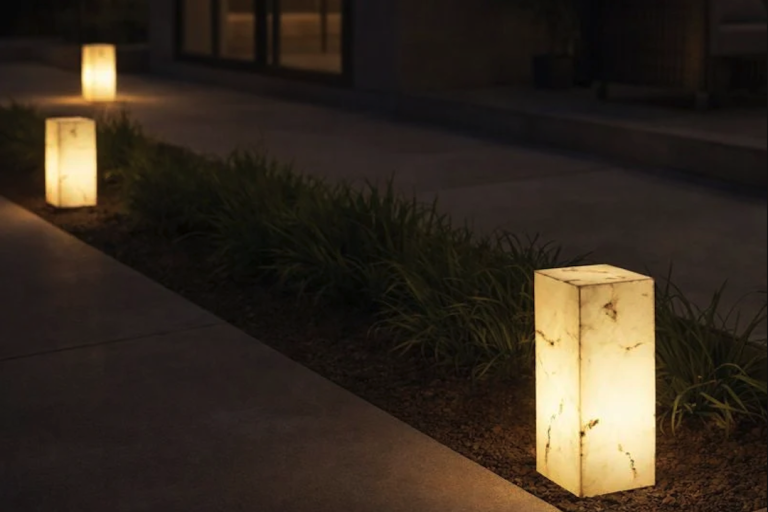
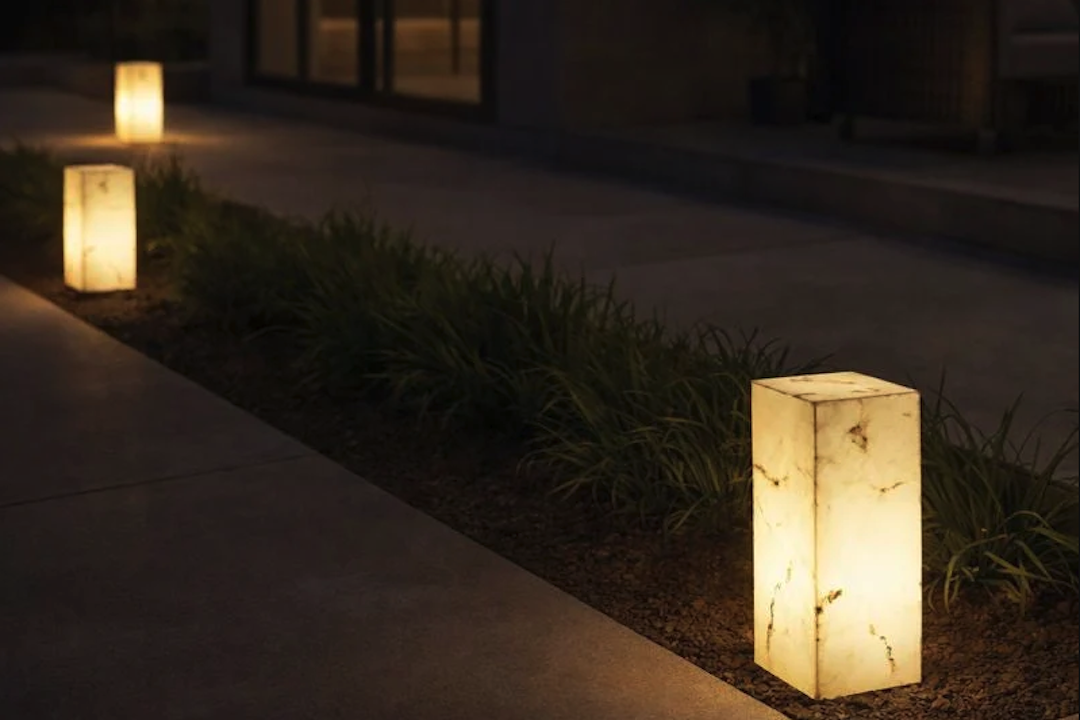
- Pathway Lighting: Low-level linear LED strips or subtle wall sconces can delineate pathways without being overly bright.
- Threshold Illumination: Slightly brighter lighting at the entrance and exits ensures safety and a welcoming feel.
- Restroom Entrances: Clearly but subtly lit restroom entrances prevent guests from having to search.
Maintenance and Accessibility
Consider the practicalities of maintaining your lighting. In a dome, accessing fixtures at height can be challenging.
- Long-Life LEDs: Opt for high-quality LED fixtures with long lifespans to minimize the frequency of bulb changes.
- Accessible Design: If possible, design fixtures in locations that are relatively easy to access for cleaning and maintenance, or factor in specialized equipment for high-reach areas.
- Modular Systems: Choose lighting systems that allow for easy replacement of individual components rather than entire fixtures.
By taking a thoughtful, minimalist approach to lighting, you can truly elevate a dome restaurant with cement textures, transforming it into a unique and unforgettable dining experience. It’s about letting the raw beauty of the materials shine, enhanced by the artful play of light and shadow.

+ There are no comments
Add yours