
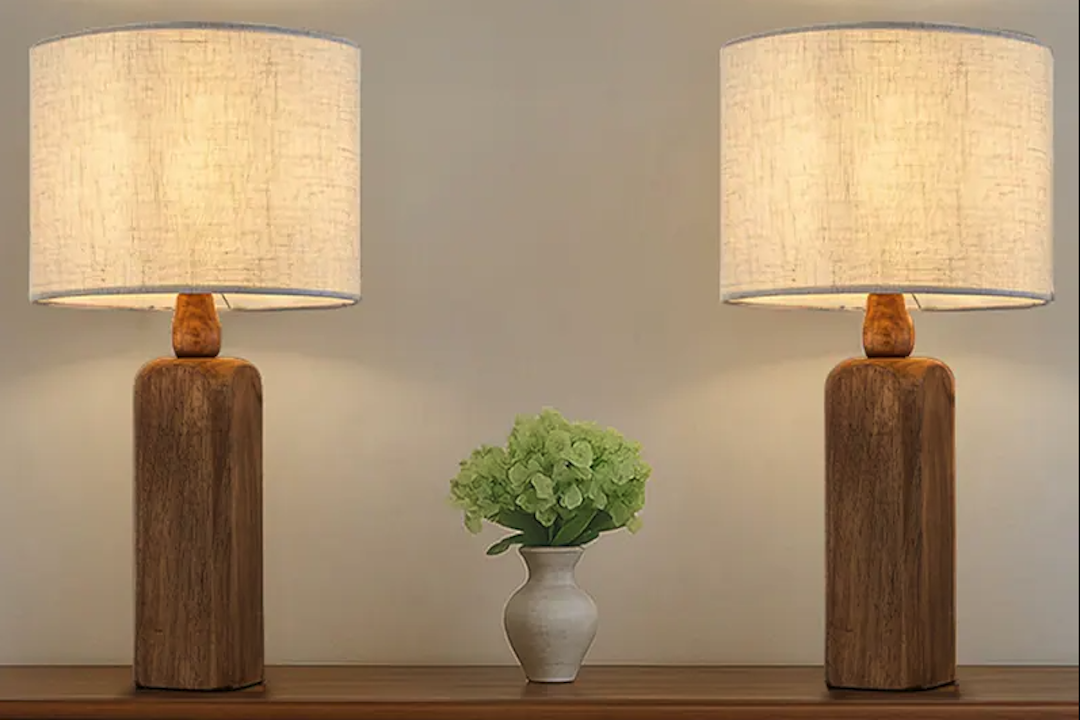
In the realm of home furnishings, certain materials possess an inherent gravitas, a timeless quality that transcends fleeting trends. Solid oak stands as a prime example. Its natural grain, robust texture, and inherent durability make it a favored choice for furniture, and its application in lighting fixtures introduces a distinct element of warmth and sophistication into a living space. A solid oak wood table lamp is not merely a source of illumination; it is an object of substance, a piece that contributes to the overall aesthetic and functionality of a room.
The Material Advantage: Why Oak?
The choice of material for a table lamp Jikics significantly influences its presence and longevity. Solid oak, in this context, offers a compelling set of advantages that contribute to its enduring appeal. It is a hardwood, known for its strength and resistance to wear. This translates into a lamp that can withstand the rigors of daily use without showing premature signs of damage or deterioration. Unlike veneers or composite materials, solid oak possesses a depth and character that cannot be replicated. Each piece of oak is unique, its grain patterns telling a story of its growth. This inherent variation ensures that no two solid oak lamps are precisely alike, offering a sense of individuality to the owner.
Grain and Texture: A Tactile Experience
The visual and tactile qualities of oak are central to its appeal. The prominent, often swirling grain patterns of oak are a key design element in themselves. Whether straight-grained or more figured, these patterns add visual interest and depth, preventing the lamp from appearing monolithic or uninspired. The natural texture of the wood, when properly finished, can be smooth to the touch, inviting interaction. This is particularly relevant for a table lamp, an object often placed within easy reach. The feel of solid oak under the hand adds a dimension of sensory pleasure that is often overlooked in discussions of home décor.
Durability and Longevity: A Sound Investment
When considering the purchase of a table lamp, its lifespan is a practical consideration. Solid oak’s inherent strength and resistance to damage contribute to its long-term durability. A well-crafted oak lamp can last for decades, becoming a reliable and cherished fixture in a home. This longevity makes it a sound investment, offering a return in terms of sustained aesthetic appeal and functionality. Unlike materials that may degrade or become unfashionable over time, the classic appeal of oak ensures that a solid oak table lamp remains relevant and attractive for years to come.
Design Considerations: Form Meets Function
The appeal of a solid oak table lamp extends beyond its material composition. Its design plays a crucial role in how it integrates into a given space and how effectively it fulfills its lighting purpose. Designers draw inspiration from various sources, resulting in a diverse range of styles, from minimalist and modern to more traditional and ornate. The inherent beauty of the wood often guides the design, with many lamps designed to showcase the natural patterns and form of the oak itself.
Silhouette and Proportion: Balancing Presence
The silhouette of a table lamp is its most defining visual characteristic. A solid oak lamp’s silhouette can range from a simple, cylindrical form to more complex, sculpted shapes. The proportion of the lamp – its height, width, and base diameter – is critical for its successful integration into a room. A lamp that is too large can overpower a small surface, while one that is too small can appear insignificant. The weight and substance of solid oak also factor into this; a well-balanced oak lamp feels substantial and stable, not prone to tipping.
Style Adaptability: Complementing Diverse Interiors
Solid oak possesses a remarkable ability to adapt to a variety of interior design styles. While its natural warmth lends itself easily to rustic, farmhouse, or traditional settings, its clean lines and natural beauty can also be effectively incorporated into more contemporary or even minimalist décors. The finish applied to the oak can further influence its stylistic versatility. A raw or lightly oiled finish might enhance a more natural aesthetic, while a lacquered or stained finish can bridge the gap to more formal or modern environments.
The Light Itself: Illumination Strategies
Beyond its form and material, a table lamp’s primary function is to provide light. The quality and distribution of light emitted by a solid oak table lamp can be as important as its aesthetic features. Manufacturers consider the type of bulbs, the design of the lampshade, and the overall structure of the lamp to achieve specific lighting effects.
Ambient and Task Lighting: Dual Roles
A well-chosen table lamp can effectively serve both ambient and task lighting needs. Ambient lighting provides general illumination for a room, creating a welcoming atmosphere. Task lighting is more focused, designed for activities like reading, crafting, or working. The positioning of a solid oak table lamp on an end table, desk, or console can strategically cast light where it is most needed. The solid oak base provides stability for lamps used for task lighting, ensuring they remain in place during use.
Lampshade Materials and Diffusion: Shaping the Glow
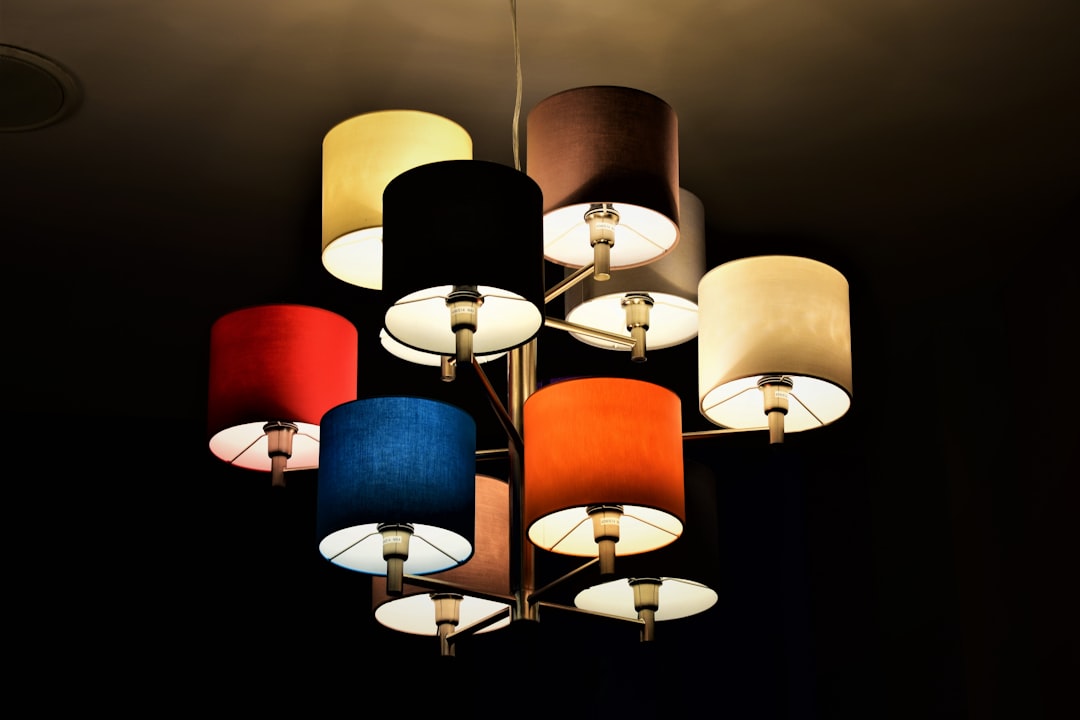
The lampshade plays a vital role in how the light from the bulb is diffused and directed. Common lampshade materials include fabric (linen, cotton, silk), parchment, and even frosted glass. The color and texture of the lampshade will significantly impact the color and quality of the light. A solid oak lamp can be paired with a wide variety of lampshade styles, allowing for further customization of the lighting effect. The interplay between the natural warmth of the oak and the diffusion provided by the lampshade can create a truly inviting ambiance.
Craftsmanship and Construction: The Foundation of Quality
The quality of a solid oak table lamp is ultimately determined by its craftsmanship and construction. The way the wood is joined, finished, and assembled speaks volumes about the care and attention invested in its creation. discerning consumers will often look for signs of quality construction, recognizing that these contribute to both the lamp’s aesthetic appeal and its longevity.
Joinery Techniques: Strength in Assembly
The methods used to join pieces of solid oak in the construction of a lamp are indicative of its quality. Traditional joinery techniques, such as mortise and tenon or dovetail joints, are often employed in high-quality wooden furniture and lighting. These methods create strong, durable connections that are less prone to failure over time. While some simpler lamps may utilize more basic joinery, an understanding of these techniques can help in assessing the overall craftsmanship.
Finishing Processes: Protecting and Enhancing
The finishing process for solid oak is crucial for both aesthetic appeal and protection. Various finishes, including oils, waxes, lacquers, and stains, can be applied. Oils and waxes tend to enhance the natural grain and texture of the wood, offering a more subtle sheen. Lacquers provide a harder, more durable surface, often with a higher gloss. Stains can alter the color of the oak, allowing it to be matched to other wood tones in a room. The quality of the finish is evident in its smoothness, evenness, and resistance to scratches or water marks.
Integrating a Solid Oak Table Lamp: Placement and Purpose
The strategic placement of a solid oak table lamp can elevate the functionality and aesthetic of a room. Its presence should be considered not just as an addition, but as an integral part of the overall design scheme. Understanding its intended purpose – be it for ambiance, task lighting, or as a decorative focal point – will guide its placement.
Living Room Accents: Creating Ambiance
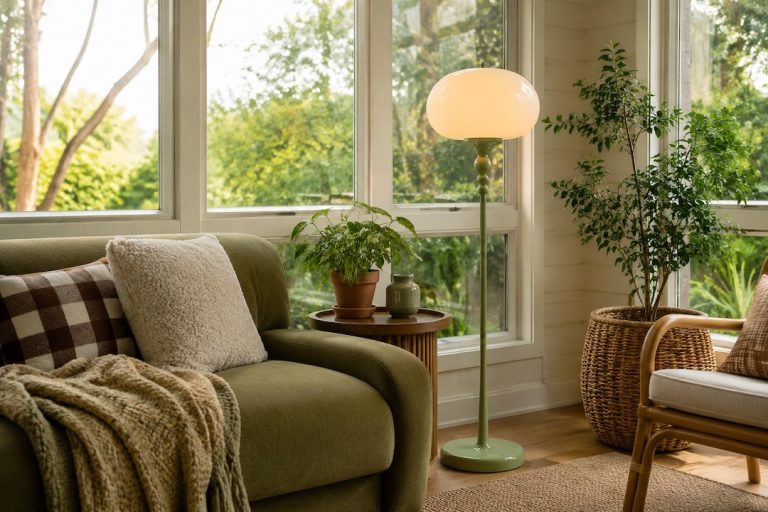
In a living room, a solid oak table lamp can serve as a warm and inviting accent. Placed on an end table next to a sofa or armchair, it can provide supplementary light for reading or create a cozy atmosphere in the evening. The inherent natural beauty of the oak can add a sense of groundedness and warmth to the space, complementing a variety of upholstery fabrics and decorative elements. Consider its height relative to the surrounding furniture to ensure effective light distribution and visual balance.
Bedroom Tranquility: Soft Illumination
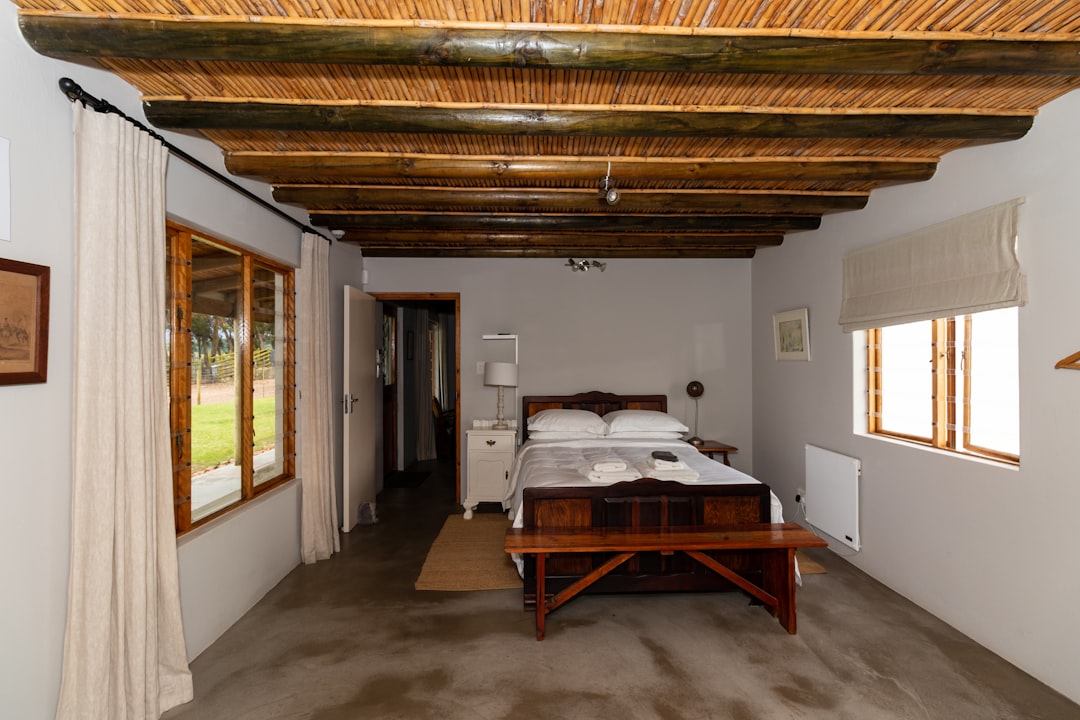
The bedroom is another space where a solid oak table lamp can be particularly effective. On a nightstand, it offers convenient light for reading before sleep or for navigating the room in the dark. The soft glow often produced by table lamps, especially when paired with appropriate shades, contributes to a tranquil and relaxing environment. The tactile nature of solid oak can also add a comforting element to the bedside.
Home Office Functionality: Focused Lighting
For a home office, a solid oak table lamp can provide dedicated task lighting for a desk. Its stable base will ensure it remains steady during prolonged use, and the focused beam of light can reduce eye strain. The natural materials of oak can also contribute to a more calming and productive work environment, counteracting the often sterile feel of purely functional office equipment. The visual appeal of the wood can soften the utilitarian aspects of a workspace.

+ There are no comments
Add yours