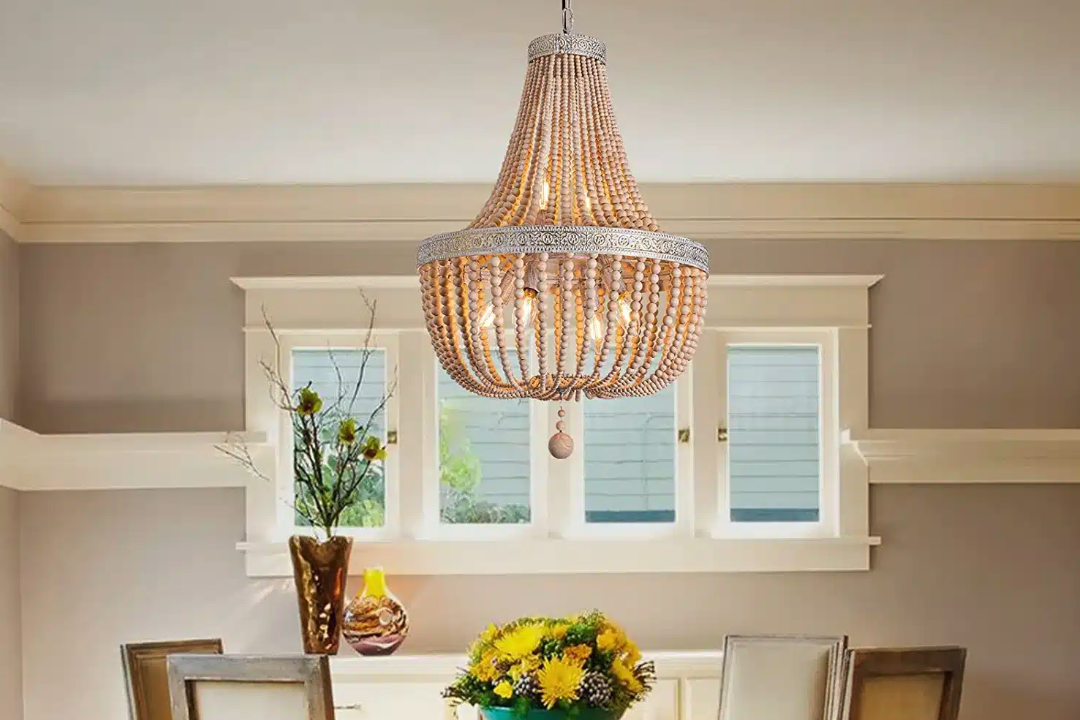
So, you’re wondering if a whitewashed wood chandelier is right for your beach house? The short answer is yes, absolutely. These fixtures are a fantastic choice, bringing a perfect blend of relaxed coastal charm and understated sophistication to any home, especially those by the sea. They offer a light, airy feel that complements beach-inspired decor beautifully, proving to be both practical and stylish.
When you envision a beach house, what comes to mind? Probably sunshine, ocean breezes, and a sense of calm. A whitewashed wood chandelier Osalife fits right into this picture. It’s not just a light fixture; it’s a statement piece that enhances the entire aesthetic without being overbearing.
The Coastal Aesthetic
The natural tones and textures of wood, softened by a whitewash finish, perfectly echo the elements found outdoors – driftwood, sand, and the bright, sun-drenched atmosphere of the coast. This style of chandelier helps to extend that outdoor serenity into your indoor spaces, creating a cohesive and inviting environment.
Light and Airy Feel
Traditional chandeliers can sometimes feel heavy or ornate. A whitewashed wood version, however, immediately makes a room feel more open and brighter. The light finish reflects natural light, making smaller rooms appear larger and more spacious. This is especially beneficial in beach houses, where the goal is often to maximize light and views.
Versatility in Design
You might be surprised by how versatile these chandeliers are. While they’re a natural fit for beachy, shabby chic, or coastal farmhouse styles, they can also complement more modern or minimalist interiors, adding a touch of rustic warmth without clashing with sleek lines.
Durability and Maintenance
Wood, when properly treated and finished, is a remarkably durable material. Whitewashed wood chandeliers are generally low maintenance. Dusting with a soft cloth is usually all that’s required to keep them looking fresh. For beach houses, where humidity can be a factor, most reputable manufacturers will have treated the wood to withstand such conditions, ensuring longevity.
Key Design Elements to Consider
Choosing the right whitewashed wood chandelier involves more than just liking the look. Thinking about these details will help you find the perfect fit for your space.
Size and Scale
This is crucial. A chandelier that’s too small will look lost, and one that’s too large will overwhelm the room. A common rule of thumb for dining areas is that the diameter of the chandelier should be about half the width of your dining table. For other rooms, measure the length and width of the room in feet, add those numbers together, and that sum in inches is a good starting point for your chandelier’s diameter. For example, a 10’x12’ room would suggest a 22” diameter fixture.
Chandelier Material Beyond Wood
While the core is whitewashed wood, many designs incorporate other materials. These additions can significantly impact the overall look and feel.
Metal Accents
Wrought iron, aged brass, or brushed nickel details can add a touch of industrial chic or traditional elegance. These metals often appear in the chain, candle sleeves, or decorative elements, creating a subtle contrast with the wood.
Rope or Jute Details
For an even more pronounced nautical or rustic feel, look for chandeliers that incorporate rope or jute. These natural fibers complement the whitewashed wood beautifully, enhancing the beachy vibe.
Glass Elements
Clear or frosted glass shades can soften the light and add a layer of sophistication. Beaded glass or sea glass accents can further enhance the coastal aesthetic.
Number of Tiers and Branches
Chandeliers come in various configurations.
Single-Tier Design
Simple and often more understated, single-tier chandeliers are great for smaller rooms or where you want a less dominant fixture. They provide ample light without being overly decorative.
Multi-Tier Designs
For grander spaces or higher ceilings, multi-tier chandeliers create a more dramatic focal point. These often have a more intricate structure, making them better suited for dining rooms or large living areas.
Branching Arms
The arrangement of the “arms” or branches also plays a role. Some are more symmetrical and traditional, while others have an organic, free-flowing, or even geometric design, adding to the fixture’s character.
Shape and Form
The overall shape of the chandelier can dramatically alter its impact in a room.
Orb or Sphere
These shapes offer a modern, architectural feel while still maintaining a casual elegance. They work particularly well in contemporary beach houses or entryways.
Drum or Cylinder
A drum-shaped chandelier provides a more diffused light and can feel less imposing. It’s a great choice for bedrooms or living rooms where a softer ambiance is desired.
Traditional Chandelier Silhouette
For a classic look, the familiar, often scrolling, chandelier shape in whitewashed wood offers a timeless appeal that blends traditional elegance with coastal charm.
Linear or Rectangular
Best suited for over dining tables or kitchen islands, linear chandeliers provide even light distribution across a longer surface.
Finish Details of the Whitewash
Not all whitewashed finishes are created equal.
Distressed Whitewash
This finish often involves sanding or distressing a painted surface to reveal some of the natural wood grain beneath, giving it an aged, weathered look. It’s perfect for a shabby chic or rustic beach house.
Smooth Whitewash
A smooth, even coat of whitewash provides a cleaner, more contemporary look. This is ideal if you want a more refined coastal aesthetic rather than a rustic one.
Gray-Toned Whitewash
Sometimes, the whitewash can lean slightly gray, offering a cooler, more muted tone that can complement certain color palettes in a beach house. This can mimic the look of sun-bleached driftwood.
Where to Hang Your Whitewashed Wood Chandelier
The beauty of these fixtures is their adaptability. They aren’t just for dining rooms anymore.
Dining Room
This is probably the most classic spot. A whitewashed wood chandelier above your dining table sets a relaxed yet sophisticated tone for meals and gatherings. It can ground the space and draw the eye upwards.
Living Room or Great Room
In an open-concept living area or a cozy coastal living room, a chandelier can serve as a central focal point. Choose a size that’s proportionate to the room and hang it high enough to allow unobstructed movement.
Entryway or Foyer
Make a grand, yet welcoming, first impression. An entryway chandelier illuminates the space and introduces your home’s coastal theme right from the start. Ensure it hangs high enough for people to walk under comfortably.
Bedroom
Don’t shy away from a chandelier in the bedroom. A whitewashed wood fixture can add a touch of romance and comfort, creating a serene sanctuary. Smaller, more delicate designs work well here.
Kitchen (Especially Over an Island)
If your kitchen has an island, a linear whitewashed wood chandelier or a series of smaller pendants in a similar style can provide both task lighting and aesthetic appeal, tying the kitchen into the home’s overall coastal design.
Covered Porch or Patio
For covered outdoor spaces, a rated indoor/outdoor whitewashed wood chandelier can extend your home’s style to the exterior. This creates a cohesive look and offers beautiful ambient lighting for evening entertaining. Be sure to check its suitability for outdoor use, especially in coastal environments which can be harsh.
Complementing Your Whitewashed Wood Chandelier
A chandelier is a significant design element, but it rarely stands alone. Consider how it integrates with the rest of your decor.
Color Palettes
Whitewashed wood is incredibly forgiving with colors. It pairs beautifully with:
- Neutrals: Whites, creams, ivories, and various shades of beige and gray create a calming, monochromatic coastal look.
- Blues and Greens: Think seafoam, sky blue, navy, olive, and sage greens. These hues naturally harmonize with the wood, evoking the ocean and natural landscapes.
- Soft Earth Tones: Sand, terracotta, and soft browns can add warmth and depth to a coastal scheme.
- Pops of Color: Don’t be afraid to add brighter corals, turmeric yellows, or even a deep teal. The neutral base of the chandelier allows these accent colors to shine without clashing.
Furniture and Fabrics
- Rattan, Wicker, and Cane: These natural materials are a perfect match, reinforcing the organic, textured feel of the beach house.
- Linen and Cotton: Fabrics with natural textures, especially in light colors, enhance the relaxed elegance. Slipcovered sofas are a classic choice for beach houses.
- Reclaimed Wood Furniture: This creates a lovely continuity with the chandelier’s distressed wood finish.
- Upholstered Pieces: Look for furniture in light, solid colors or subtle patterns. A comfortable armchair in a light blue or a linen-covered ottoman would work wonderfully.
Lighting and Accessories
- Layered Lighting: Supplement your chandelier with other light sources like table lamps, floor lamps, and sconces to create different moods and levels of illumination. Look for lamps with natural bases like ceramic, wood, or woven materials.
- Mirrors: Large mirrors with weathered wood frames can reflect light, making the room feel larger and brighter, and highlight your beautiful chandelier.
- Art and Decor: Seashells, coral, driftwood, woven baskets, and botanical prints all tie into the coastal theme and will naturally complement your whitewashed wood fixture. Abstract art in blues and greens can also look stunning.
- Greenery: Indoor plants, especially tropical varieties, add life and vibrancy, connecting the indoor space to the natural world outside.
Installation and Safety Tips
While not overly complex, safely installing a chandelier, especially one made of wood, requires attention to detail.
Professional Installation Recommended
Unless you’re very comfortable with electrical work and structural mounting, it’s always best to hire a qualified electrician. They can ensure the junction box is correctly rated for the chandelier’s weight and that all wiring is up to code.
Ceiling Support
Chandeliers can be heavier than standard light fixtures. Make sure your ceiling’s junction box (or an added brace) can support the weight of your chosen piece. This is particularly important for larger, multi-tier chandeliers.
Proper Height
As mentioned earlier, getting the height right is crucial for both aesthetics and functionality. Over a dining table, the bottom of the chandelier should typically be 30-36 inches above the tabletop. In entryways or general living spaces, ensure there’s enough clearance for people to walk underneath without bumping their heads (at least 7 feet from the floor to the bottom of the fixture).
Bulb Selection
The type of bulb you choose can significantly impact the ambiance.
LED Bulbs
Energy-efficient and long-lasting, LEDs are a great choice. Look for “warm white” (2700K-3000K) bulbs for a cozy, inviting glow, or “daylight” (5000K-6500K) for a brighter, more natural light, depending on the room’s function.
Dimmable Options
Installing a dimmer switch allows you to adjust the light intensity, perfect for setting different moods throughout the day and evening. This is especially useful in dining rooms or living areas.
Bulb Style
Exposed filament bulbs (Edison-style) can add a vintage or rustic touch, while frosted bulbs provide a softer, more diffused light. Consider candelabra-style bulbs for a more traditional look.
Final Thoughts on Beach House Elegance
A whitewashed wood chandelier isn’t just a lighting choice; it’s an investment in creating a specific feeling for your home. It speaks of relaxed luxury, an appreciation for natural textures, and a desire for an environment that feels both welcoming and refined. By considering the practical aspects of size and installation, as well as the aesthetic nuances of finish and complementary decor, you can confidently select a fixture that will illuminate your beach house with effortless elegance for years to come. It’s a choice that truly embodies the essence of coastal living, bringing a piece of the serene seaside indoors.