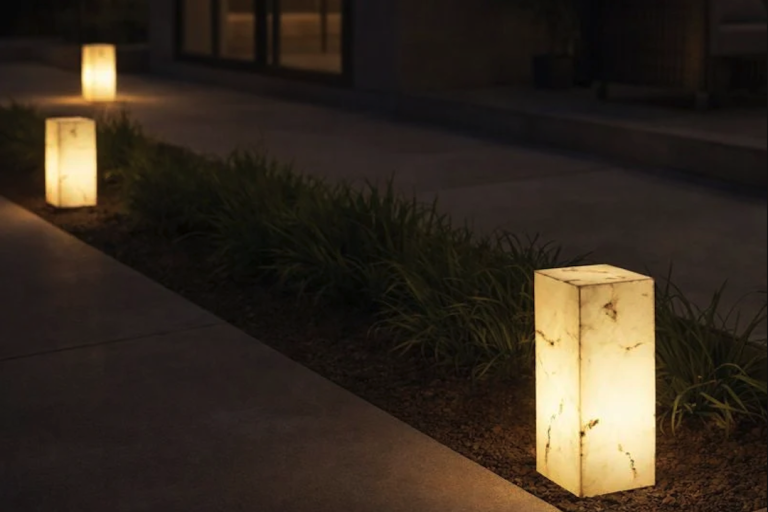
Let’s talk about making your entryway a bit more welcoming, specifically with a solar-powered marble bench lamp. The short answer is, yes, it can be a fantastic way to add light and style to your entryway, especially if you’re looking for something a little different and eco-friendly. It’s not just about a lamp; it’s about creating a mood and a functional space.
So, why would you even consider a solar-powered marble bench lamp for your entryway? It’s a bit of a unique combination, right? Marble brings a touch of natural elegance and weight, while solar power taps into sustainability and convenience. Together, they offer a few distinct advantages that make it a surprisingly practical choice for many homes.
Design Meets Functionality
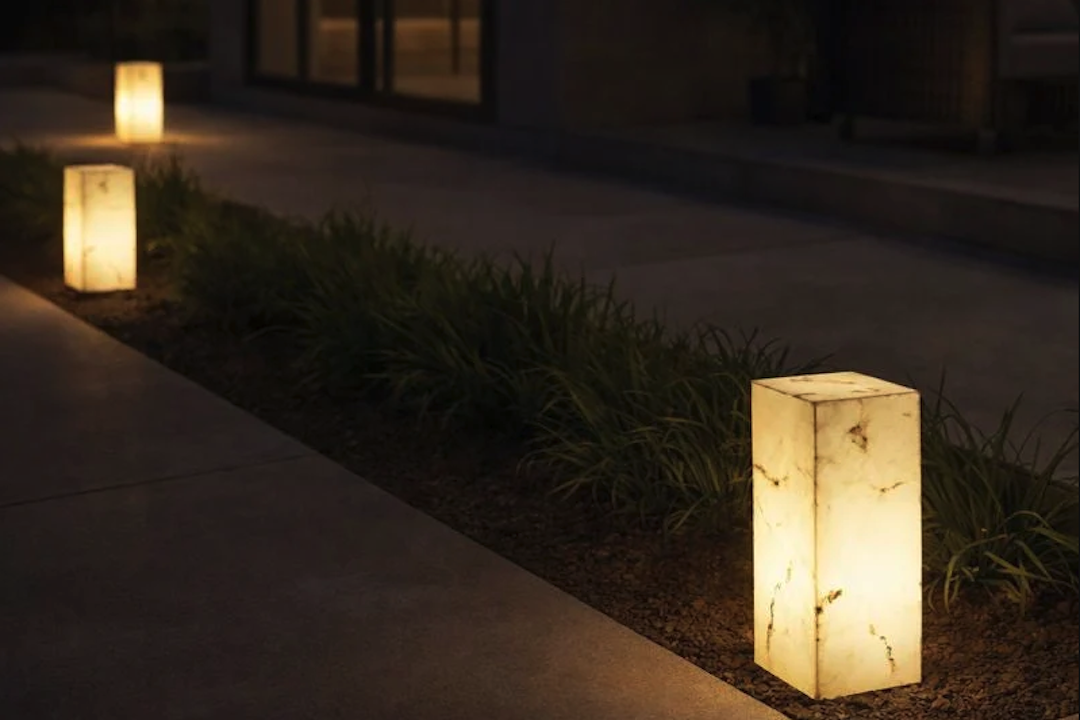
This isn’t your average garden gnome with a solar light Mollongo. These lamps are designed to be statement pieces. The marble itself is often beautifully veined, offering a sophisticated look that can instantly elevate the feel of your entryway, whether it’s an outdoor porch or a well-lit indoor space that gets good natural light.
- Natural Beauty: The inherent variations in marble mean each lamp is unique. No two pieces will look exactly alike, giving your entryway a custom feel.
- Durability: Marble is a hard, durable stone, meaning these lamps are built to last, weathering the elements if placed outdoors or standing up to daily wear and tear.
- Ambient Light: The goal here isn’t harsh task lighting. It’s about creating a soft, inviting glow that makes people feel welcome as they approach or enter your home.
The Eco-Conscious Choice
The solar-powered aspect is a big draw for many. It means you’re harnessing free energy from the sun, reducing your electricity bill and your carbon footprint.
- No Wiring Hassle: Forget about needing an outdoor outlet or hiring an electrician. These lamps are self-contained and ready to go as soon as they’re placed in sunlight.
- Environmental Benefits: By using solar power, you’re contributing to a more sustainable lifestyle, which is increasingly important for many homeowners.
- Cost Savings: While the initial investment might be a little higher than a basic plug-in lamp, the long-term savings on electricity are undeniable.
Where to Place Your Marble Bench Lamp
The “bench” part of the name is key here, but it doesn’t mean it has to sit on a literal bench. Think creatively about how you can incorporate this type of lamp into your entryway’s layout.
Outdoor Entryways
This is perhaps the most obvious placement. A well-lit entryway makes guests feel safer and more welcome, and a solar bench lamp can do just that.
- Porch or Patio: Place it at the end of a porch swing, beside a potted plant on your porch steps, or even as a standalone feature near your front door.
- Garden Path: If you have a pathway leading to your front door, a strategically placed bench lamp can illuminate the way and add a touch of charm.
- Near Seating Areas: If your entryway includes an outdoor bench or seating area, the lamp can provide both light and a decorative element.
Indoor Entryways (with a Twist)
While solar power relies on sunlight, some lamps are designed with integrated solar panels that can still charge effectively in bright indoor spaces.
- Sun-Drenched Foyers: If you have a large entryway with significant natural light from windows or a skylight, an indoor-rated solar bench lamp could work.
- Atriums or Sunrooms: These spaces are ideal for capitalizing on sunlight without the need for external wiring.
- Consider Daylight Harvesting: Some advanced solar lamps have features that allow them to charge during the day and then automatically turn on at dusk. This is perfect for areas that don’t have a consistent power source but receive good daylight.
Beyond the Entryway: Versatile Placement Ideas
Don’t feel limited to just the immediate entrance. These lamps can add a beautiful touch to other areas of your home.
- Garden Features: Integrate it into a rock garden, place it near a water feature, or use it to highlight a favorite shrub.
- Patio or Deck Seating: If you have a patio or deck area that could use some soft lighting, a marble bench lamp can be a stylish addition.
- Window Boxes: For a more creative approach, consider a smaller version placed within a large, sun-facing window box.
Understanding the Technology: How Solar-Powered Lamps Work
The magic of solar-powered lighting lies in a few key components that work together seamlessly. It’s a surprisingly simple system once you break it down.
The Solar Panel: Capturing Sunlight
This is the heart of the operation. The solar panel is made of photovoltaic cells that convert sunlight directly into electricity.
- Photovoltaic Effect: When sunlight strikes these cells, it excites electrons, creating an electric current.
- Placement is Key: The effectiveness of your lamp directly correlates to how much sunlight the panel receives. Direct, unobstructed sunlight is best.
- Material and Efficiency: Not all solar panels are created equal. Higher efficiency panels can generate more power, meaning your lamp will charge faster and stay lit longer.
The Battery: Storing the Energy
Once the solar panel generates electricity, it needs to be stored for use when the sun isn’t shining. This is where the battery comes in.
- Rechargeable Batteries: Most solar lamps use rechargeable batteries, typically Nickel-Metal Hydride (NiMH) or Lithium-ion (Li-ion).
- Capacity Matters: A larger battery capacity means your lamp can store more energy and therefore stay lit for a longer duration.
- Lifespan: Rechargeable batteries have a limited lifespan and will eventually need to be replaced. This is something to consider for long-term ownership.
The LED Bulb: Efficient Lighting
LEDs (Light Emitting Diodes) are the standard for solar lighting because of their energy efficiency and longevity.
- Low Power Consumption: LEDs use a fraction of the energy of traditional incandescent bulbs, allowing solar lamps to run for extended periods on stored battery power.
- Long Lifespan: LEDs can last for tens of thousands of hours, meaning you likely won’t need to replace the bulb anytime soon.
- Light Quality: Modern LEDs offer a range of color temperatures, from warm white to cool white, allowing you to choose the ambiance that best suits your entryway.
The Light Sensor: Automatic Operation
Most solar lamps include a light sensor that detects the ambient light levels.
- Dusk-to-Dawn Functionality: When the sensor detects darkness, it signals the lamp to turn on. When light returns, it turns off.
- Energy Conservation: This automatic feature ensures the lamp only uses power when needed, maximizing battery life and extending its operational time each night.
- Adjustable Settings: Some higher-end models may offer adjustable sensitivity or timer functions.
Choosing the Right Solar-Powered Marble Bench Lamp
With various styles and features available, selecting the perfect lamp for your entryway requires a little thought.
Materials and Quality
The “marble” aspect is where you’ll see the most variation in quality and authenticity.
- Real Marble vs. Resin/Concrete: Be aware that some products might be made from marble-effect resins or concrete. If genuine marble is important to you, look for descriptions that clearly state “natural marble” or “solid marble.”
- Finish and Sealing: The finish of the marble can impact its look and durability. Some might be polished, while others are honed. If used outdoors, ensure the marble is sealed to protect it from the elements and staining.
- Overall Construction: Beyond the marble, check the quality of the base, the solar panel housing, and the LED fixture.
Size and Proportions
The size of the lamp should complement your entryway without overwhelming it.
- Entryway Dimensions: Measure your entryway space to get a sense of what size lamp will fit aesthetically and practically.
- Scale to Surrounding Elements: Consider the size of your front door, any surrounding planters, and existing furniture.
- Bench Lamp vs. Accent Light: Some “bench lamps” are designed to be larger and sit on a substantial bench, while others are more like accent lights that might sit on a ledge or a smaller table.
Solar Performance and Battery Life
This is where the practical functionality of the lamp comes into play.
- Solar Panel Size and Wattage: A larger or more efficient solar panel will charge the battery more effectively, especially in less-than-ideal sunny conditions.
- Battery Capacity (mAh): Higher milliampere-hour (mAh) ratings generally mean longer run times. Look for specifications that indicate how many hours the lamp will stay lit on a full charge.
- Weather Resistance: If used outdoors, ensure the lamp is rated for outdoor use and can withstand your local climate (rain, wind, temperature fluctuations).
Style and Aesthetics
The marble bench lamp is a decorative item, so its style should align with your home’s exterior and interior design.
- Modern vs. Traditional: Marble can lean both modern and classic. Consider the veining of the marble and the overall shape of the lamp.
- Color Palette: Marble comes in various colors – white, black, beige, green, and more. Choose one that complements your home’s existing color scheme.
- Integration with Decor: Think about how the lamp will tie in with other elements in your entryway, such as your doormat, planters, or wall sconces.
Installation and Maintenance: Keeping Your Lamp Shining
One of the main selling points of solar-powered lamps is their ease of installation and low maintenance. However, a little attention will ensure they perform optimally.
Initial Setup
Getting your lamp ready to go is usually straightforward.
- Placement in Sunlight: The most crucial step is positioning the lamp where its solar panel will receive direct sunlight for at least 6-8 hours a day.
- Remove Protective Films: Many new solar lamps have a protective film over the solar panel. Make sure to remove this before the first charge.
- Allow for Initial Charge: It’s a good idea to let the lamp charge for a full day in the sun before expecting it to light up for the entire night.
Regular Cleaning
Keeping the solar panel clean is vital for efficient charging.
- Dust and Debris: Over time, dust, pollen, and bird droppings can accumulate on the solar panel, blocking sunlight.
- Gentle Wiping: Use a soft, damp cloth to wipe down the solar panel periodically. Avoid abrasive cleaners that could scratch the surface.
- Check for Obstructions: Ensure no leaves, branches, or other items are casting shadows on the panel.
Battery Care and Replacement
Rechargeable batteries have a lifespan, and understanding this is part of responsible ownership.
- Signs of Aging Batteries: If your lamp is no longer holding a charge as long as it used to, or if it’s not turning on consistently, the battery might be nearing the end of its life.
- Battery Type: Identify the type of rechargeable battery used in your lamp. This will make it easier to find a compatible replacement.
- Replacement Process: Most solar lamps have easily accessible battery compartments. Consult your lamp’s manual for specific instructions.
Weather Considerations
While designed to be durable, some precautions can extend your lamp’s life.
- Extreme Weather: In areas with very harsh winters or prolonged periods of heavy rain and storms, you might consider bringing the lamp indoors to protect it.
- Drainage: If your lamp is designed to sit on a flat surface, ensure there’s adequate drainage to prevent water from pooling around the base and potentially seeping into the electrical components.
Pros and Cons: A Balanced Look
Like any product, solar-powered marble bench lamps have their advantages and disadvantages. It’s good to weigh these before making a decision.
The Upsides
We’ve touched on many of these, but let’s summarize the key benefits.
- Aesthetic Appeal: The combination of marble and soft light creates a sophisticated and welcoming ambiance.
- Energy Efficiency: Harnessing free solar energy reduces electricity costs and environmental impact.
- Easy Installation: No wiring means quick and simple setup.
- Convenience: Automatic operation with dusk-to-dawn sensors.
- Durability of Marble: A long-lasting and natural material.
- Uniqueness: Natural marble offers one-of-a-kind beauty.
The Downsides
It’s also important to be realistic about the potential drawbacks.
- Sunlight Dependency: Performance relies heavily on sunlight availability. Cloudy days or shaded locations will reduce charging efficiency and run time.
- Initial Cost: Genuine marble and solar technology can lead to a higher upfront investment compared to basic plug-in lamps.
- Battery Lifespan: Rechargeable batteries degrade over time and will eventually need replacement.
- Light Intensity: Solar lamps typically offer ambient light rather than bright task lighting. This might not be suitable for areas requiring strong illumination.
- Quality Variability: The market has a wide range of quality, so it’s important to research and choose reputable brands.
Final Thoughts: Is it the Right Choice for You?
Ultimately, whether a solar-powered marble bench lamp is the right addition to your entryway depends on your priorities and circumstances. If you’re looking for a way to add unique style and a welcoming glow to your entrance, appreciate eco-friendly solutions, and have a location that receives good sunlight, then this type of lamp could be a fantastic choice. It’s about more than just light; it’s about creating an inviting first impression that’s both beautiful and smart.