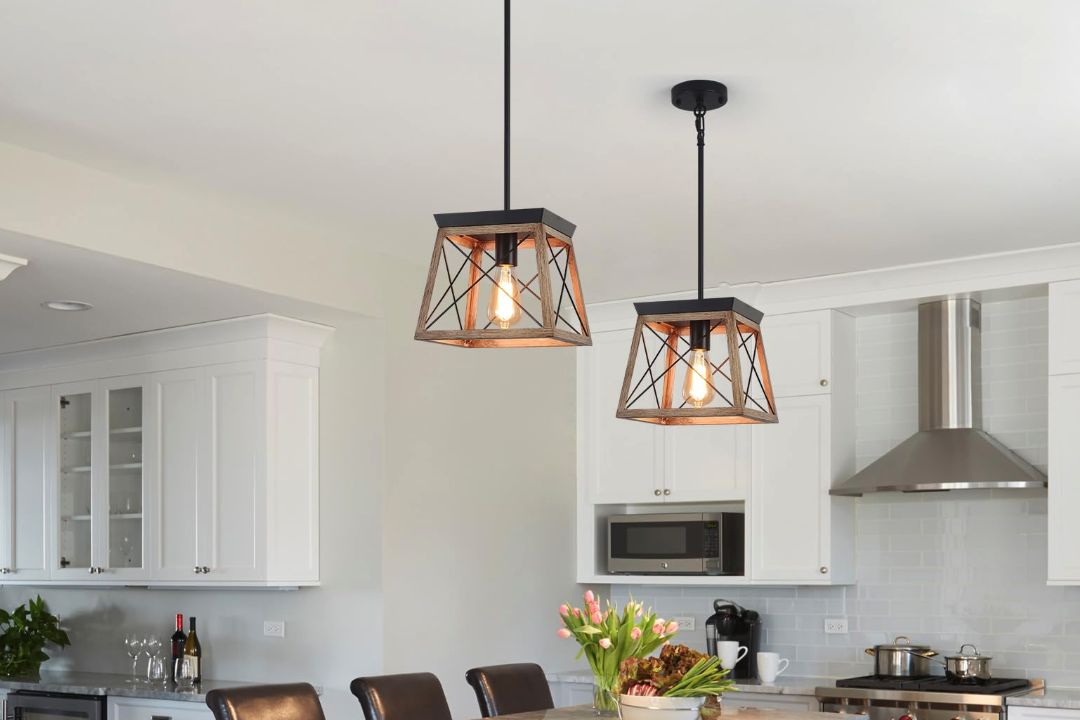
Thinking about a rustic cage pendant light for your kitchen island? You’re onto something good! These lights are more than just a pretty face; they’re a fantastic way to add a touch of down-to-earth charm and practical illumination exactly where you need it most. Let’s dive into why they work so well and how you can make them sing in your kitchen.
Why are these lights Zeelbox popping up in so many kitchens? It’s a combination of style and substance. The “cage” design isn’t just for looks; it offers a certain protective quality, and the “rustic” element brings warmth and character that can transform a modern space into something more inviting.
A Nod to Industrial Roots
The cage design has its origins in industrial settings, where lights needed to be tough and well-protected. Think old factories, workshops, and utilitarian spaces. This heritage brings a sense of authenticity and grit that’s incredibly appealing in home design today. It’s a way of borrowing from history to create something that feels both grounded and stylish.
The Warmth of Rustic Aesthetics
“Rustic” itself evokes images of natural materials, handmade touches, and a general sense of coziness. When applied to a cage pendant light, this often means finishes like brushed bronze, matte black, aged brass, or even distressed wood accents. These materials and finishes feel less mass-produced and more thoughtfully curated, adding a layer of personality to your kitchen.
Versatility in Style
Don’t let the “rustic” label fool you into thinking these are only for farmhouses. While they certainly excel in country or farmhouse kitchens, they also play nicely with other styles. A sleek, industrial-inspired cage pendant can add an edgy contrast to a more contemporary kitchen, while a brushed bronze one can soften a modern minimalist design. It’s about finding the right balance.
Illuminating Your Kitchen Island: More Than Just Light
A kitchen island is a hub of activity, and the lighting above it needs to be up to the task. It’s not just about making the space visible; it’s about creating an atmosphere and ensuring functionality.
Task Lighting Done Right
When you’re chopping veggies, mixing dough, or prepping a meal, you need good, focused light. A pendant light hung directly over your island provides excellent task lighting, minimizing shadows and making your culinary adventures safer and more enjoyable. The cage design, while decorative, doesn’t typically obstruct light output significantly, especially if you choose bulbs that offer good luminescence.
Creating Ambiance
Beyond the practical, the light from a pendant fixture sets the mood. A warm-toned bulb in a rustic cage pendant can create a cozy, inviting glow, perfect for casual dinners or just hanging out with family. The diffused light through the cage can also add a softer, more nuanced quality compared to a bare bulb.
Defining the Space
Pendant lights act as visual anchors, helping to define the kitchen island as a distinct zone within a larger open-plan living area. They draw the eye and create a sense of purpose for that specific spot, making it feel intentional and well-designed.
Types of Cage Pendant Lights for Your Island
Not all cage pendant lights are created equal. The style and construction can vary, offering different looks and levels of illumination.
Single vs. Multi-Light Fixtures
- Single Pendant: These are often sleek and simple, great for smaller islands or if you prefer a minimalist approach. They can be hung individually or in a series of two or three for a more dynamic look.
- Multi-Light Fixtures: Some cage pendants come with multiple bulbs within a single housing, or you might opt for a cluster of individual cages hung at varying heights. This can provide more widespread light and a more dramatic visual impact.
Materials and Finishes
- Metal Cages: These are the most common, featuring finishes like matte black, brushed nickel, oil-rubbed bronze, or antique brass. The finish you choose will significantly impact the overall feel. Matte black leans industrial, while antique brass brings warmth and a vintage vibe.
- Wood Accents: Some designs incorporate wooden elements in the cage or the supporting hardware, enhancing the rustic feel. This could be a dark stained wood or a lighter, more natural finish.
- Glass Interiors: Occasionally, you’ll find cage pendants with a glass shade inside the metal cage. This can soften the light further and add a touch of elegance, blending the rustic with something a bit more refined.
How to Choose the Right Rustic Cage Pendant for Your Island
Selecting the perfect pendant isn’t just about picking the one that looks nicest. You need to consider its size, how many you need, and how it fits with your existing kitchen décor.
Size Matters: Scaling for Your Island
This is crucial. You don’t want pendants that are too big and overwhelming, nor so small that they get lost.
Rule of Thumb for Pendant Spacing
- Island Width: A good starting point is to ensure the total width of your pendant(s) is about one-third to one-half the width of your island. For example, on a 6-foot island, consider pendant(s) that collectively span 2 to 3 feet.
- Spacing Between Pendants (if using multiple): Aim for at least 24-30 inches of space between the edges of each pendant. This prevents them from clashing visually and ensures adequate light distribution.
Hanging Height: Finding the Sweet Spot
- Clearance for Movement: The bottom of the pendant should generally hang about 30-36 inches above the countertop. This provides enough headroom for people to move around and work comfortably without bumping their heads, while still being close enough to provide focused light.
- Visual Harmony: Consider the ceiling height. In rooms with lower ceilings, you might need to hang them a bit higher, and in rooms with very high ceilings, you might be able to go lower for a more dramatic effect.
Number of Pendants: One, Two, or Three?
The layout of your island and your desired aesthetic will dictate this.
Single Pendant Power
- For Smaller Islands: A single, slightly larger cage pendant can be a statement piece on a narrower island.
- Minimalist Appeal: If your island is already quite busy with seating or décor, a single pendant can offer a clean, uncluttered look.
The Classic Duo
- Balanced Look: Two identical cage pendants are a popular choice for mid-sized islands. They offer good symmetry and distribute light effectively.
- Visual Interest: Hang them equidistant from the center of the island and the ends.
Trio for Impact
- Longer Islands: For extended islands, three pendants can create a more substantial and impactful display.
- Varying Heights: For a more contemporary twist, consider hanging a trio at slightly different heights. This adds dynamism and visual depth.
Coordinating with Your Kitchen Style
The rustic cage pendant should feel like a natural extension of your kitchen’s overall design.
Farmhouse Charm
- Warm Finishes: Think oil-rubbed bronze, antique brass, or brushed nickel.
- Natural Materials: Look for designs with subtle wood accents.
- Soft Bulbs: Opt for Edison-style bulbs with a warm glow.
Industrial Grit
- Matte Black or Dark Finishes: These lend a stronger, more utilitarian feel.
- Simpler Cage Designs: Less ornamentation often works best here.
- Clear or Amber Glass: If glass is present, these colors are common.
Modern Fusion
- Sleek Metal Cages: Think clean lines and perhaps brushed chrome or matte black.
- Unexpected Contrasts: A rustic cage pendant can be a great way to add warmth to an otherwise modern, minimalist kitchen with clean lines and cool tones. It creates that interesting juxtaposition.
Transitional Tones
- Versatile Finishes: Brushed nickel or oil-rubbed bronze can bridge classic and modern elements.
- Balanced Designs: Look for pendants that aren’t overly ornate or too starkly industrial.
Installation Tips and Bulb Choices
Getting your lighting just right involves more than just hanging the fixture. The bulbs you choose and the installation process itself are key.
DIY vs. Professional Installation
- Simple Swaps: If you’re replacing an existing pendant light with a similar wiring setup, and you’re comfortable with basic electrical work (turning off power at the breaker, connecting wires), a DIY installation might be feasible. Always consult the fixture’s instructions and prioritize safety.
- New Wiring or Fixtures: If you need to install new wiring, or if you’re unsure about any part of the process, it’s always best to hire a qualified electrician. Incorrectly installed lighting can be a fire hazard or an electrical shock risk. Plus, they can ensure it’s up to code.
Bulb Selection: The Finishing Touch
The light bulb is as much a design element as the fixture itself.
Bulb Types to Consider
- Edison Bulbs (Filament Bulbs): These are a staple for rustic and industrial lighting. Their visible filaments and warm, amber glow add instant character and a vintage feel. They’re often best used where the bulb is visible, which is common with cage pendants.
- LED Equivalents: Thankfully, you can now get LED bulbs that mimic the look of Edison bulbs. These are far more energy-efficient and last much longer, which is a win for both your wallet and the environment. Look for “vintage Edison LED” or “filament LED” bulbs.
- Shape and Size: Pendant lights often accommodate standard bulb bases (like E26/E27 in North America/Europe). Pay attention to the bulb’s shape and size to ensure it fits comfortably within the cage without touching the sides, which can be a fire hazard. Globe or torpedo shapes are common.
Color Temperature (Kelvin)
- Warm White (2700K – 3000K): This is generally the best choice for kitchens. It creates a cozy, inviting atmosphere, similar to incandescent bulbs. It’s flattering for food and people.
- Cool White (4000K+): While brighter, cooler light can be good for task lighting in some areas, it can feel sterile and less inviting over a kitchen island where you might be socializing. Stick to warmer tones for ambiance.
Beyond the Kitchen Island: Where Else Can They Shine?
While kitchen islands are a prime spot, the rustic cage pendant’s charm isn’t limited to that one area. Think about other spots where this style of lighting could add character.
Dining Room Delight
- Over a Table: Just like above an island, a rustic cage pendant or a cluster of them can make a great focal point above a dining room table. It can create a more intimate and cozy dining experience.
- Matching the Vibe: It pairs beautifully with rustic, industrial, or even eclectic dining room décor.
Entryway Entrance
- First Impressions: The entryway is the first glimpse guests get of your home’s style. A well-chosen rustic cage pendant can set a welcoming and stylish tone right from the start.
- Warm Welcome: Imagine stepping into a home with a warm, ambient light from a unique fixture – it’s inviting.
Living Area Accents
- Cozy Corners: In a living room, a single pendant can be used to highlight a specific reading nook or a seating area, adding both light and a decorative element.
- Transitional Style: It can also work well in a living room with a more transitional or industrial-inspired design scheme.
Bedroom Warmth
- Bedside Brilliance: Instead of standard bedside lamps, a pair of smaller rustic cage pendants hung on either side of the bed can be a stylish and space-saving alternative.
- Softer Illumination: These can provide a gentler, more ambient light for winding down in the evening.
Maintaining Your Rustic Cage Pendant Lights
Keeping your stylish fixtures looking their best is straightforward.
Cleaning the Cage
- Dust Regularly: A soft microfiber cloth is your best friend for regular dusting. This prevents dust from building up and dulling the finish.
- Deeper Cleaning: For tougher grime or fingerprint marks on metal finishes, use a damp cloth with a little mild dish soap. Wipe dry immediately afterward to prevent water spots, especially on brushed or polished metals.
- Avoid Harsh Chemicals: Steer clear of abrasive cleaners, ammonia, or bleach, as these can damage the finish of your pendant light.
Bulb Care
- Check Connections: Periodically, ensure the bulbs are screwed in snugly.
- Replace When Needed: While LED bulbs last a long time, any bulb will eventually need replacing. Carefully unscrew the old bulb and screw in the new one, making sure it fits properly within the cage.
Inspecting Fixtures
- Hardware Check: Occasionally, check that all mounting hardware is secure.
- Wiring: If you notice any flickering, or if the light doesn’t turn on consistently, turn off the power at the breaker and have a qualified electrician inspect the wiring. Safety first!
By considering these aspects, you can confidently choose and install a rustic cage pendant light that not only looks fantastic above your kitchen island but also provides the practical illumination you need for all your kitchen activities. It’s a choice that blends form and function beautifully, adding character and warmth to the heart of your home.