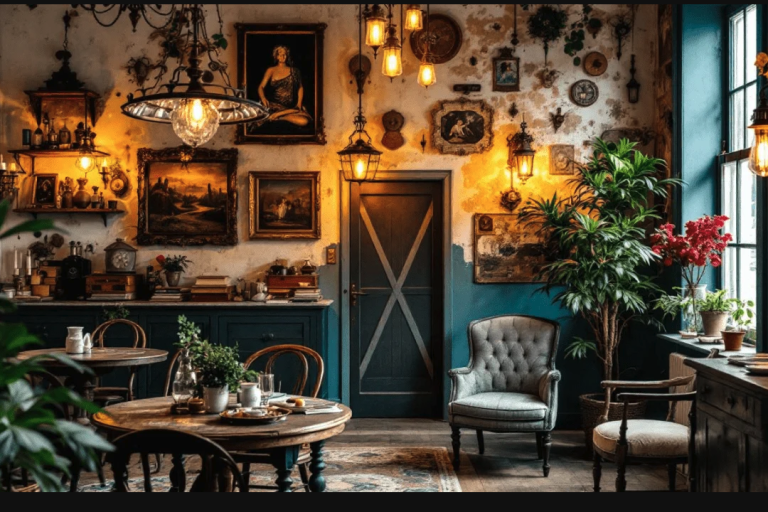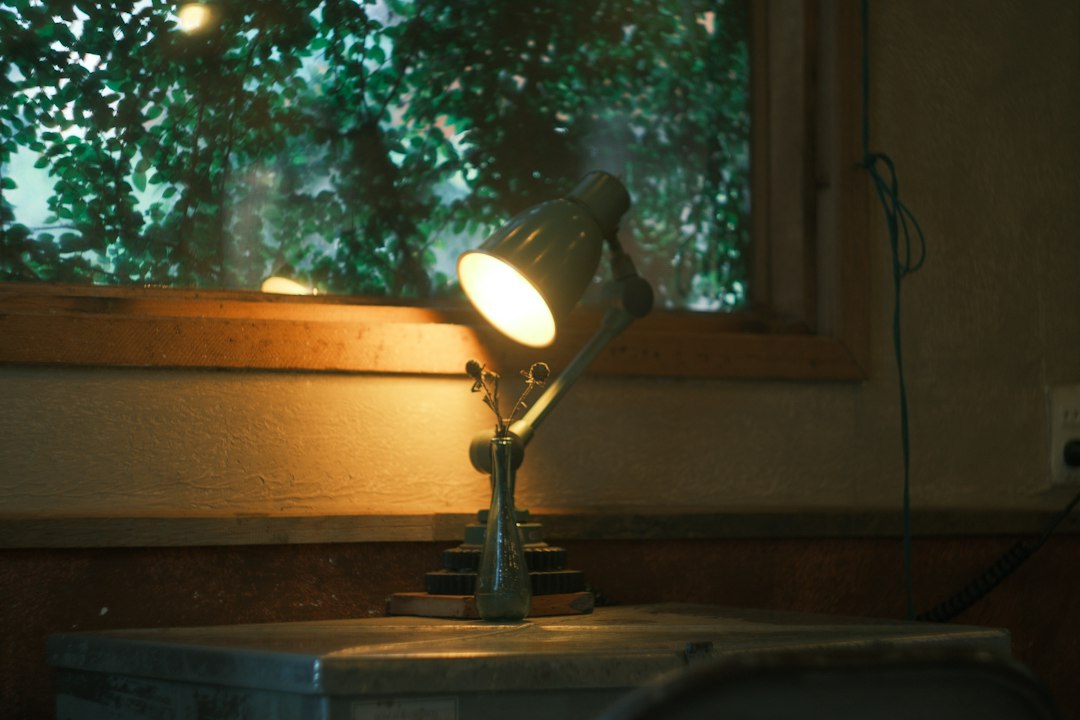
So, you’re wondering if seventies lighting is back in style for 2021? The short answer is a definite yes. While it’s not a full-blown retro invasion, many elements of 70s lighting have re-emerged, but with a modern twist. Think less avocado green shag carpet and more refined, thoughtful nods to the era. We’re seeing a resurgence in certain materials, shapes, and overall moods that bring a warm, inviting, and sometimes playful vibe to contemporary spaces.
It’s interesting how design trends cycle, isn’t it? The 70s, often caricatured for its excesses, actually held some really intriguing design philosophies that are resonating with us today.
A Quest for Comfort and Authenticity
After a period of minimalist, often cold aesthetics, people are craving warmth and a sense of “home.” The 70s, with its earthy tones and natural materials, inherently offered this. We’re all spending more time in our homes, and there’s a collective desire for spaces that feel comforting and authentic, not sterile.
Embracing Organic Shapes and Textures
The sharp lines and polished surfaces of recent years are giving way to softer, more organic forms. The 70s celebrated this with curved furniture, rough-hewn textures, and natural finishes, which we’re seeing reinterpreted in modern designs. It’s a move towards a more tactile and visually interesting environment.
A Nod to Nostalgia (Without Being Dated)
There’s a gentle nostalgia at play. Many of us grew up with hints of 70s design in our homes or our parents’ homes. It evokes a certain comfort without necessarily wanting to replicate the era wholesale. Designers are picking out the best bits and refining them for today’s tastes. It’s about taking inspiration, not imitation.
Key Lighting Elements Making a Comeback
Let’s dive into the specifics of what 70s lighting Noosamap trends are showing up in today’s designs. It’s not just about one fixture; it’s a whole mood.
Natural Materials and Earthy Tones
This is probably one of the most significant shifts. The 70s loved all things natural, and that’s incredibly relevant today, especially with a growing focus on sustainability and biophilic design.
Rattan and Cane Fixtures
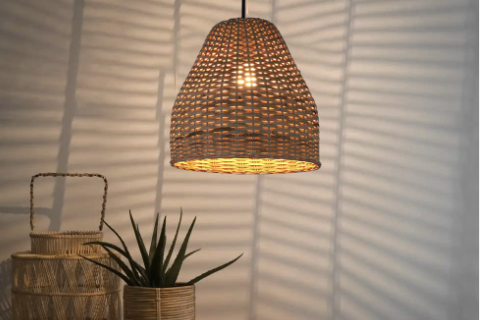
You’re seeing these everywhere, from pendants to table lamps. Rattan and cane bring a wonderful texture and warmth to a space. In the 70s, they were often quite chunky and rustic. Today, they’re more refined, sometimes paired with metal accents or in more delicate weaves. They diffuse light beautifully, creating a soft, inviting glow. Think about a large rattan pendant over a dining table or a cane-wrapped bedside lamp – it immediately adds a relaxed, bohemian touch.
Ceramic and Pottery Lamps
Glazed ceramics, often in earthy tones like terracotta, burnt orange, olive green, or even deep blues, are back in a big way for lamp bases. These often have a handcrafted, artisanal feel, which aligns perfectly with the desire for authenticity. They add a grounded, sculptural element to a room, sometimes with subtle textural patterns. Instead of mass-produced plastic, people are gravitating towards pieces that feel unique and have a story.
Wood Accents and Finishes
Whether it’s a solid wood base for a table lamp, a wooden element on a pendant, or even a veneer, wood brings an undeniable warmth. Darker, richer woods were popular in the 70s, and we’re seeing that replicated, often in combination with brushed metals or linen shades for a contemporary touch. It’s about creating a sense of organic luxury.
Spherical and Organic Shapes
The structured, geometric lines of mid-century modern began to soften in the 70s, and we’re seeing a strong return to these gentler forms.
Globe Pendants and Sconces
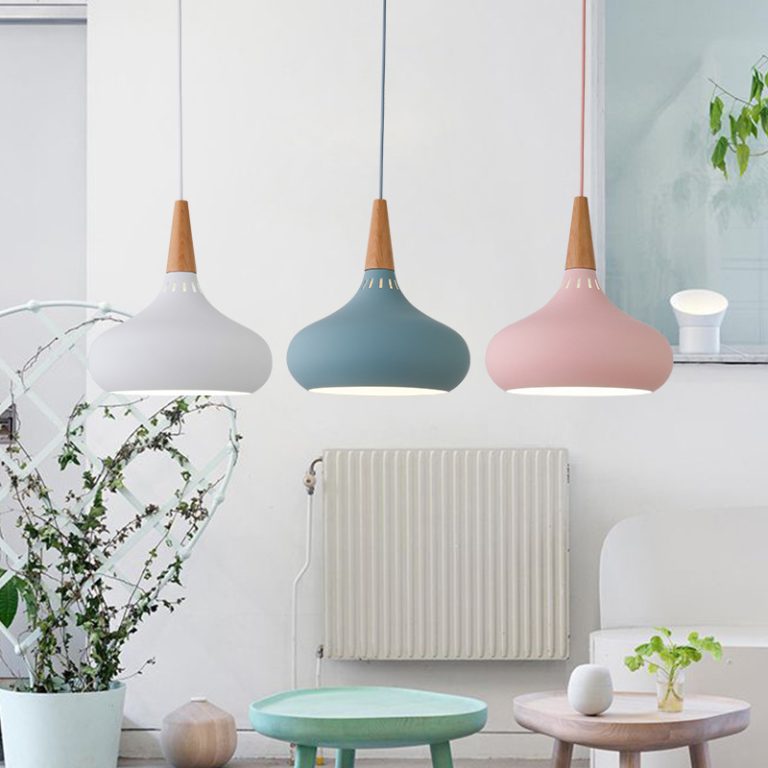
The classic globe light, whether milky white or smoked glass, is incredibly popular again. These fixtures provide a soft, diffused light that’s easy on the eyes. In the 70s, they often featured prominent chrome accents. Today, they might be paired with brass, matte black, or even leather details. They’re versatile enough for a hallway, bathroom, or even as a cluster above a kitchen island. The beauty is in their simplicity and the way they spread light evenly.
Mushroom Lamps
Think of the iconic “mushroom” table lamp – a cylindrical base supporting a domed shade. These are having a moment, often in vibrant, glossy colors or in more muted ceramic finishes. They create a wonderful downward glow, perfect for mood lighting on a side table or desk. They’re a playful nod to the era without being overly kitsch.
Curvilinear Fixtures
Beyond simple spheres, we’re seeing more abstract, curved lighting designs. Arched floor lamps, often with large, domed shades, are making a statement. These provide a dramatic focal point and can help define a seating area in an open-plan space. It’s about embracing fluidity and softness in design.
Statement Pendants and Chandeliers
The 70s was a time when lighting started to become more than just functional; it became decorative art. This trend is definitely back.
Large Scale and Sculptural Designs
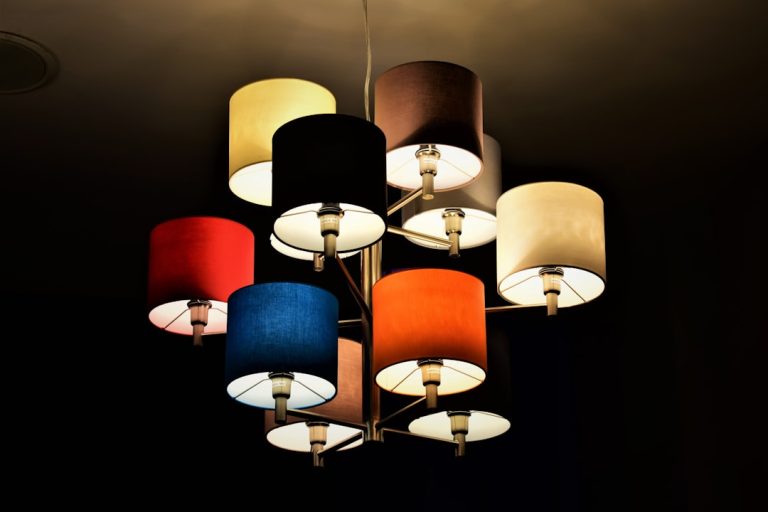
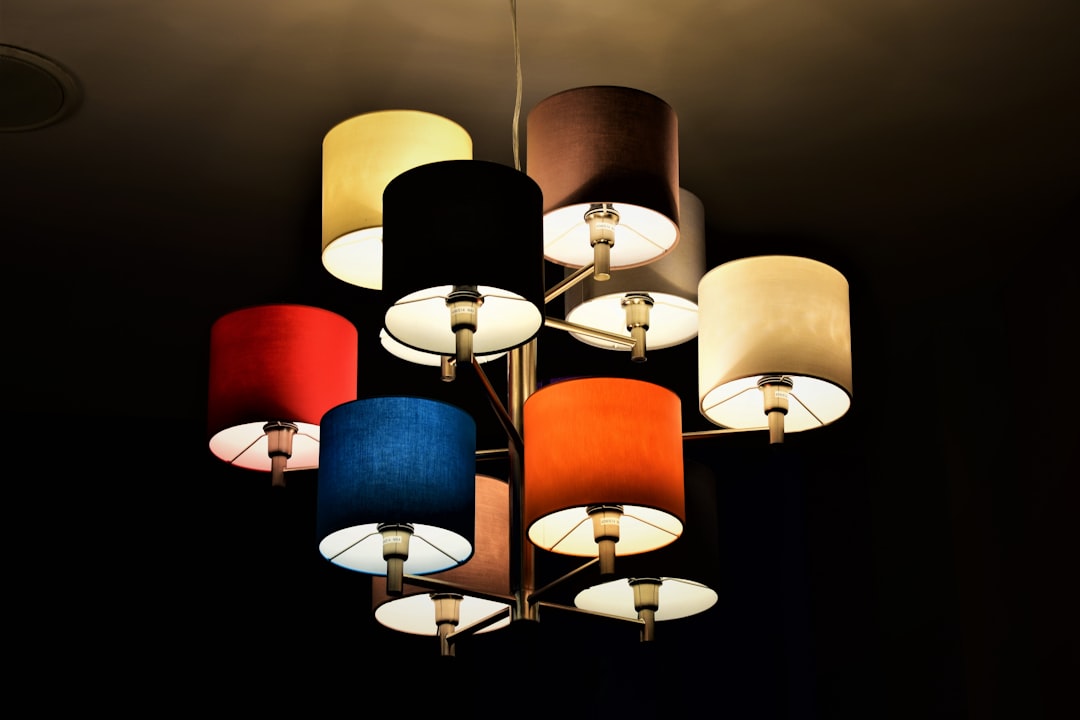
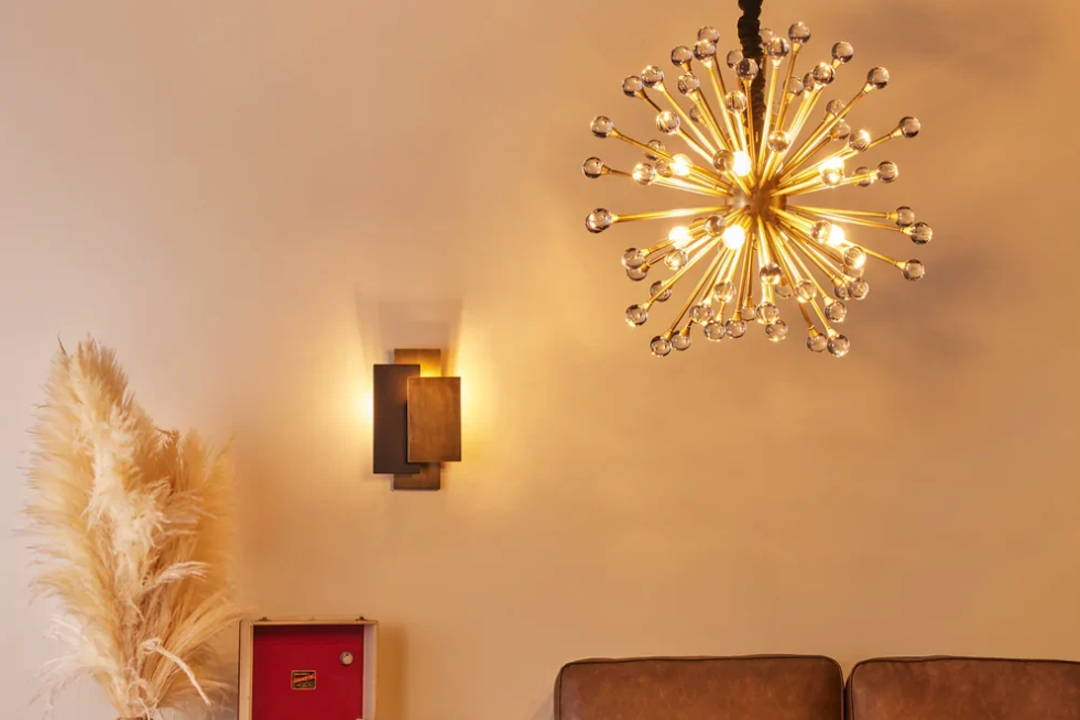
Gone are the days of tiny, unassuming ceiling fixtures. Today, people are embracing large, impactful pendants and chandeliers that act as a centerpiece. These often feature multiple tiers, unusual shapes, or a cluster of individual lights. Think of oversized globe clusters or abstract metallic forms that draw the eye upwards. It’s about making a design statement.
Art Deco and Bohemian Influences
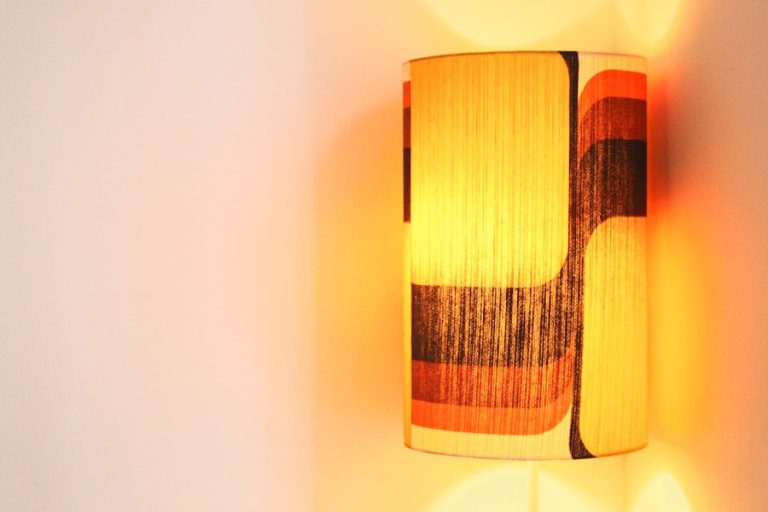
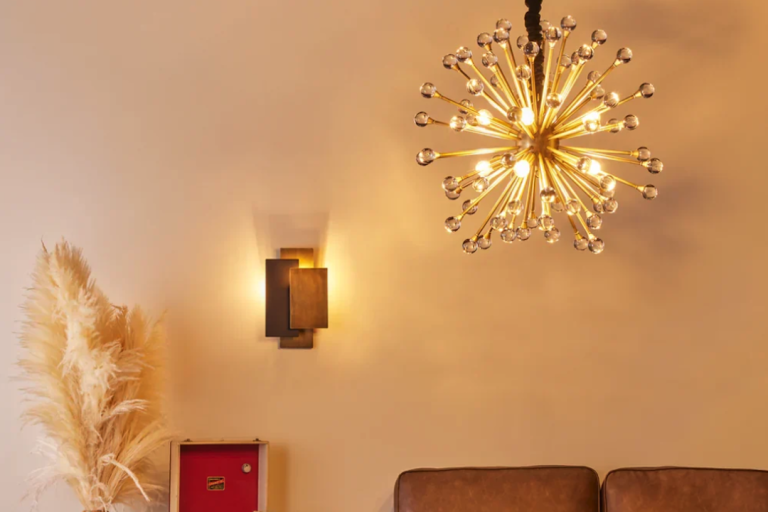
While the 70s had its own distinct style, it also pulled from other eras. We’re seeing elements of Art Deco glamour – like tiered glass or brass chandeliers – being reinterpreted. At the same time, the bohemian influence of the 70s is present in more free-form, handcrafted-looking pendants, sometimes with fringe or woven elements. It’s a mix-and-match approach that celebrates individuality.
Smoked and Colored Glass
Beyond just clear or milky glass, smoked glass, and subtly colored glass (think amber, olive green, or even blush pink) are being used for shades and globes. These add a layer of sophistication and warmth to the light, creating a specific ambiance rather than just bright illumination. It’s about setting a mood.
Integrating Seventies Lighting into Modern Spaces
So, how do you incorporate these trends without your home looking like a time capsule? The key is thoughtful integration.
Mix and Match Eras
The most effective way to use 70s-inspired lighting is to blend it with contemporary furniture and other design elements. A rattan pendant can look incredibly chic in a minimalist living room, providing a warm contrast to sleek lines. A mushroom lamp might sit perfectly on a modern credenza. The juxtaposition creates visual interest.
Focus on Texture and Warmth
Use 70s lighting to introduce texture and warmth to a room. If your space feels a bit cold or sterile, a ceramic lamp base or a rattan pendant can instantly soften it. Think about how the light interacts with the materials – the way light diffuses through cane or reflects off a glazed ceramic surface. It’s about sensory experience.
Create Zones with Lighting
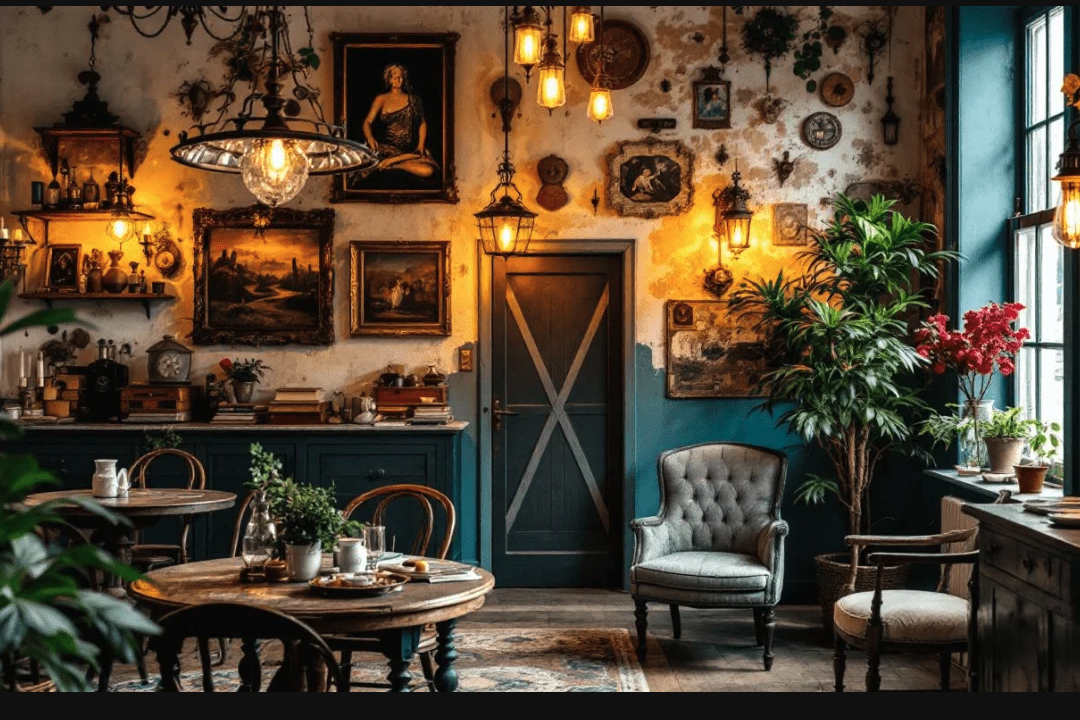
The 70s was good at creating distinct areas within larger spaces using lighting. Use an arched floor lamp to define a reading nook, or a cluster of pendants over a dining area to make it feel more intimate. Different light sources at varying heights and intensities can make a room feel layered and inviting.
Don’t Overdo It
As with any trend, moderation is key. You don’t need every light fixture in your home to scream “70s.” Choose a few key pieces that resonate with your personal style and integrate them mindfully. One statement pendant or a couple of well-placed table lamps can make a big impact without overwhelming the space. It’s about subtle nods, not an overhaul.
Where to Find These Styles
Luckily, you don’t need to scour vintage shops exclusively, though those can be treasure troves. Many contemporary retailers are offering updated versions of these classic looks.
Contemporary Brands
Designers and brands are acutely aware of these trending styles. You’ll find new collections that draw heavily on 70s aesthetics, often with improved LED technology and modern finishes. Look at both high-end design houses and more accessible home furnishing stores; they’re all embracing these looks in various forms.
Vintage and Secondhand Shops
If you’re keen on authenticity and love a good hunt, vintage shops, flea markets, and online marketplaces (like Etsy or eBay) can yield some incredible finds. Original 70s fixtures, if well-maintained, can be real statement pieces. Just be sure to have any vintage electrical wiring checked by a professional for safety.
Artisan and Handcrafted Goods
Given the emphasis on natural materials and craftsmanship, many independent artisans are creating beautiful, unique pieces inspired by this era. Supporting these makers can give your home a truly one-of-a-kind feel.
In conclusion, seventies lighting trends are definitely making a comeback in 2021, but in a sophisticated and updated manner. It’s less about strict replication and more about drawing inspiration from the warmth, organic forms, and natural materials that defined the era. By selectively incorporating these elements, you can add a comfortable, inviting, and stylish touch to your modern home. It’s a fun and approachable way to infuse some personality and a bit of history into your space.