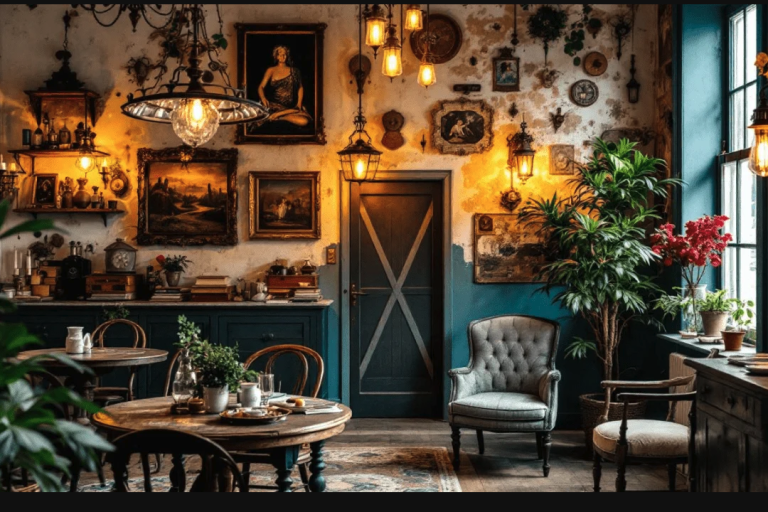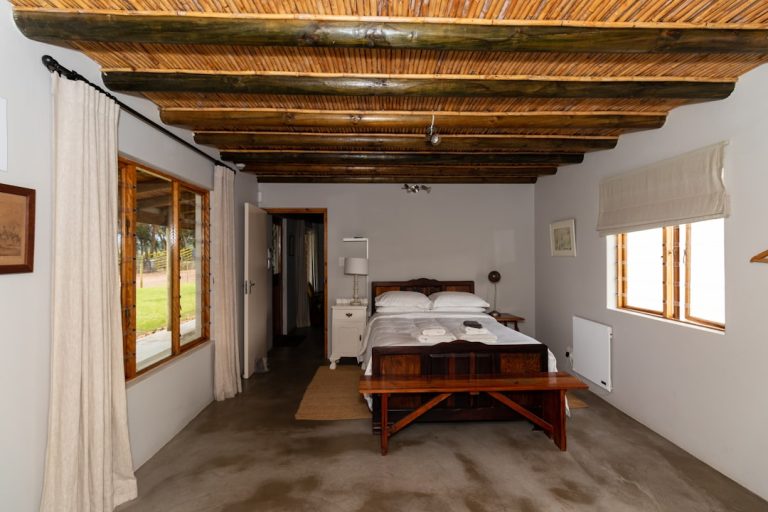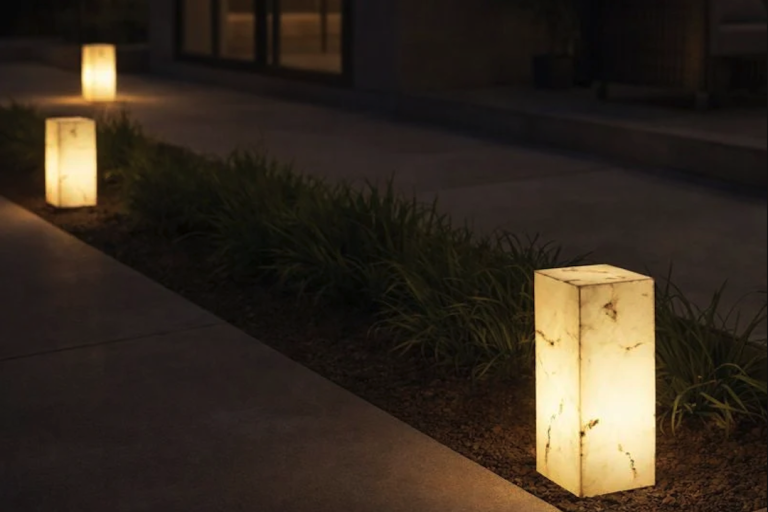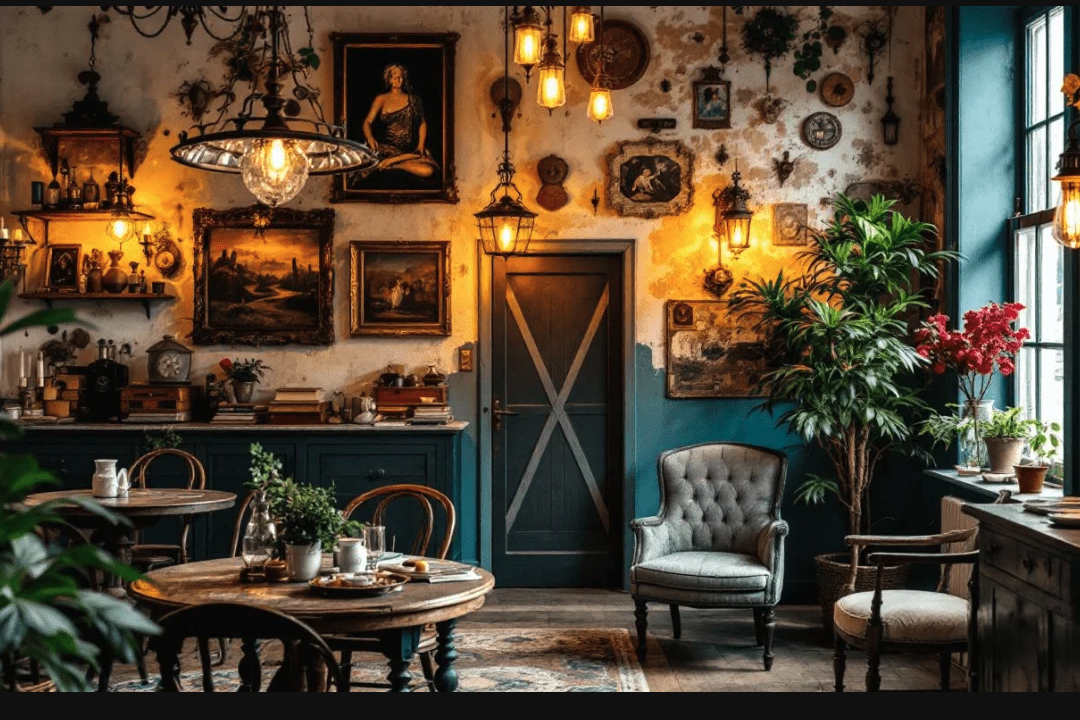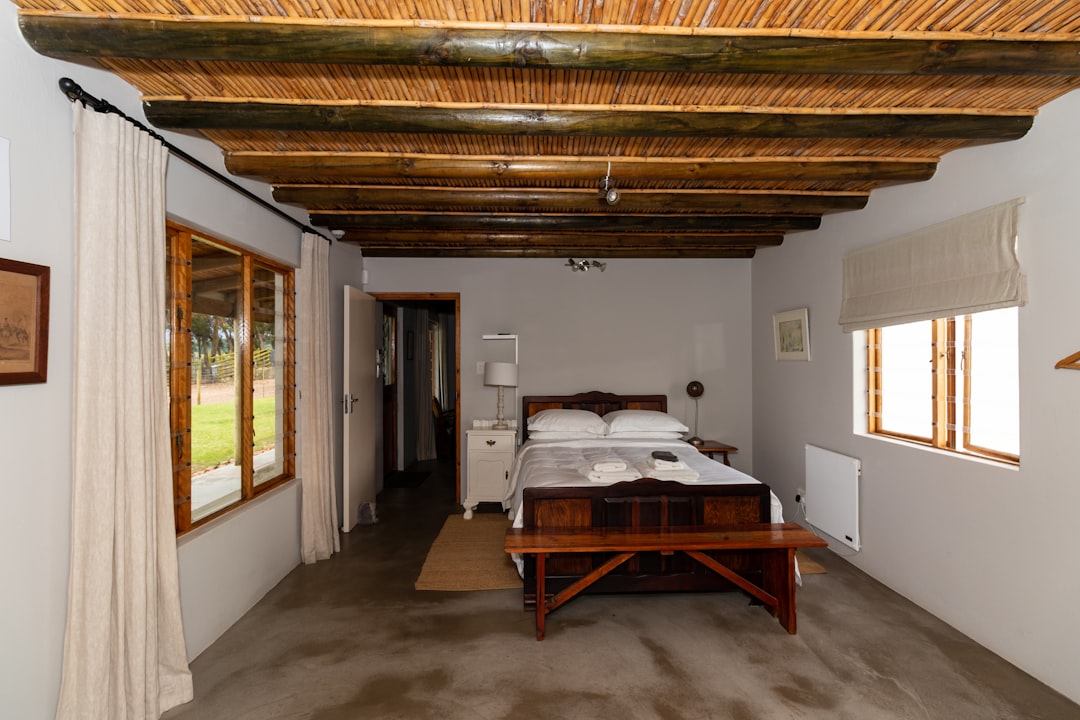
So, you’ve got a room where a sleek, modern sofa cozies up to a beloved antique armchair, and maybe a rustic farmhouse table anchors the whole thing. It’s a look many of us naturally gravitate toward – a personal blend of pieces we love rather than a rigid adherence to one style. But then comes the lighting. How do you illuminate a space that defies easy categorization? The short answer: transitional lighting.
Transitional lighting is your best friend in these mixed-style rooms. It’s essentially a bridge between traditional and contemporary design, offering clean lines and classic forms without being overly ornate or aggressively minimalist. Think of it as the versatile chameleon of the lighting world, able to adapt and enhance a variety of aesthetics without clashing. It’s not about making everything match perfectly, but about creating harmony and visual flow, ensuring your diverse furniture collection feels cohesive and well-considered, rather than a random assortment.
Transitional lighting isn’t a new concept, but its relevance has grown exponentially as homeowners embrace more personalized, eclectic interiors. It’s all about balance and thoughtful integration.
What Makes it “Transitional”?
Essentially, it borrows elements from both worlds. You’ll often see:
- Clean lines: Less fussy than traditional, but not as stark as ultra-modern. Think gentle curves or straightforward geometric shapes.
- Classic finishes: Brushed nickel, oil-rubbed bronze, matte black, or even polished chrome are common. These aren’t overly decorative but have a timeless appeal.
- Neutral palettes: Shades of white, cream, grey, and black are prevalent in shades and bases, allowing the light fixture to complement rather than compete.
- Subtle ornamentation: Maybe a slight curve in an arm, or a simple decorative finial, but nothing elaborate or heavily carved.
- Functional elegance: It serves its purpose of illumination effectively while still looking good, without being purely decorative or overly utilitarian.
Why It Works for Mixed Rooms
In a room with mixed furniture, a lighting fixture that leans too heavily in one stylistic direction can throw off the whole balance. A highly ornate chandelier might look out of place over a minimalist dining table, just as a stark industrial pendant could feel jarring next to a plush, traditional sofa. Transitional lighting, by its very nature, avoids these pitfalls. It acts as a neutral party, offering a sense of calm and continuity. It’s the design equivalent of a well-tailored blazer – it can be dressed up or down and always looks appropriate.
Strategic Placement: More Than Just Brightness
Lighting isn’t just about turning on a switch. It’s about creating layers of light that define zones, highlight features, and set the mood. In a mixed-style room, this strategic placement becomes even more critical.
Ambient Lighting: The Foundation
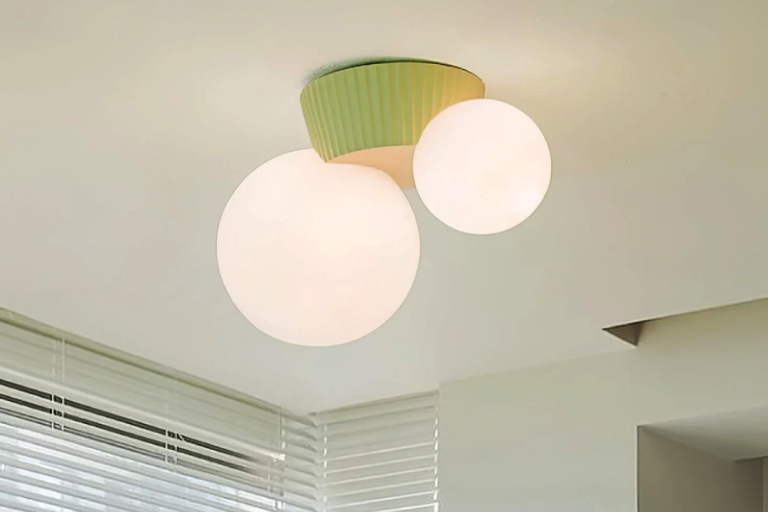
This is your general, overhead illumination. Think recessed lights, flush mounts, or semi-flush mounts, and of course, chandeliers or large pendants. For mixed rooms, select fixtures that have universal appeal.
- Flush Mounts & Semi-Flush Mounts: Great for lower ceilings. Look for designs with simple glass diffusers or metal frames in a transitional finish. They provide unobtrusive, even light.
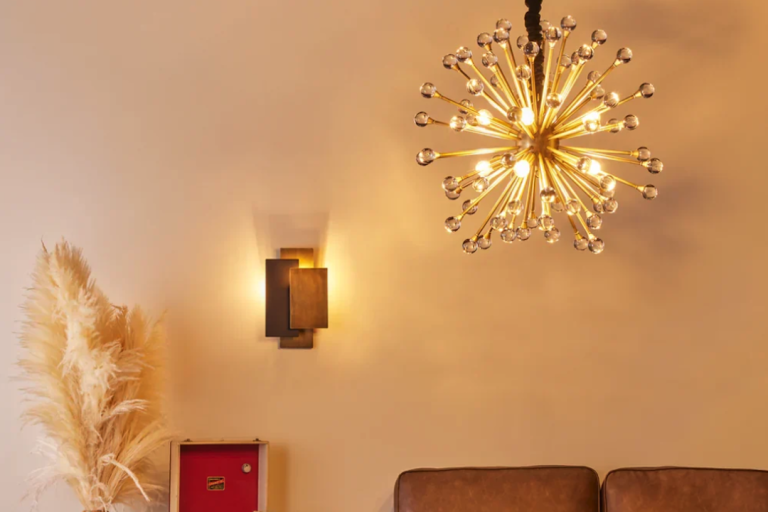
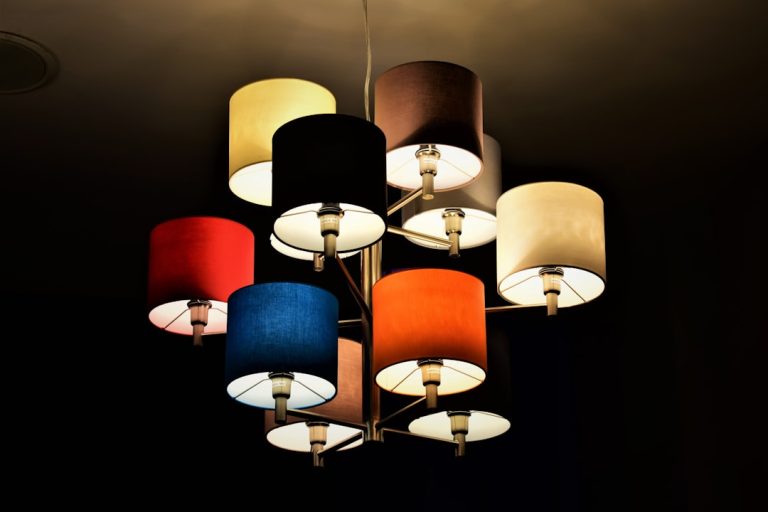
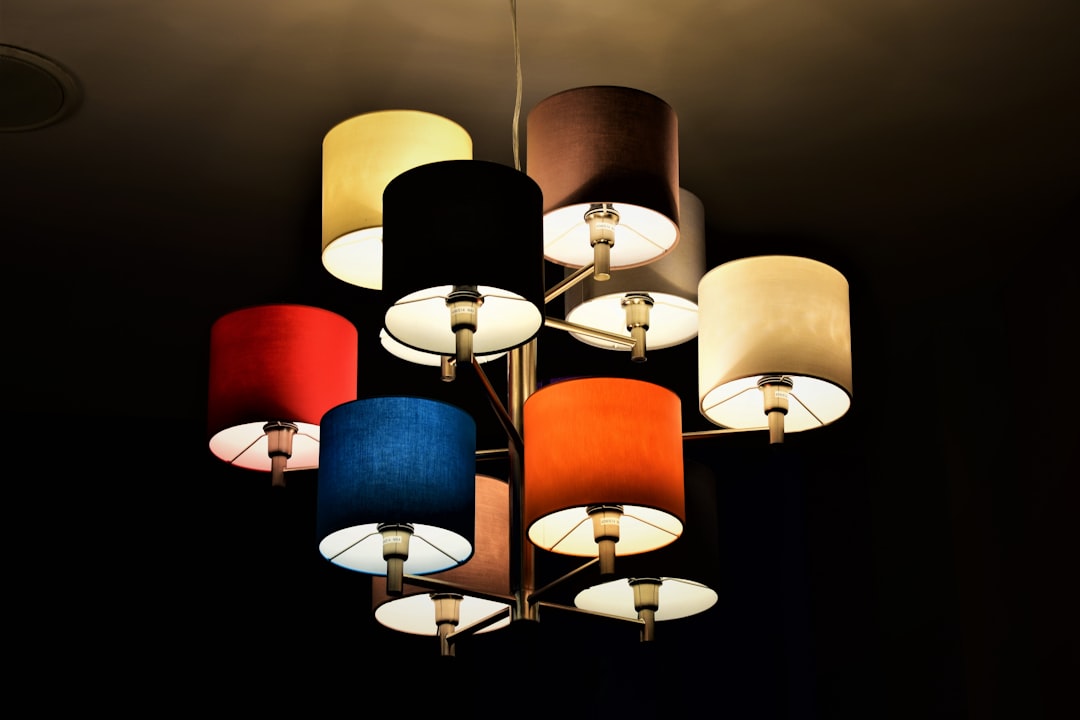
- Chandeliers & Pendants: If your ceiling height allows, these can be a statement piece. Opt for geometric shapes, tiered designs, or even drum shades in neutral fabrics. A chandelier with a classic silhouette but in a contemporary finish like brushed brass can beautifully bridge styles. For example, a chandelier with candlestick-style bulbs but a metal frame in a dark, matte finish can speak to both traditional elegance and modern simplicity.
Task Lighting: Functionality Meets Style
This is the focused light for specific activities – reading, cooking, working. It should be bright enough for the job but also blend seamlessly with the surrounding decor.
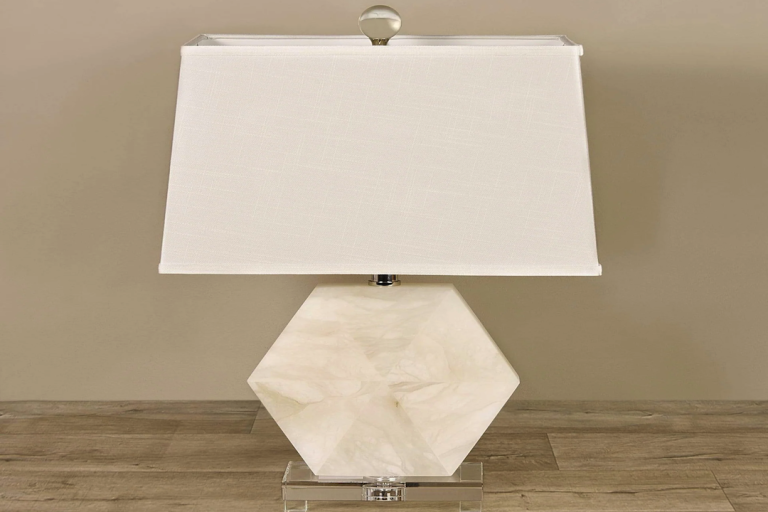
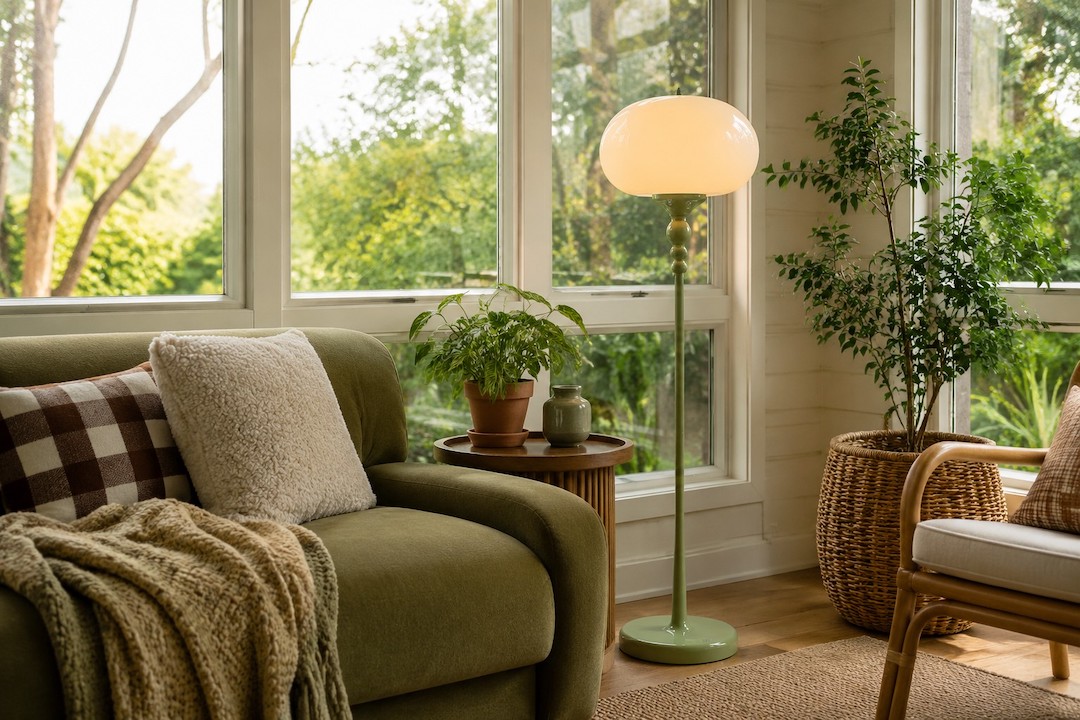
- Table Lamps: A classic choice. For mixed rooms, look for lamps with clean lines, perhaps a ceramic or metal base with a simple drum or empire shade. A lamp with a traditional urn shape in a contemporary finish like matte black or brushed steel is a perfect example.
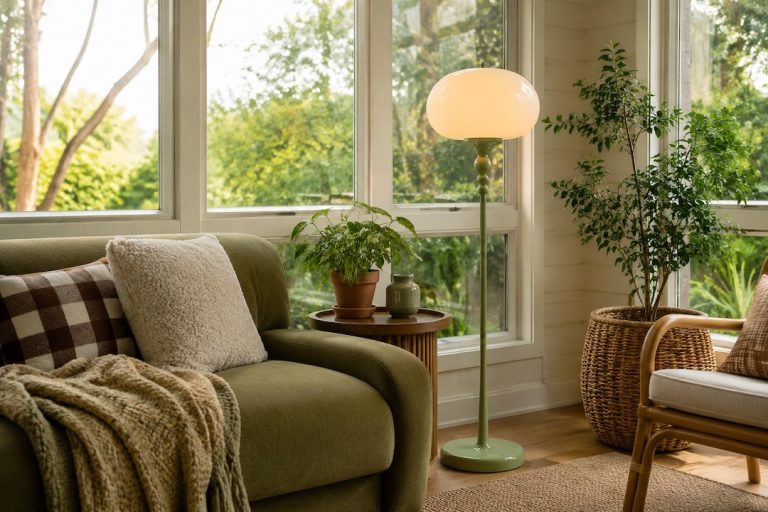
- Floor Lamps: Arc lamps can add a modern touch while providing directed light over a sofa or armchair. Alternatively, a pharmacy-style lamp offers a nod to vintage design but with a sleek, adjustable form.
- Desk Lamps: Simplicity is key here. A swing-arm lamp in a metallic finish offers both functionality and a timeless aesthetic.
Accent Lighting: The Art of Highlighting
This layer is all about drawing attention to specific features – artwork, architectural details, or unique furniture pieces. It adds depth and visual interest.
- Picture Lights: Essential for showcasing art. Choose slim, understated designs that blend into the wall or frame, allowing the art to be the star.
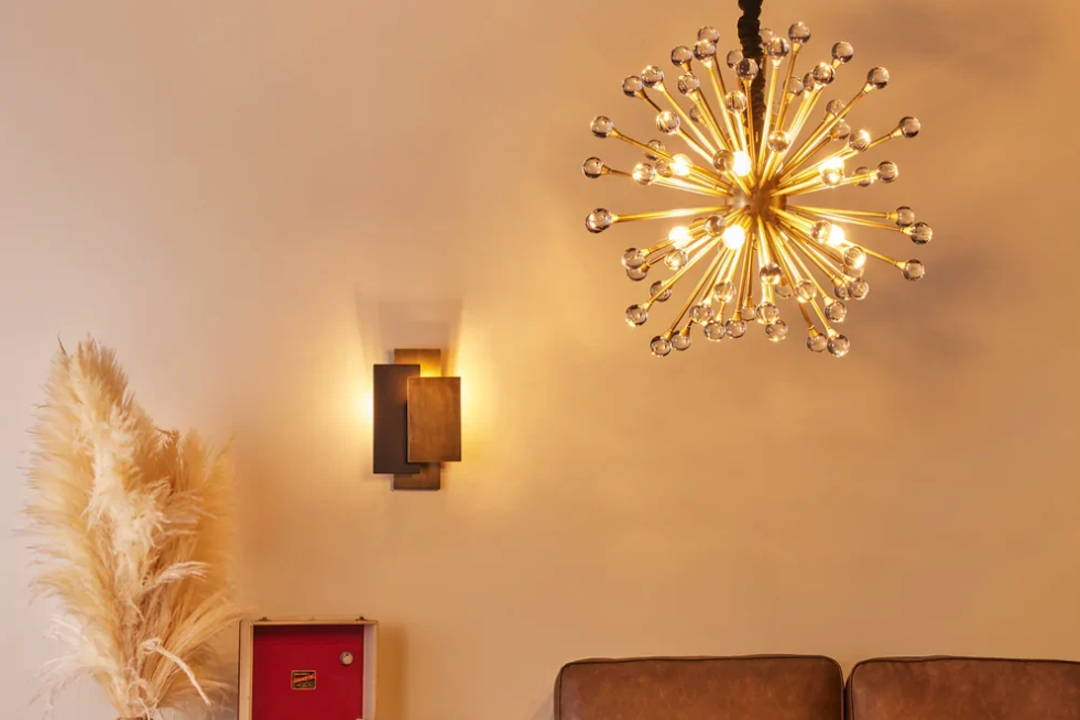
- Wall Sconces: These can flank a fireplace, mirror, or doorway, providing soft, ambient light and a decorative touch. Look for sconces with simple glass shades or fabric shades that diffuse light warmly. A sconce with a classic silhouette but in a clean, modern finish like polished nickel can seamlessly integrate into various styles.
- Track Lighting (Subtly Used): While often associated with modern spaces, well-chosen track heads in a matte finish can be surprisingly versatile when used sparingly to highlight specific areas or art.
Material & Finish Choices: The Unifying Elements
The materials and finishes of your lighting fixtures are incredibly important in a mixed-style room. They can either tie everything together or make it feel disjointed.
Metals That Bridge Styles
Certain metal finishes naturally lend themselves to a transitional aesthetic.
- Brushed Nickel: A perennial favorite, it’s understated, elegant, and reflects light beautifully without being overly shiny. It pairs well with both cool and warm color palettes.
- Oil-Rubbed Bronze: This finish offers a rich, dark warmth that can ground a space. It has a slightly traditional feel but its muted nature allows it to work well with contemporary elements.
- Matte Black: Chic, modern, and incredibly versatile. It provides a strong contrast and can instantly update a more traditional piece of furniture, or add an edgy touch to a softer contemporary item.
- Polished Chrome (Used Sparingly): While it can lean modern, in simpler designs, polished chrome can add a touch of classic sophistication, especially when paired with glass elements.
- Brushed Brass/Champagne Bronze: These warmer metallic finishes have made a big comeback. They offer a touch of classic elegance but feel fresh and contemporary. They can beautifully complement both rich, traditional wood tones and modern, upholstered pieces.
Shade Materials & Textures
The shade of a light fixture significantly impacts its overall feel and the quality of light.
- Fabric Shades: Linen, cotton, or even raw silk in neutral colors (white, cream, grey) offer a soft, diffused light and a classic, approachable look. A drum shade is particularly versatile.
- Glass Shades: Clear, frosted, or seeded glass can work. Frosted glass diffuses light evenly, while clear glass can highlight a decorative bulb. Seeded glass adds a touch of vintage charm without being overly traditional.
- Metal Shades: While often associated with industrial styles, simple conical or dome-shaped metal shades in transitional finishes can provide focused downlight and a clean aesthetic.
Curating Your Collection: Less Is Often More
In a room with diverse furniture, it’s easy to overcomplicate the lighting. Resist the urge to have every light fixture be a “statement piece.” Instead, think about creating a cohesive narrative.
The “One Statement, Many Supporters” Approach
Choose one primary light fixture (often a chandelier or large pendant) that can act as a focal point. This piece can lean slightly more towards one style you favor, but should still have those transitional qualities. All other lighting in the room should then play a supporting role, complementing the main fixture without competing.
- Example: A large, geometric chandelier in a brushed brass finish over a dining table. Pair it with simple table lamps with neutral fabric shades and sleek wall sconces in a matching or complementary finish. The consistency in finish and overall simplicity of the supporting lights allows the main chandelier to shine without the room feeling visually chaotic.
Repetition of Elements
Even in a mixed-style room, repeating certain elements in your lighting can create a sense of order.
- Repeat a Finish: If your main chandelier is brushed nickel, try to use brushed nickel for your table lamp bases or sconce hardware.
- Repeat a Shape: If you have a square coffee table, perhaps a rectangular pendant or table lamp base could subtly echo that shape.
- Repeat a Material: If you have natural wood elements in your furniture, perhaps a lamp with a wooden base or a shade with a linen texture could tie in.
Practical Considerations for Installation & Control
Beyond aesthetics, the practical aspects of lighting are crucial, especially in spaces with varied uses.
Dimmer Switches are Non-Negotiable
This is perhaps the most important practical tip for any room, but especially for mixed-style spaces that need to adapt to different moods and functions. A dimmer switch allows you to seamlessly transition from bright, functional light for cleaning or working, to soft, ambient light for relaxing or entertaining. It’s the easiest way to control the atmosphere and make your lighting truly versatile.
Bulb Temperature Matters
The “color” of your light can dramatically affect the perception of your room.
- Warm White (2700K-3000K): This is generally preferred for living areas and bedrooms, as it creates a cozy, inviting atmosphere. It works well with traditional and warmer contemporary palettes.
- Cool White (3500K-4000K): Often used in kitchens, bathrooms, or home offices, where a brighter, more focused light is desired. If your mixed room includes a workspace, you might consider fixtures that can accommodate this or have separate task lighting with cooler bulbs.
- Avoid Mixed Temperatures: Try to keep the bulb temperatures consistent within a single room to avoid a disjointed look. If you have different temperature needs, ensure they are in distinct zones or provided by very specific task lights.
Consider Smart Lighting
For ultimate flexibility, smart bulbs and smart dimmers can be a game-changer. You can control individual fixtures or groups, change color temperature on the fly, and even program scenes for different activities. This can be particularly useful in a room that serves multiple functions throughout the day.
Conclusion: Creating Harmonious Illumination
Blending furniture styles is a beautiful way to create a unique, personal space. Transitional lighting is the unsung hero in this equation, providing the subtle, sophisticated illumination that ties everything together. By focusing on clean lines, versatile finishes, strategic layering, and thoughtful material choices, you can ensure your diverse furniture collection is not just lit, but beautifully highlighted and unified, creating a cohesive and inviting environment that truly feels like home. It’s about making smart, informed choices that elevate your space without sacrificing your personal style.