So, you’re wondering how to weave vintage lighting into your modern home without it feeling like a dusty museum exhibit? The trick is to focus on original, iconic designs that have transcended fleeting trends. These aren’t just old lamps; they’re pieces of design history that bring character, warmth, and a touch of unexpected style to contemporary spaces. Think of it less as “going vintage” and more about incorporating design classics.
Why Original Vintage Lighting?
Sure, you can buy reproductions, and some are pretty good. But there’s a certain charm, a story, and an undeniable quality to original vintage pieces that reproductions often miss. They carry the patina of time, the marks of genuine craftsmanship, and the satisfaction of owning something truly unique. Plus, in an age of mass-produced everything, an original vintage light Drauk fixture stands out. It’s also a more sustainable choice, giving new life to existing objects rather than contributing to new production.
Mid-Century Modern Marvels
When we talk about timeless vintage lighting, Mid-Century Modern is often the first place our minds go, and for good reason. This era (roughly 1933 to 1965) was a powerhouse of innovation in design, and lighting was no exception.
Iconic Shapes and Materials
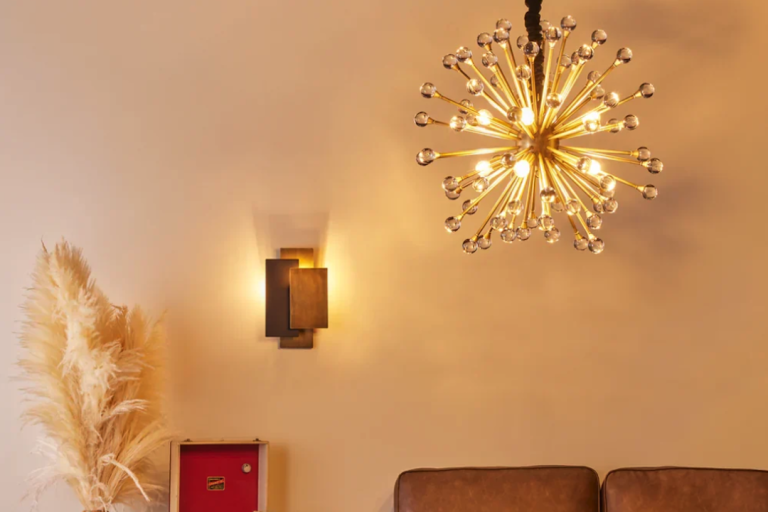
Mid-Century Modern lighting is characterized by its clean lines, organic shapes, and often a playful experimentation with materials. Think Sputnik chandeliers, arc lamps, and tripod floor lamps. Materials like brass, teak, frosted glass, and even enameled metal were common. These pieces often feature a sculptural quality, making them more than just light sources – they’re works of art.
Notable Designers and Their Creations
- Poul Henningsen (PH Lamps): His layered shade designs, like the iconic PH Artichoke or PH 5, are masters of glare-free illumination and incredible aesthetics. Their complex yet harmonious forms are instantly recognizable.
- Achille and Pier Giacomo Castiglioni (Arco Lamp): This cantilevered floor lamp is a testament to innovative design, bringing overhead light without requiring ceiling installation. Its Carrara marble base and adjustable arc make it a functional sculpture.
- Isamu Noguchi (Akari Light Sculptures): These delicate paper lanterns blend traditional Japanese craftsmanship with modern sensibilities. They emit a soft, diffused glow that creates a serene atmosphere, and their lightweight nature makes them surprisingly versatile.
- Serge Mouille (Three-Arm Floor Lamp): Mouille’s insect-like forms with their articulated arms are both elegant and industrial. His lamps are incredibly versatile, allowing you to direct light precisely where needed, and their matte black finish adds a sophisticated edge.
- George Nelson (Bubble Lamps): With their distinctive spherical or ovular shapes and translucent plastic spray, these lamps provide a soft, ambient light. They’re playful yet sophisticated and fit seamlessly into various modern decors.
How to Integrate Mid-Century Pieces
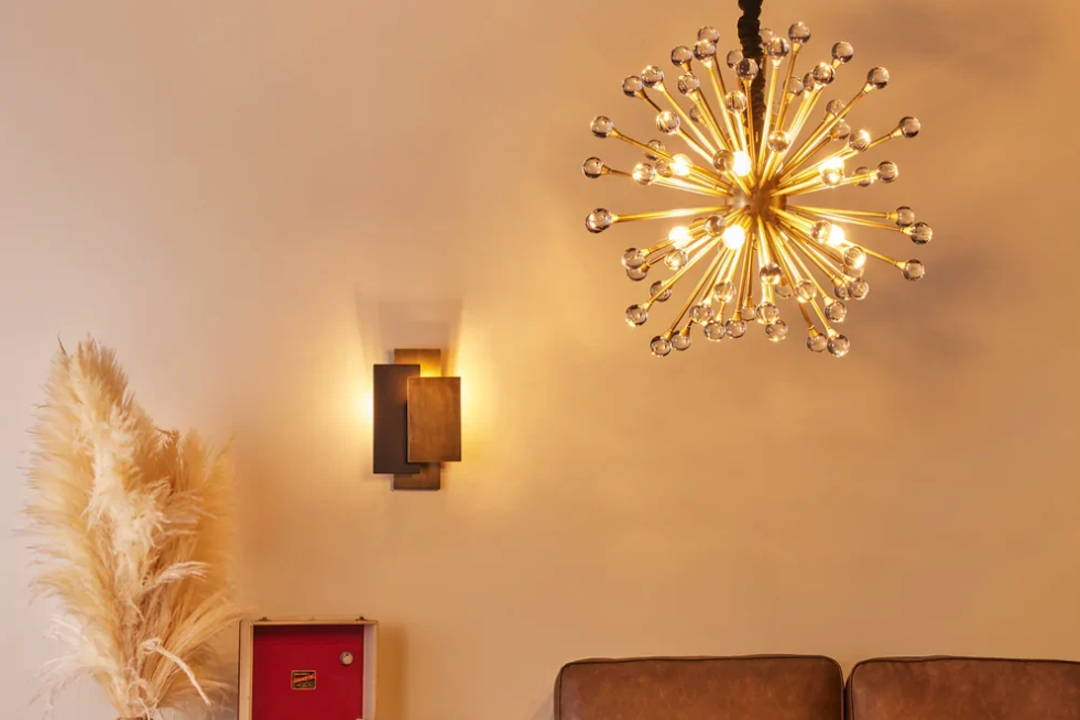
A Sputnik chandelier can be a breathtaking focal point in a modern dining room, contrasting beautifully with minimalist furniture. An Arco lamp can elegantly arc over a modern sofa, providing both task and ambient lighting. A pair of PH 5 pendants over a kitchen island add a sophisticated touch without overwhelming the space. The key is often to let these pieces be the stars, allowing their unique forms to shine against a more restrained backdrop.
Industrial Chic: Raw Beauty
Moving into a different aesthetic, industrial vintage lighting brings a sense of history, grit, and authenticity. It’s all about function meeting form, often with a utilitarian origin.
Materials and Form
Think raw metals like steel, iron, and aluminum. Exposed bulbs, cages, pulleys, and visible mechanisms are common. The forms are often robust and sturdy, designed for factories, workshops, or public spaces rather than delicate interiors. This style embraces imperfections and the beauty of wear and tear.
Examples and Their Modern Appeal
- Factory Pendants: Large, often enameled (think green, black, or white) dome or cone-shaped pendants were designed for illuminating large factory floors. In a modern kitchen or over a long dining table, they provide excellent task lighting and a strong visual statement. The chipped enamel or worn paint only adds to their character.
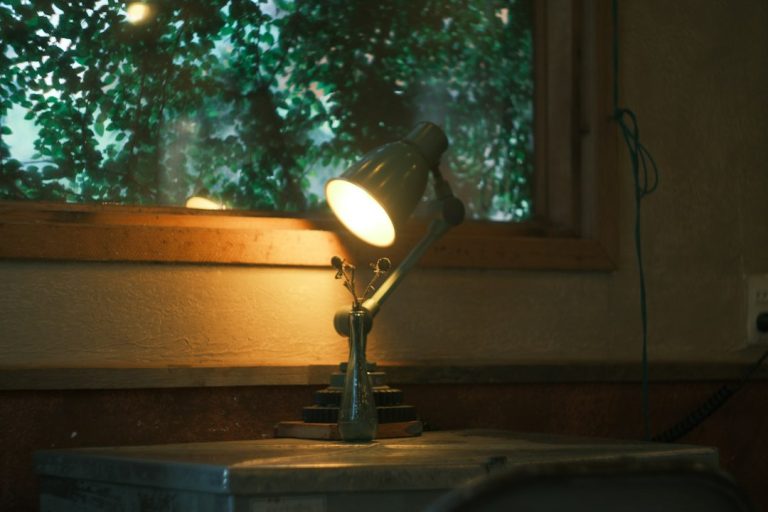
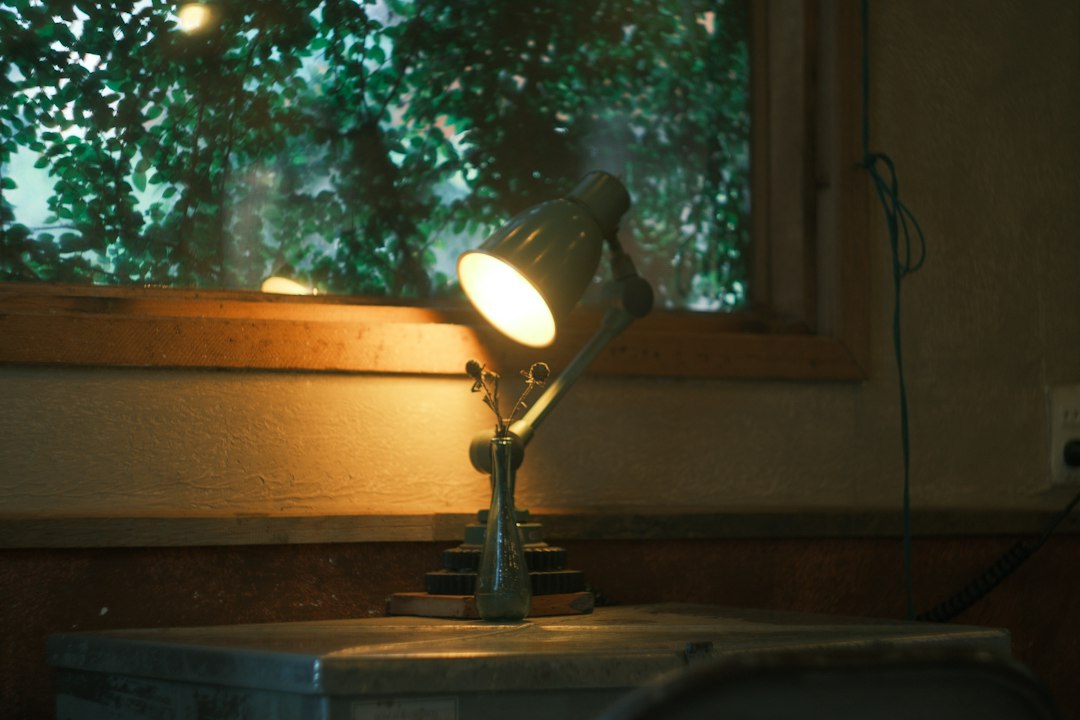
- Scissor Lamps/Accordion Sconces: These wall-mounted lamps with their extending arms were designed for workspaces. They offer incredible flexibility in directing light and add an intriguing mechanical element to a room, perfect for a reading nook or above a desk.
- Explosion-Proof Lights: Originally designed for hazardous environments, these rugged fixtures often feature thick glass and metal cages. They bring a very specific, no-nonsense aesthetic that can be surprisingly chic in a modern bathroom or entryway.
- Banker’s Lamps: With their iconic green glass shade and brass base, these desk lamps were a staple in offices. They offer a focused, warm light and a touch of old-school elegance to a home office or study.
Pairing Industrial with Contemporary
The beauty of industrial lighting is its ability to ground a very sleek, modern space. A large factory pendant can look stunning above a polished concrete island. An accordion sconce can add an unexpected edge to a minimalist bedroom. The contrast between raw industrial elements and refined contemporary finishes creates a dynamic and interesting interior. Don’t be afraid to mix metals; a steel fixture can work beautifully with warmer brass accents elsewhere in the room.
Art Deco Glamour: Opulence Reimagined
For those who lean towards more ornate and luxurious aesthetics, Art Deco lighting from the 1920s and 30s offers incredible possibilities. It’s a style synonymous with glamour, sophistication, and geometric precision.
Key Characteristics
Art Deco lighting is characterized by its geometric patterns, stepped forms, rich materials, and often a sense of upward movement. Think chrome, brass, frosted glass, Bakelite, and intricate detailing. Symmetry and repetition are often key elements, as is a focus on luxurious materials.
Design Icons and Their Enduring Allure
- “Skyscraper” Chandeliers: These multi-tiered chandeliers often feature frosted glass panels or rods arranged in a stepped, architectural fashion. They create a dramatic focal point and emit a soft, diffused light, perfect for grand entryways or formal dining rooms.
- Streamlined Sconces: Wall sconces from this era often feature chrome bases with frosted glass shades, sometimes in fan or shell shapes. They add a touch of understated elegance to hallways or bathrooms.
- “Waterfall” Chandeliers: Characterized by cascading tiers of glass crystals or rods, these chandeliers evoke a sense of movement and luxury. They are truly statement pieces that can elevate any room.
- Machine Age Lamps: While still Art Deco, these often incorporate more visible metalwork, gears, and industrial-inspired elements, albeit with a polished, luxurious finish.
Styling Art Deco in Modern Settings
Integrating Art Deco means embracing a certain level of opulence. A stunning Art Deco chandelier can be the centerpiece of a modern living room, providing a striking contrast to contemporary furniture. A pair of Art Deco sconces can bring a touch of vintage glamour to a minimalist powder room. The trick is to choose one or two key pieces and allow them to make a statement without overwhelming the space. Too many ornate elements can quickly turn glamorous into gaudy.
Scandinavian Simplicity: Light and Form
When we talk about vintage lighting, especially from the mid-20th century, Scandinavian design holds a very special place. It’s all about functionality, simplicity, and a deep appreciation for natural materials and light.
Core Principles
Scandinavian lighting design emphasizes clean lines, organic shapes, and a focus on diffuse, glare-free illumination. Designers from this region mastered the art of “hygge” through light – creating warm, inviting atmospheres. Wood (especially teak and oak), metal, and opaline glass are common materials. Color palettes tend to be muted, allowing the form and light quality to take center stage.
Famous Examples and Their Versatility
- Arne Jacobsen (AJ Lamp Series): The iconic AJ floor, table, and wall lamps from Louis Poulsen are instantly recognizable by their distinctive asymmetrical shades. They provide excellent directional light and are incredibly versatile, fitting seamlessly into various modern aesthetics.
- Verner Panton (Flowerpot Lamp, Panthella): Panton’s designs are often more playful and colorful than some of his Scandinavian contemporaries. The Flowerpot pendant, with its two opposing hemispheres, creates a beautiful, even light. The Panthella lamp, with its mushroom-like form, offers a soft, diffused glow.
- Hans-Agne Jakobsson (Pine Cone Lamp): While often attributed to Poul Henningsen, Jakobsson also produced beautiful tiered wooden veneer lamps that create a warm, dappled light, reminiscent of light filtering through trees.
- Greta Magnusson-Grossman (Grasshopper Lamp): This tripod floor lamp with its elongated, conical shade is a true icon. Its elegant, minimalist form and focused light make it perfect for reading nooks.
- Paavo Tynell (Snowflake Chandeliers): Tynell’s brass fixtures often feature intricate, delicate perforations that create beautiful light patterns. His “snowflake” chandeliers are particularly exquisite and add a touch of refined elegance.
How Scandinavian Lighting Elevates Modern Interiors
Scandinavian vintage lighting effortlessly blends into modern, minimalist, or even bohemian interiors. Their understated elegance and focus on warm, inviting light make them perfect for creating a cozy yet sophisticated atmosphere. A single PH 5 pendant above a modern dining table, or an AJ floor lamp beside a contemporary armchair, can elevate a room without demanding too much attention. They are the epitome of “less is more.”
Eclectic Touches: Mixing Eras and Styles
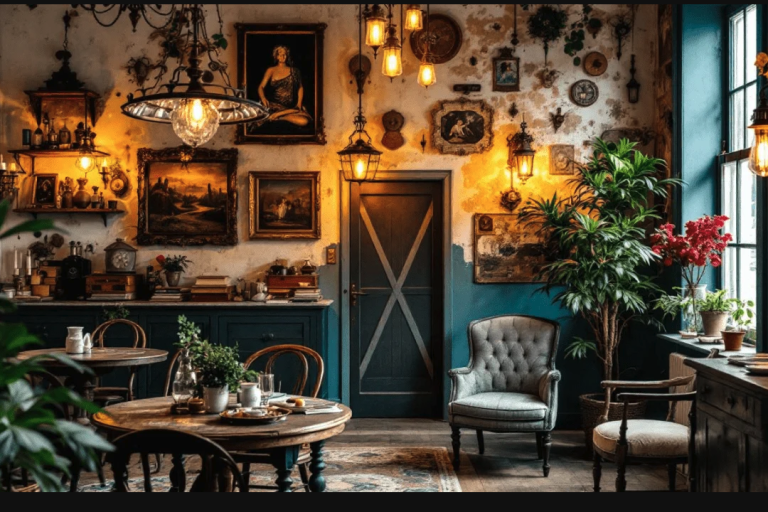
Sometimes, the most interesting modern spaces are those that don’t adhere strictly to one style. Mixing vintage lighting from different eras can create truly unique and personalized interiors.
The Art of Curating
This isn’t about throwing everything together. It’s about careful selection and balance. Think about contrasting shapes, materials, or even historical periods. A sleek Mid-Century arc lamp can coexist beautifully with an industrial factory pendant, especially if they share a common metallic finish or a complementary color.
Creating Visual Interest
Imagine an Art Deco wall sconce in a hallway leading to a living room with a Scandinavian pendant. Or a rugged industrial task lamp on a desk in a room where the overhead lighting is a refined Mid-Century chandelier. These juxtapositions create visual tension and make a room feel lived-in and thoughtfully curated rather than perfectly staged.
Practical Tips for Mixing
- Find a Common Thread: Even with different styles, try to find a common element. This could be a material (e.g., brass accents in several fixtures), a color palette (e.g., all fixtures in muted tones), or a design philosophy (e.g., all fixtures emphasizing functional design).
- Balance Scale: Ensure the different fixtures are appropriately scaled for their locations and for each other. You don’t want a massive industrial pendant dwarfing a delicate Art Deco sconce in the same line of sight unless it’s a deliberate, impactful choice.
- Trust Your Eye: Ultimately, what looks good together is subjective. If it feels right and creates the atmosphere you’re after, then you’ve nailed it. Don’t be afraid to experiment and move things around until you find the perfect balance.
A Few Practical Considerations
Before you dive headfirst into the world of vintage lighting, there are a few practicalities to keep in mind.
Electrical Safety First
Older wiring can be a concern. Always have a qualified electrician inspect any vintage fixture before installation. They can check the wiring, replace outdated components, and ensure it meets modern safety standards. This is not an area to cut corners.
Bulb Compatibility
Many older fixtures were designed for incandescent bulbs. With the rise of LEDs, you’ll want to ensure your chosen bulbs fit the socket type and provide the desired light output and color temperature. Most vintage fixtures can accommodate LED bulbs, but it’s worth double-checking.
Authenticity vs. Reproduction
While this article focuses on original designs, sometimes an authentic piece is out of reach due to rarity or cost. High-quality reproductions can be a good alternative, especially if they are officially licensed or from reputable manufacturers who respect the original design intent. However, be wary of cheap knock-offs.
Where to Find Them
Online marketplaces (like 1stDibs, Chairish, Etsy), antique shops, flea markets, and specialized vintage lighting dealers are all great places to hunt. Keep an eye out when traveling, too! The thrill of the hunt is part of the fun.
Condition and Patina
An original vintage piece will rarely be “perfect.” Expect minor scratches, dings, or a natural patina. Often, these imperfections add to the character and story of the piece. Decide what level of wear you’re comfortable with. A professional restorer can often work wonders if a piece needs a bit more love.
Integrating timeless vintage lighting into your modern home isn’t just about adding a light source; it’s about investing in a piece of design history, adding character and warmth, and creating a space that feels uniquely yours. By choosing iconic original designs, you’re ensuring your lighting choices will stand the test of time, just like the fixtures themselves.